
The Story
Why it exists.
The beginning
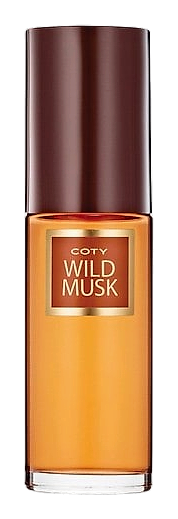
Wild Musk arrived in 1972, when musk fragrances were gaining momentum in America. Coty's approach was simple: take the animalic warmth of natural musk, soften it with vanilla and white florals, and create something intimate rather than overpowering. The goal was a scent that felt close to the skin, personal rather than projected. At an accessible price point, it became a staple for women who wanted warmth without aggression, sweetness without cloying. Four notes, essentially, doing exactly what they need to do.
What makes Wild Musk unusual is its restraint. Most musk fragrances of the era leaned into projection, they wanted to be noticed. This one wanted to be worn. The jasmine and rose don't compete for attention; they arrive quietly, supporting the musk rather than overshadowing it. The vanilla adds warmth without sweetness overload. The result is a fragrance that smells like skin, like closeness, like something private. It's not trying to announce itself. It's trying to be remembered.
The evolution
Wild Musk opens with a brief floral moment, jasmine and rose arriving together, soft and unpretentious. Within minutes, the musk takes over, but it's not the sharp, animalic musk some fear. It's warm, almost creamy, with the vanilla adding a soft sweetness that keeps everything grounded. The drydown is where it lives: a powdery cloud that stays close to the skin for 4-6 hours, intimate and understated. On some skin, it fades faster; on others, it lingers like a memory. The sillage is moderate, you'll smell it, the person next to you might catch a hint. It's the fragrance you wear when you want to be remembered by the person you're close to, not the room you just left.
Cultural impact
Wild Musk occupies a specific niche: the affordable classic that outlasted its era. Released in 1972, it found its real audience in the 1980s, when it was sold in drugstores and truck stops across America. The fragrance still has fans, people who remember it from childhood, or discovered it as a budget musk option. It's often compared to Jovan Musk, another affordable classic, but Wild Musk has more animalic warmth. In the context of Coty's heritage, it's a quiet success story: not a blockbuster like Chypre, but a scent that found its audience and stayed with them.