
The Story
Why it exists.
The beginning
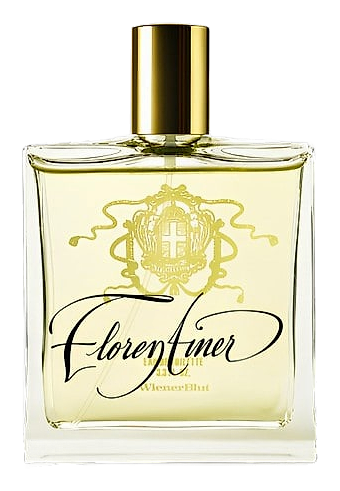
Florentiner takes its name from the Florentine, the people of Florence, yes, but more precisely the title carried by the Habsburgs when they ruled Tuscany. Pierre-Constantin Guéros built this fragrance around a specific tension: what if you could bottle the warmth of an Italian evening, the kind where the heat finally breaks and the air smells like herbs and stone? The result isn't a Mediterranean fragrance. It's what a Viennese noble might have imagined after visiting Florence, a memory of that experience translated into scent for a contemporary nose. The composition balances that southern warmth with a cooler northern sensibility, creating something that feels both familiar and surprising.
What makes Florentiner unusual is the heart. Where most citrus-forward compositions rush toward wood or musk, this one lingers in green territory. The green tea note acts as a bridge between the sparkling opening and the warmer base, keeping the composition from tipping into either/or: not quite fresh, not quite warm. The ylang-ylang adds a floral sweetness that feels earned rather than grafted on. And the oakmoss, mentioned in early descriptions, gives just enough classical structure to remind you this was made by someone who studied the archives.
The evolution
The opening hits immediately, bergamot and ginger, bright and almost aggressive. The petitgrain and rosemary arrive, softening the citrus into something herbal and familiar. The first phase is clean and green, Mediterranean in spirit. Then the cedar and ylang-ylang begin to emerge, and the fragrance shifts from daytime to evening. The base is where Florentiner earns its reputation. Vetiver and labdanum create a dry, slightly smoky warmth that lingers on fabric long after the skin scent fades. The sillage is moderate and present without announcing itself, the kind of fragrance you catch yourself thinking about hours after you've applied it. It wears close to the skin in its later stages, intimate and refined.
Cultural impact
Florentiner occupies an unusual position in the niche fragrance landscape. It helped establish WienerBlut's reputation for scholarly rigor, fragrances that feel like they were made by someone who actually read the archives. Though discontinued, it remains well-regarded among collectors who appreciate its restraint: a citrus-aromatic composition that doesn't perform for applause. The fragrance has been compared to classical colognes and early 20th-century chypres, though it carves its own territory with that green tea heart and the dry vetiver base.