Pimento Leaf
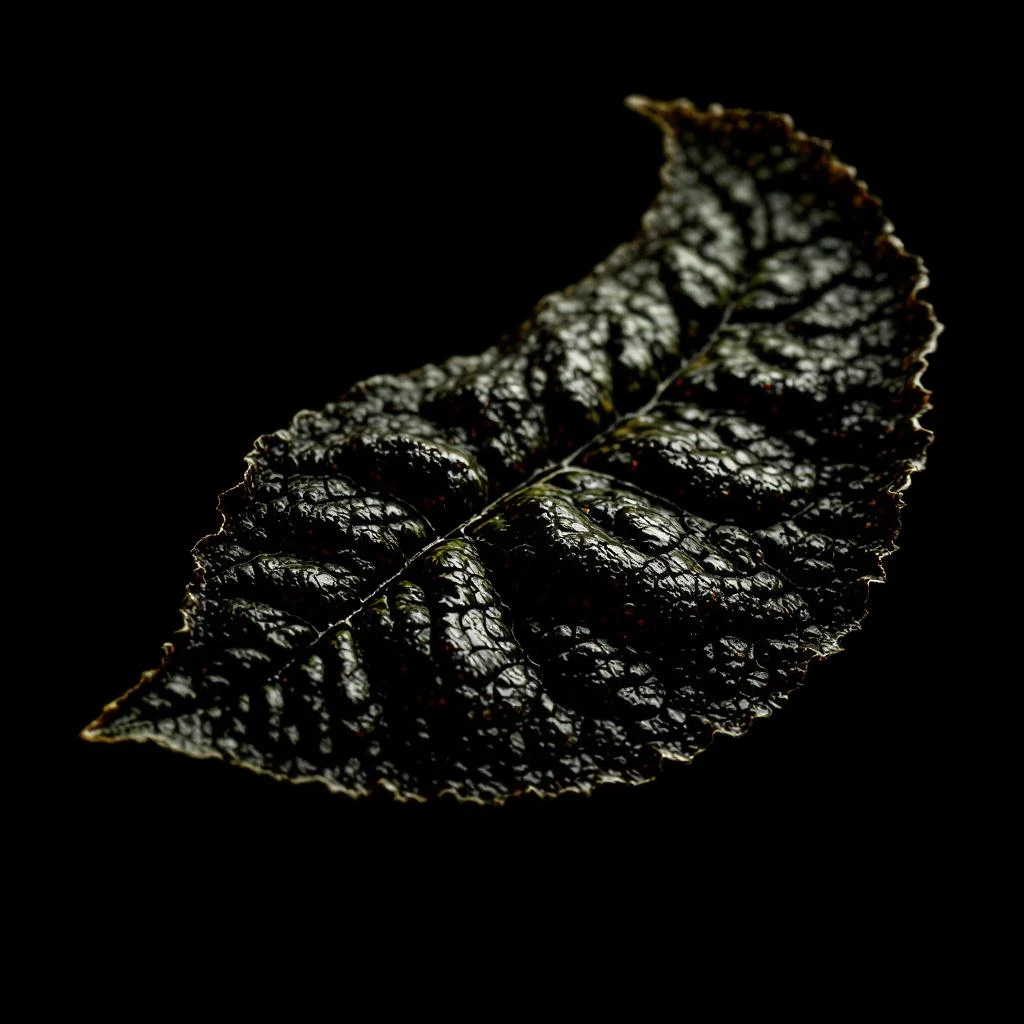
From the glossy, evergreen foliage of the Caribbean allspice tree, pimento leaf oil distills a singular sensation: the heat of cloves, the sweetness of cinnamon, and the warmth of nutmeg, all at once. Few botanical materials carry such dimensional warmth in a single extract.
Character
How it smells
One leaf. Every warm spice you need.
The same tree that yields allspice berries also supplies its leaves for oil, though the foliage remains harvested year-round while berries are seasonal.








Origin
Jamaica
Native to Jamaica and the Greater Antilles, the allspice tree was encountered by Spanish colonists in the sixteenth century who named it "pimiento," the Spanish word for pepper. The English later coined the name "allspice," recognizing how one small berry somehow tasted of cinnamon, nutmeg, and clove simultaneously. Pimento leaf, however, remained a secondary discovery.
Early European apothecaries prized the leaves alongside the berries, using them in remedies and preserving them in spirits. Jamaica dominated global allspice production for centuries, and the island's name became synonymous with the spice. The essential oil from the leaves gained commercial importance later, once steam distillation made extraction practical.
Today, Jamaica remains the spiritual and commercial heartland of pimento leaf oil, even as the tree now grows in India, Brazil, and other tropical regions.
Wears it best
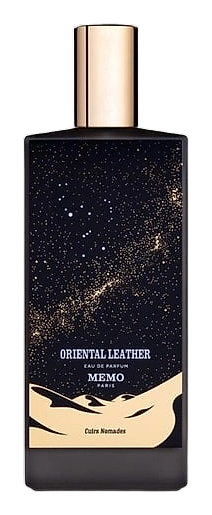
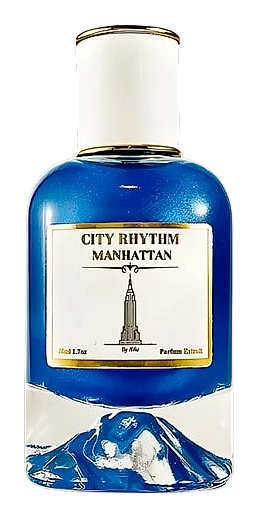
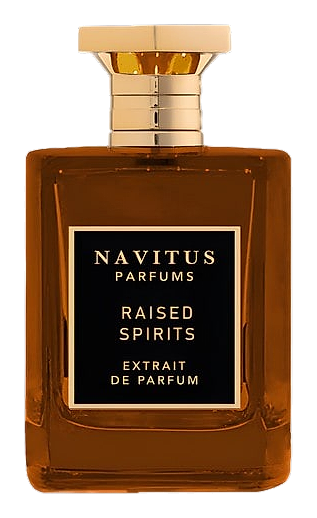
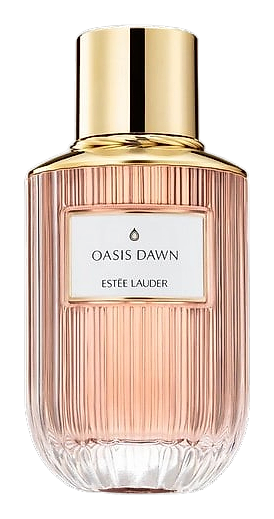
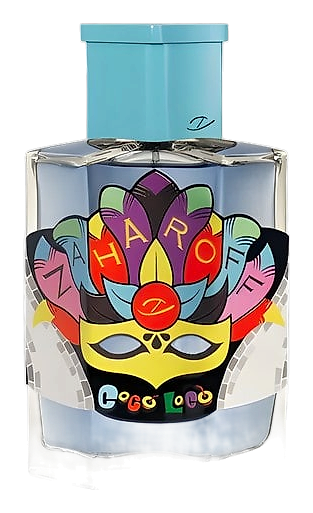
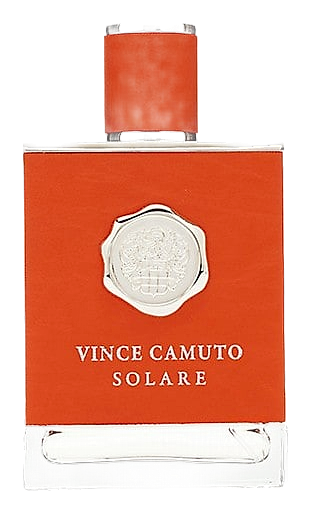
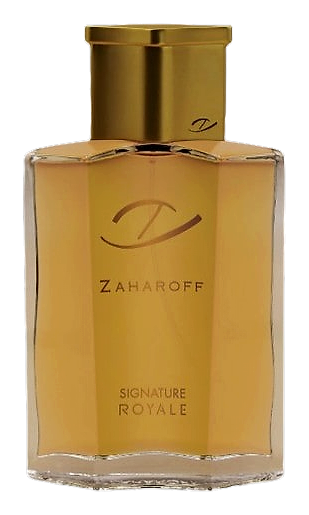
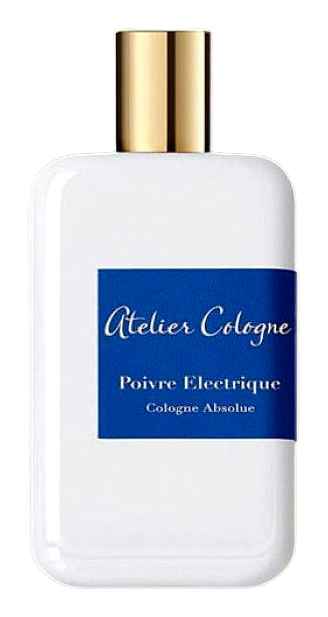
Fragrances featuring Pimento Leaf


![Kinetic [--:-- GMT] by TUMI](https://pkjcevljwhrjwpswgpkp.supabase.co/storage/v1/object/public/fragrance-images/bottles/tumi/kinetic-gmt.png)
Brands
Brands known for Pimento Leaf
Good to know
Questions, answered
The essentials on Pimento Leaf in perfumery: how it smells, where it comes from, and how it behaves on skin.
What does pimento leaf smell like?
Pimento leaf oil smells warm, spicy, and multidimensional. It combines the heat of clove, the sweetness of cinnamon, and the subtle nuttiness of nutmeg into a single, coherent aroma that perfumers often describe as allspice in leaf form.
What type of fragrance accord is pimento leaf used in?
Pimento leaf functions as a spicy heart note. It adds warmth, depth, and a natural heat to oriental accords, woody compositions, and aromatic chypres. It performs especially well in men's fragrances and autumnal scent profiles.
Is pimento leaf oil natural or synthetic?
Pimento leaf oil is a fully natural ingredient. It is extracted via steam distillation from the leaves and twigs of Pimenta dioica, grown primarily in Jamaica and the Caribbean. It meets EU Natural and US Natural compliance standards.
Does pimento leaf oil contain allergens?
Pimento leaf oil contains eugenol, which is a regulated fragrance allergen under EU cosmetics law. Allergen documentation is available for compliance purposes, and usage levels should follow IFRA guidelines for finished product formulations.
What is the flash point of pimento leaf oil?
Pimento leaf oil has a flash point of 212 degrees Fahrenheit (100 degrees Celsius). This classifies it as Combustible, requiring standard storage precautions away from open flame and high heat sources.
Can pimento leaf oil be used in food and flavor applications?
Yes. Pimento leaf oil carries FEMA GRAS status and is listed for food-grade applications. It may be used as a flavoring ingredient in culinary contexts and meets Kosher and Halal compliance requirements.
How long does pimento leaf oil last in storage?
Pimento leaf oil maintains quality for 36 months when stored in tightly sealed containers, protected from light and heat. Exposure to air accelerates oxidation, which can degrade its aromatic character over time.
What blends well with pimento leaf oil?
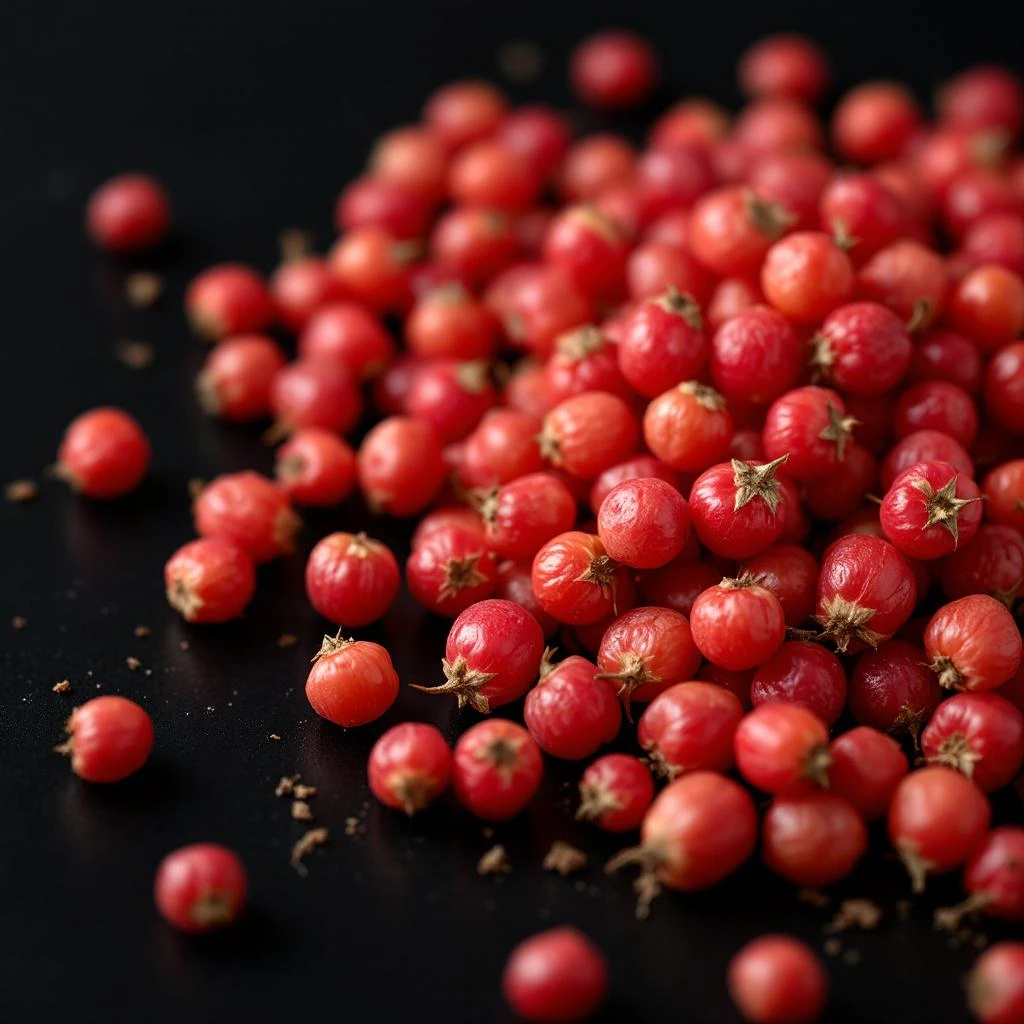
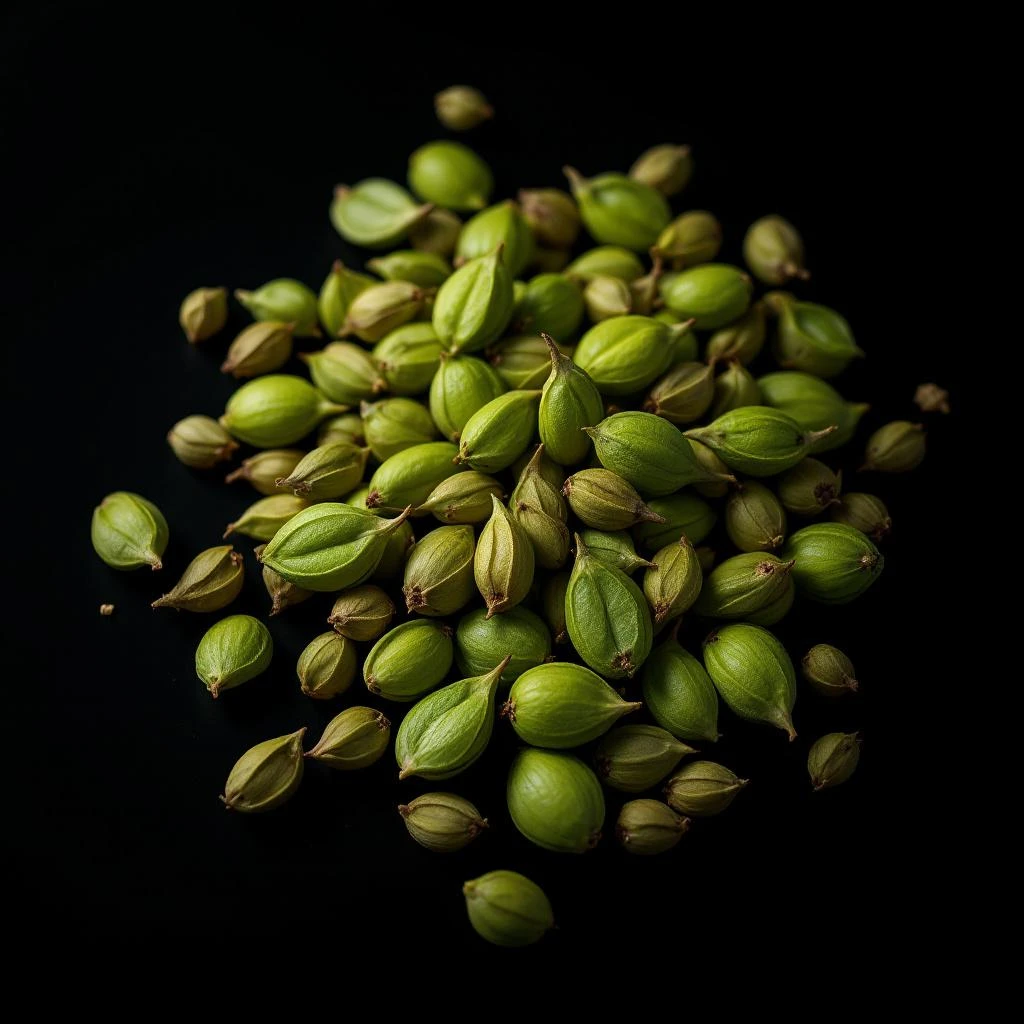
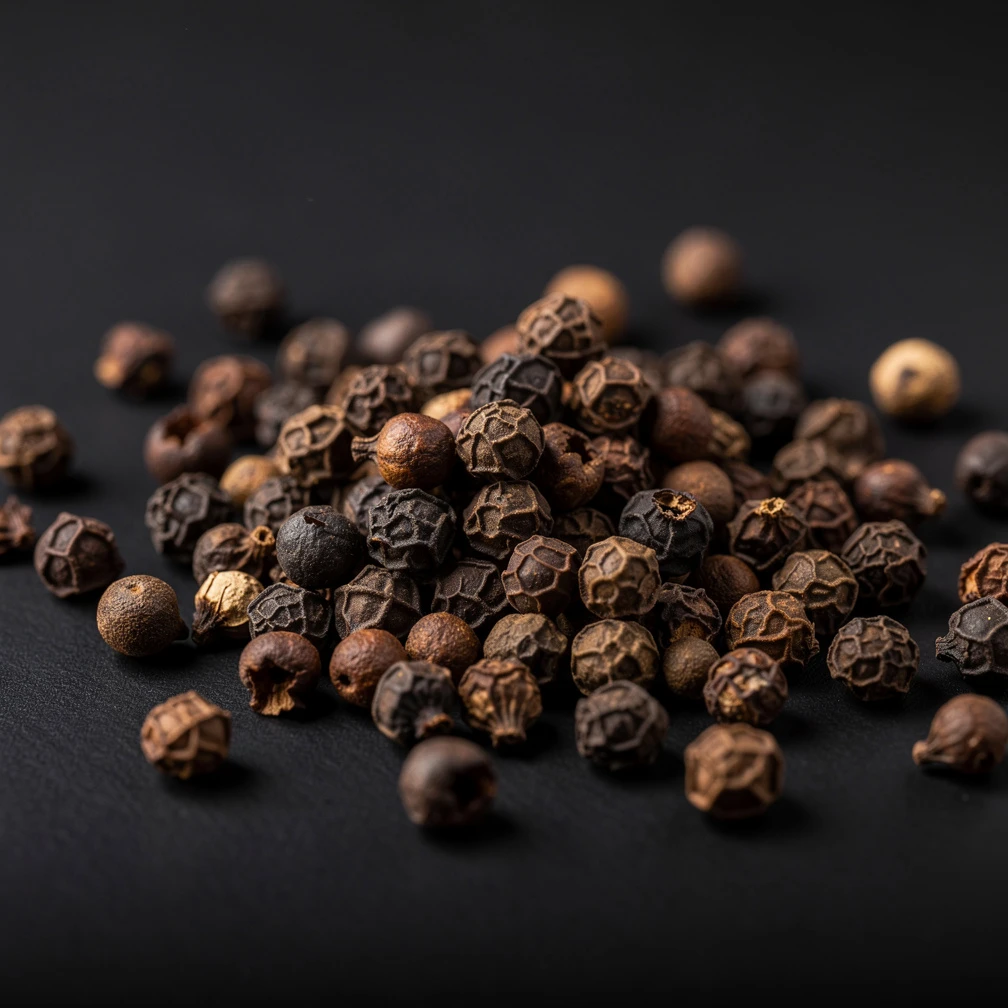
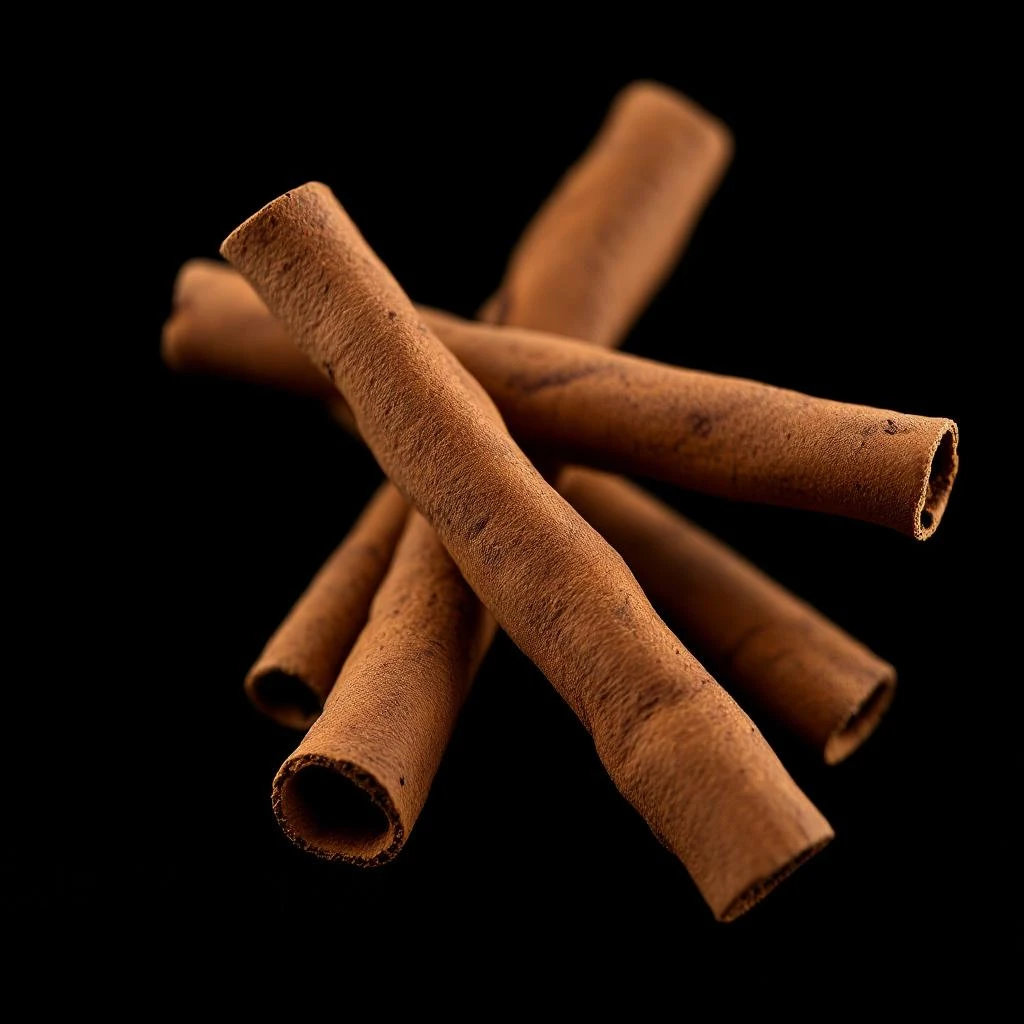
Pimento leaf oil pairs naturally with other spice materials such as black pepper, cardamom, and cinnamon bark. In perfumery, it complements woods like cedar and sandalwood, as well as resins like frankincense and benzoin, adding warmth without overwhelming lighter florals.