The Story
Why it exists.
The beginning
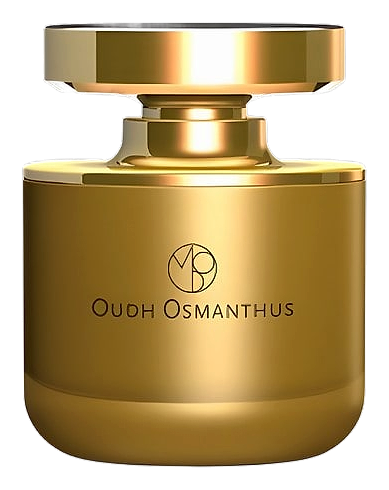
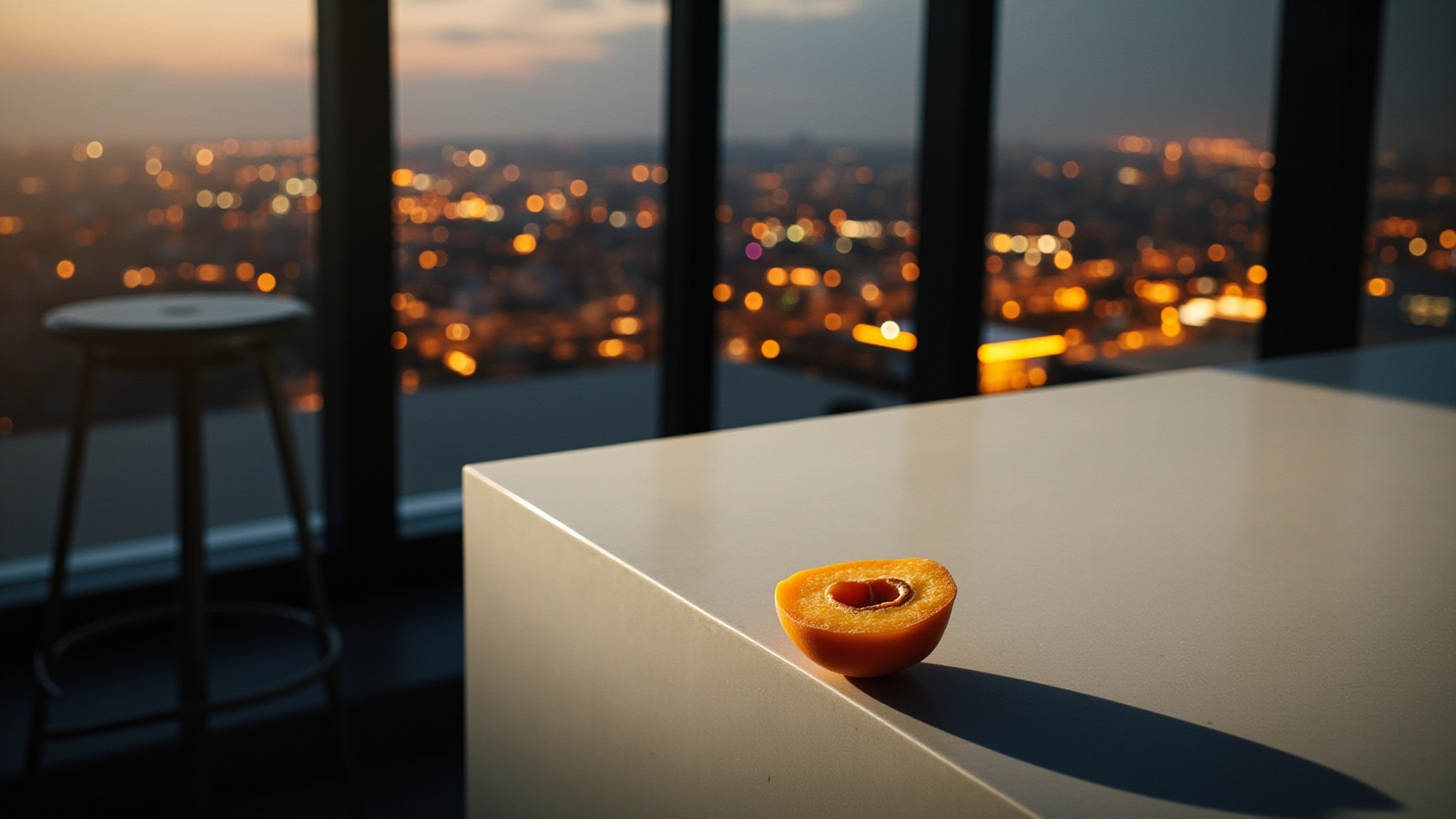
Oudh Osmanthus arrived in 2011 under the simpler name Oud. By 2014, the house renamed it Oudh Osmanthus. Mona di Orio had built her reputation on contrasts: light against shadow, the ephemeral against the enduring. Here, she placed the osmanthus absolute alongside one of the most coveted raw materials in perfumery. The osmanthus brings apricot jam, warm skin, autumn blossoms. But it also carries something darker, a leather-like nuance that keeps it from being simply sweet. The result was never meant to be a polite floral. It was meant to be honest about what it contained.
What makes this combination striking isn't the sweetness of osmanthus, apricot jam, warm skin, autumn blossoms, but how the Laotian oud doesn't compete with it. The oud wraps around the floral, almost supporting it from beneath. Cypriol oil adds a mineral, earthy counterpoint. The patchouli anchors everything with a shadow that deepens as the hours pass. This is a structured fragrance, one that knows exactly where it's going from the first spray. The osmanthus and oud create a continuous conversation, each note responding to the other as the fragrance evolves on skin.
The evolution
The opening hits bright. Petitgrain and green mandarin give it an immediate, almost sparkling clarity, clean citrus that opens the door. Within minutes, the osmanthus arrives, but it doesn't dominate. It introduces itself and then steps aside for the oud, which enters like a low note in a chord. The drydown is where this fragrance lives. Cedar and ambergris emerge, the musk settles close to skin, and what remains is resinous, warm, and intimate. Not projecting anymore, just present, like a memory you can't quite shake. The osmanthus lingers throughout, never fully disappearing, weaving back into the composition as the deeper base notes take hold.
Cultural impact
Oudh Osmanthus occupies a particular position in the landscape of modern perfumery. It offers an entry point for those curious about oud who find pure oud overwhelming. The 2014 renaming reflected the importance of the osmanthus note within the composition. Many who wear it describe the way the floral and oud elements interact, creating something that feels both delicate and substantial. The fragrance continues to find new admirers who appreciate how these two very different materials create a unified whole.