
The Story
Why it exists.
The beginning
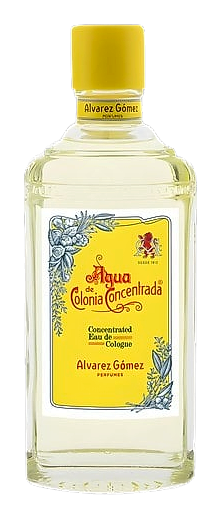
The Agua de Colonia Concentrada appeared in 1912, six years after the brand's founders set up their Madrid workshop. Three cousins, Herminio, Belarmino, and Emilio, had been blending traditional Spanish aromatics with newer concentration techniques since 1899. The idea behind this cologne was straightforward: take the classic citrus-and-herb formula that had served European perfumery for generations and make it denser, longer-lasting, and more intentional. Not a reinvention. An elevation. The 1912 formula became the house's anchor and has remained largely unchanged since.
What sets this cologne apart from the run of modern interpretations is the commitment to traditional Spanish aromatics rather than synthetic shortcuts. The house works with regional growers in Andalusia and maintains established supply relationships for Mediterranean ingredients. This isn't about novelty, it's about doing one thing well enough that you never need to change it. The result is a fragrance that reads as distinctly regional, with a character that feels rooted in place rather than assembled in a lab.
The evolution
The opening arrives bright and immediate, lemon and bergamot with a herbal edge from rosemary and thyme. Classic Spanish cologne territory, clean and direct. Within the first hour the heart opens: lavender's calming warmth layered with eucalyptus, creating an aromatic complexity that sits close to the skin. Not projecting, not announcing itself. The drydown trails into a quiet herbal-lavender finish that lingers for a few hours as the citrus and green notes slowly recede from the surface. On fabric, a faint trace survives into the next day.
Cultural impact
The Agua de Colonia Concentrada has been in continuous production since 1912, making it one of the oldest continuously produced colognes in the world. In Spain it occupies a particular niche, appreciated for its heritage, authenticity, and the fact that it hasn't tried to be anything other than what it is. This isn't a fragrance that chases trends or reinvented itself for a younger market. It simply endures, which says something about what it got right the first time.