The Story
Why it exists.
The beginning
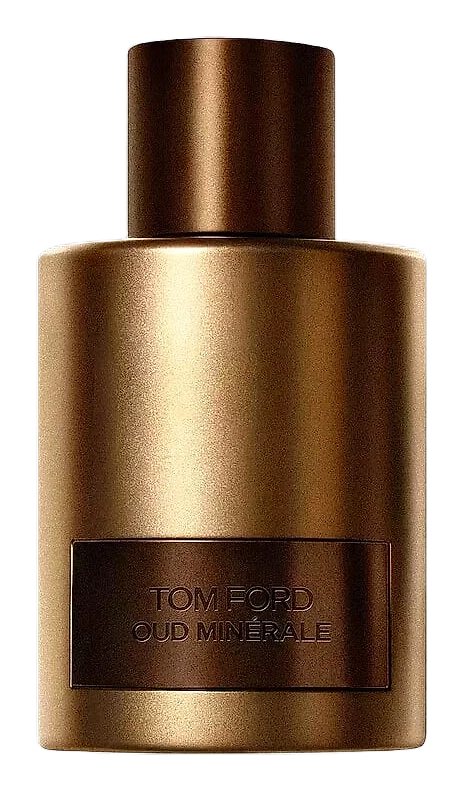
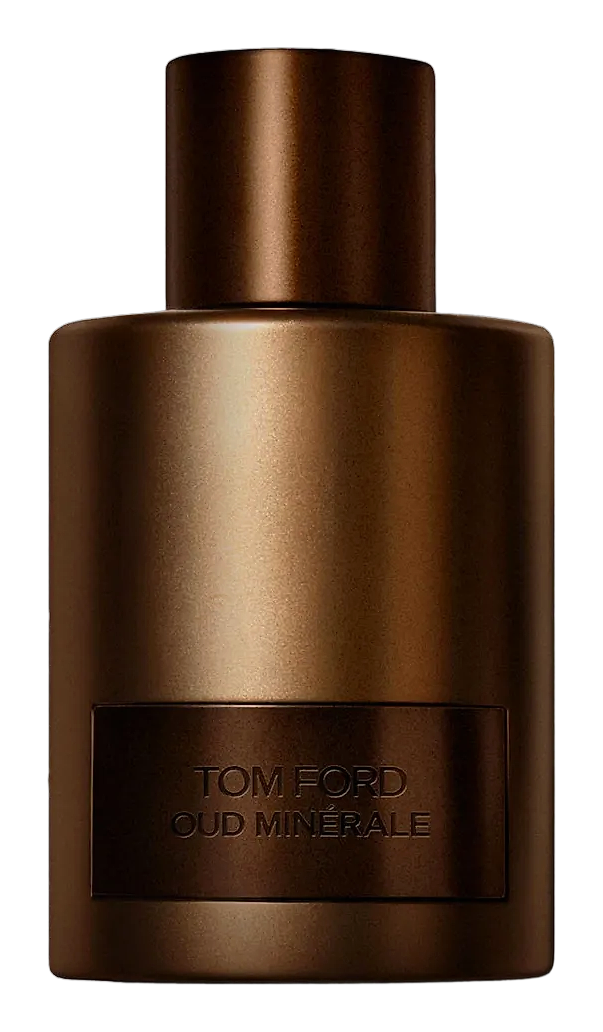
Oud and marine. Two notes that shouldn't orbit each other, and yet here they are, together in a single bottle, pulling in opposite directions and somehow holding. Oud Minérale started as a provocation: what happens when you take one of perfumery's most primal, animalic materials and drown it in salt? Not metaphorically. Actually submerge it. Shyamala Maisondieu built the composition around a central tension. Oud carries weight, warmth, centuries of cultural history. Marine notes carry openness, the smell of air meeting water, no fixed address, no identity beyond the moment. Pairing them meant finding a bridge that could hold both extremes without collapsing. That bridge became ambergris, with its strange ability to read simultaneously mineral and animal, oceanic and intimate. Fir balsam and styrax add structural resin. Pink pepper pops the opening with bright, clean heat. The result doesn't smell like a beach.
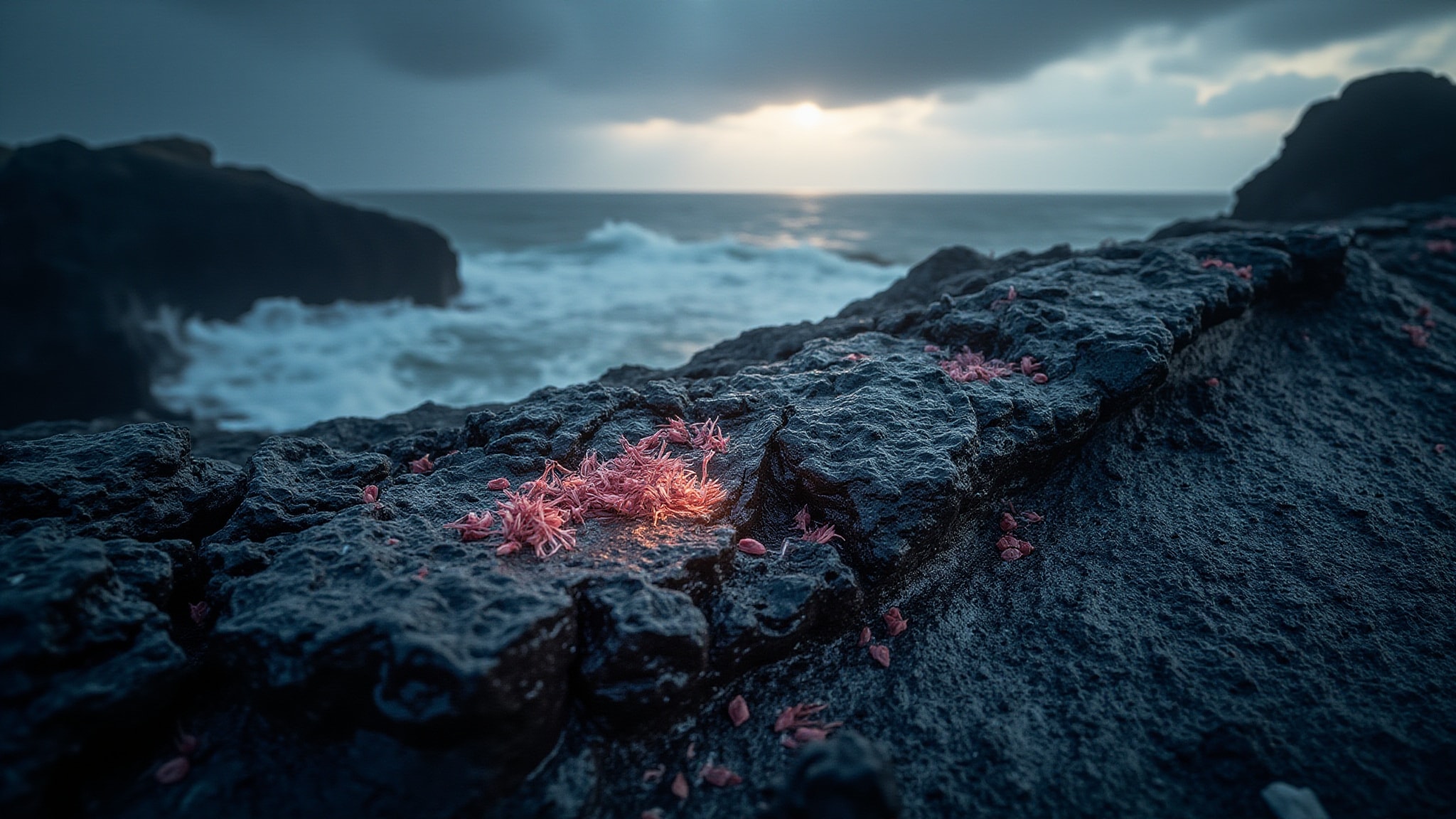
What's unusual here isn't the individual notes, oud appears in dozens of Tom Ford compositions, marine accords are everywhere, but the structural decision to let them cancel each other out instead of layering them in harmony. Usually perfumers smooth contradictions into something coherent. Oud Minérale keeps the friction. The marine accord reads almost entirely mineral: salt without sweetness, brine without vegetation. It doesn't smell like coconut sunscreen or fresh laundry, it smells like tide pools, cold stone, the specific smell of ocean fog at temperature change. The oud doesn't fight this. It slides underneath and adds a dark, warm substrate the way bedrock adds gravity to a landscape.
The evolution
The opening hits immediately, a wall of marine accord that smells less like perfume and more like standing inside a weather system. Salt, cold air, a faint mineral edge. Pink pepper is there in the first minutes, lifting the top notes just enough to prevent the whole thing from reading flat. This phase holds for 30 to 45 minutes before the marine begins to thin. The oud doesn't so much arrive as become visible, present the whole time underneath the marine, now surfacing as the top notes recede. It reads as dark wood rather than the thick, syrupy oud found in heavier compositions. Fir balsam adds a slight evergreen quality, suggesting altitude as the marine suggests depth. Together they create a kind of verticality, the composition feeling larger than it is. This is the heart of the fragrance, running roughly 3 to 5 hours. The drydown strips everything back to its essentials. Musk clings to skin, ambergris adds a warm mineral finish that mirrors the opening in reverse, and the oud sits there, quiet but present, like sediment.
Cultural impact
Released in 2017, Oud Minérale won the Fragrance Foundation Award for Men's Luxury in 2018, an unusual win for a fragrance that resists easy categorization. The aquatic-oud pairing was unconventional at launch, and it remains so: most marine fragrances lean toward freshness and approachability; this one uses oud's depth as a corrective. Wearers who connect with it tend to do so deeply, returning to it as a reference point for what aquatic can become when it stops trying to please everyone. It sits outside the main Tom Ford fragrance conversation, neither as iconic as Black Orchid nor as discussed as Lost Cherry, which has made it something of a cult fragrance within the brand, discovered by people who go looking.