Character
The Story of Calabrian Bergamot
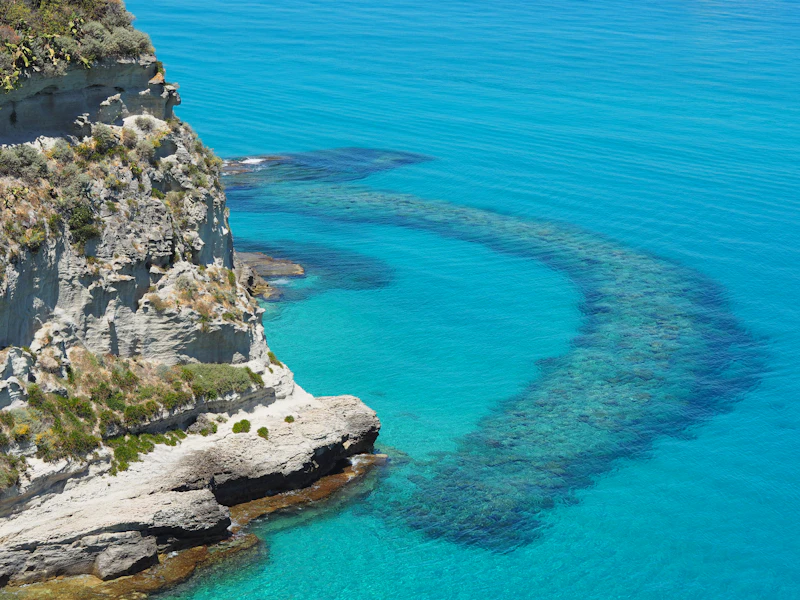
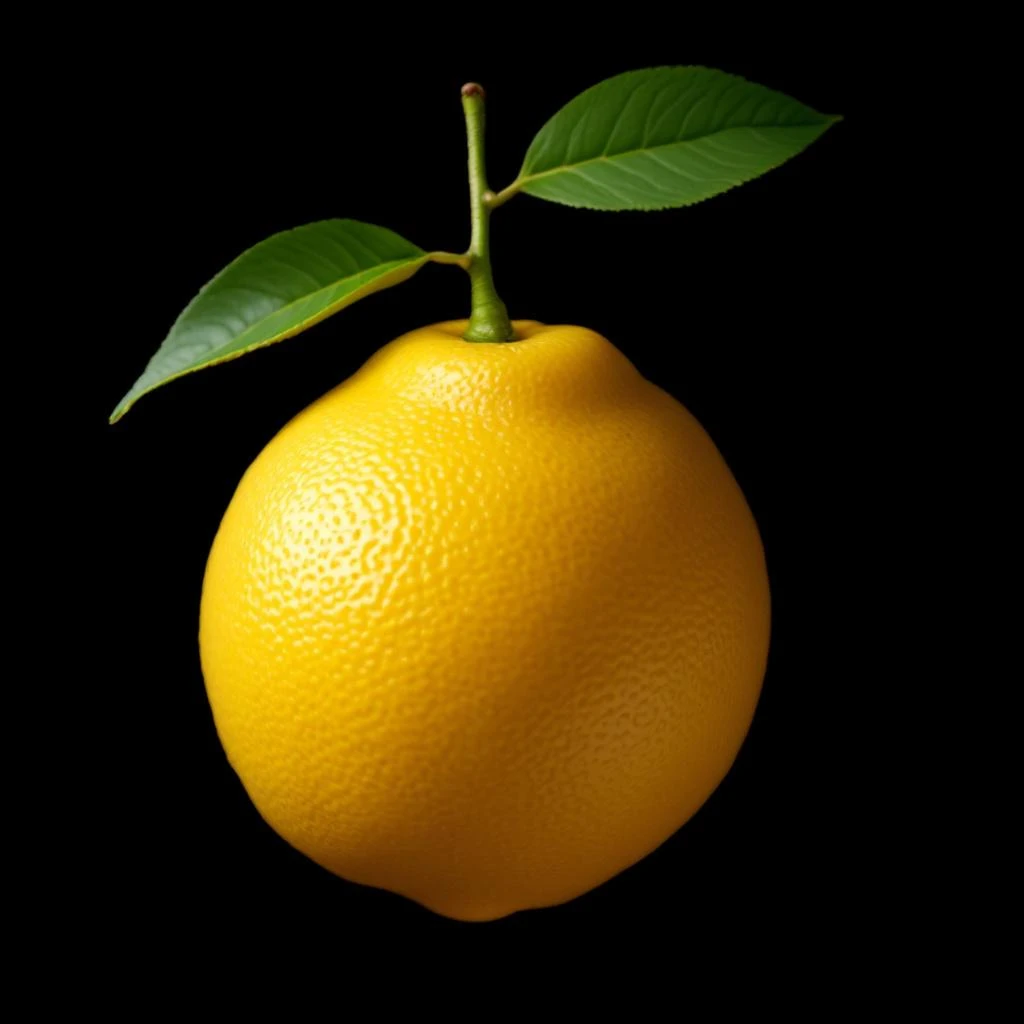
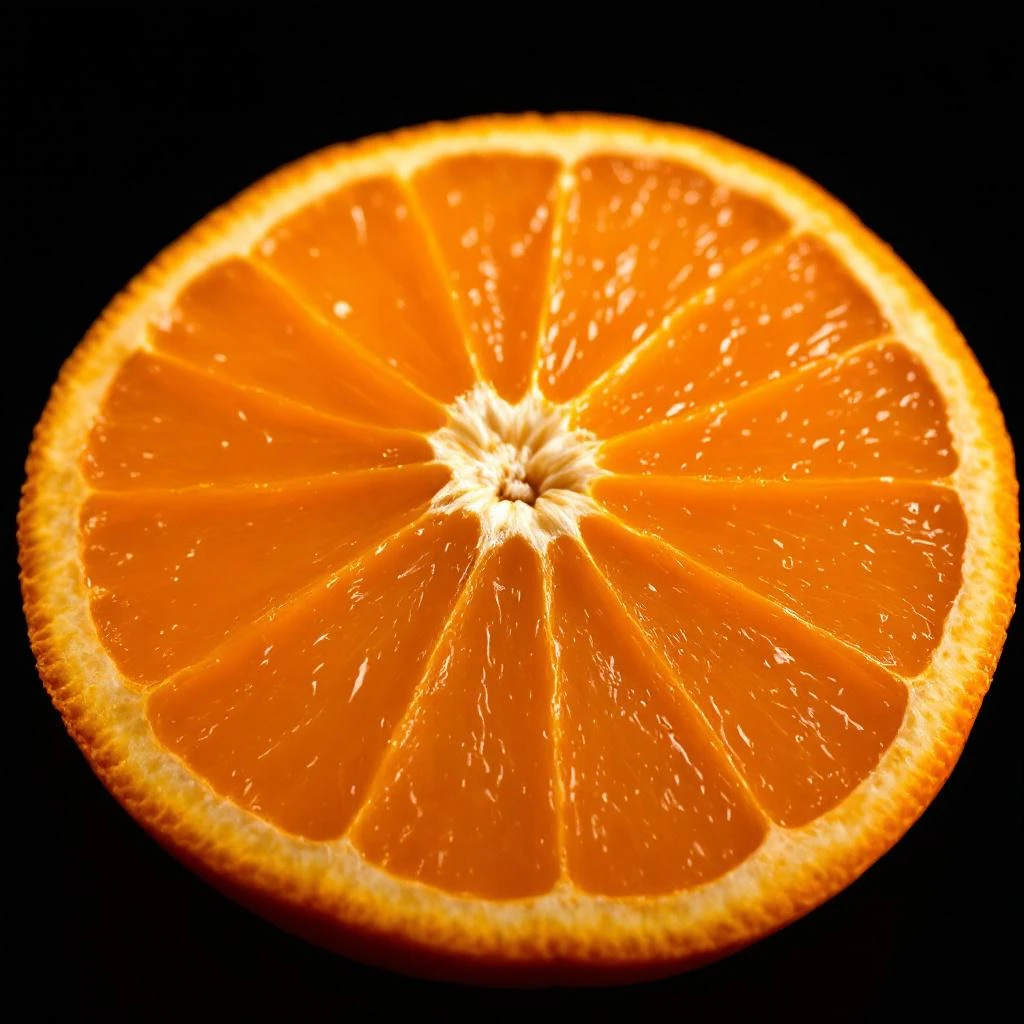
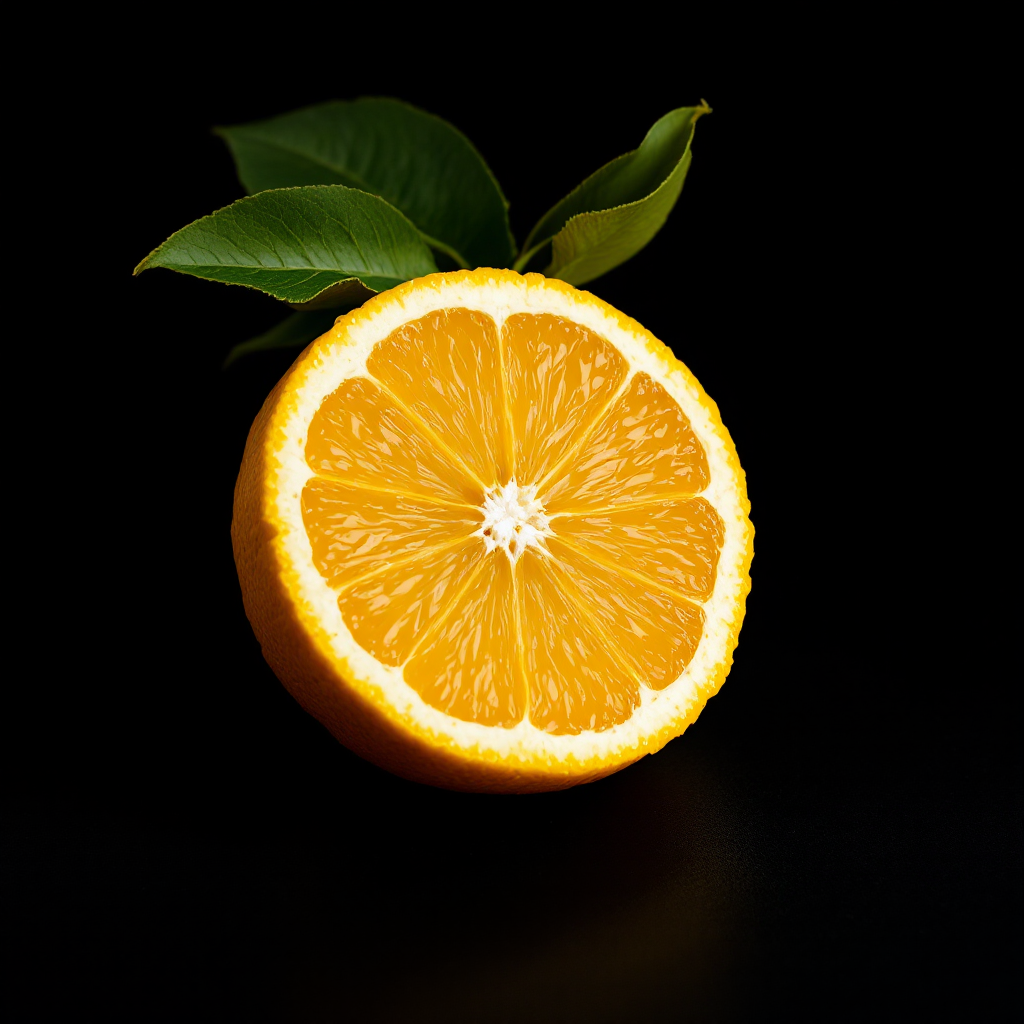
Calabrian bergamot is the bright, sophisticated citrus that gives Earl Grey tea its distinctive aroma and has served as the irreplaceable opening act of countless classic perfumes. Its scent is more suave and complex than lemon - a fresh, soft blend of floral lavender, peppery spice, and sparkling citrus that manages to feel both invigorating and refined. The small, pear-shaped fruit of Citrus bergamia is grown almost exclusively along the narrow coastal strip of Calabria in southern Italy, where the unique microclimate of warm Ionian breezes and mineral-rich soil produces an essential oil of unmatched quality. From November to March, the fruits are carefully hand-picked and cold-pressed - a mechanical extraction that crushes the rind to release the aromatic oils without heat, preserving the delicate terpenic and ester compounds that give bergamot its radiant character. A single tree yields roughly 100 kilograms of fruit, producing only about one kilogram of essential oil. Calabrian bergamot has anchored the citrus family since the birth of modern perfumery - it was a key ingredient in the original Eau de Cologne by Farina in 1709 and remains the most widely used citrus note in fine fragrance today.
Heritage
The modern perfume industry owes its very foundation to bergamot. In 1709, Giovanni Maria Farina, an Italian expatriate living in Cologne, created "Aqua Mirabilis" — later known simply as Eau de Cologne — and described it in a letter to his brother as evoking "an Italian spring morning, mountain daffodils and orange blossoms after the rain." Bergamot was the heart of that formula, and the fragrance became the most celebrated scent in eighteenth-century Europe, worn by Napoleon, Voltaire, and virtually every court in the continent.
But bergamot's aromatic history predates Farina by centuries. Calabrian folk medicine employed bergamot oil as an antiseptic and fever reducer as early as the Renaissance, and some historians trace awareness of the fruit's healing properties back to Hippocratic texts that reference a "golden citrus from the south." In the nineteenth century, Charles Grey, the second Earl Grey, lent his name to the famous tea blend flavored with bergamot oil — a recipe allegedly gifted to him by a Chinese mandarin, though the true origin remains debated. Today bergamot opens more fine fragrances than any other single ingredient, appearing in compositions from Guerlain's Shalimar to Tom Ford's Neroli Portofino, a testament to its unmatched ability to create an immediate sense of freshness and optimism.
At a Glance
26
Feature this note
Citrus
Olfactive group
Natural
Botanical origin
Italy
Primary source region
Ingredient Details
Cold expression
Rind of the unripe fruit
Did You Know
"Bergamot gives Earl Grey tea its distinctive flavor - over 80% of the world's supply comes from a single 100-kilometer stretch of Calabrian coastline."