The Story
Why it exists.
The beginning
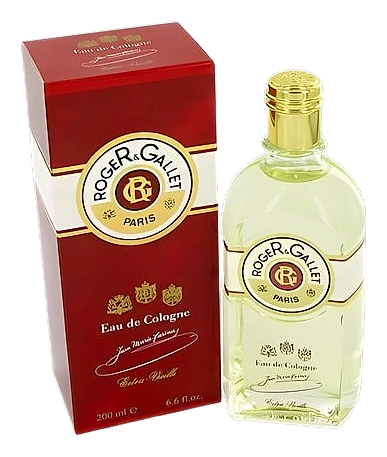
Jean Marie Farina created Acqua Mirabilis in 1693, a citrus-rich distillate that would eventually become Eau de Cologne. By 1806, Farina had moved to Paris, opened his perfumery, and refined the formula using the best distillation techniques of his era. That 1806 composition became the backbone of everything Roger & Gallet inherited when the house was founded in 1862. Extra Vieille is not a reinterpretation. It's the original formula, relabeled, reissued, and still in production, one of the oldest continuous fragrance lineages in the world. The name itself carries weight: extra vieille means "extra old" in French, a signal that this is the concentrated, historically faithful version, not a modern casual interpretation.
The structural choice here is herb-forward. Where most modern colognes lead with sweetness or synthetic muscle, Extra Vieille leads with petitgrain and rosemary, materials that carry a slight bitterness, an almost apothecary dryness that dates the composition. Carnation in the heart is the quiet surprise: it adds a peppery warmth that keeps the florals from being precious. The clove-myrtle base is another deliberate anachronism. These are not materials chosen for performance or novelty. They are materials chosen because they were available in 1806 and because they work.
The evolution
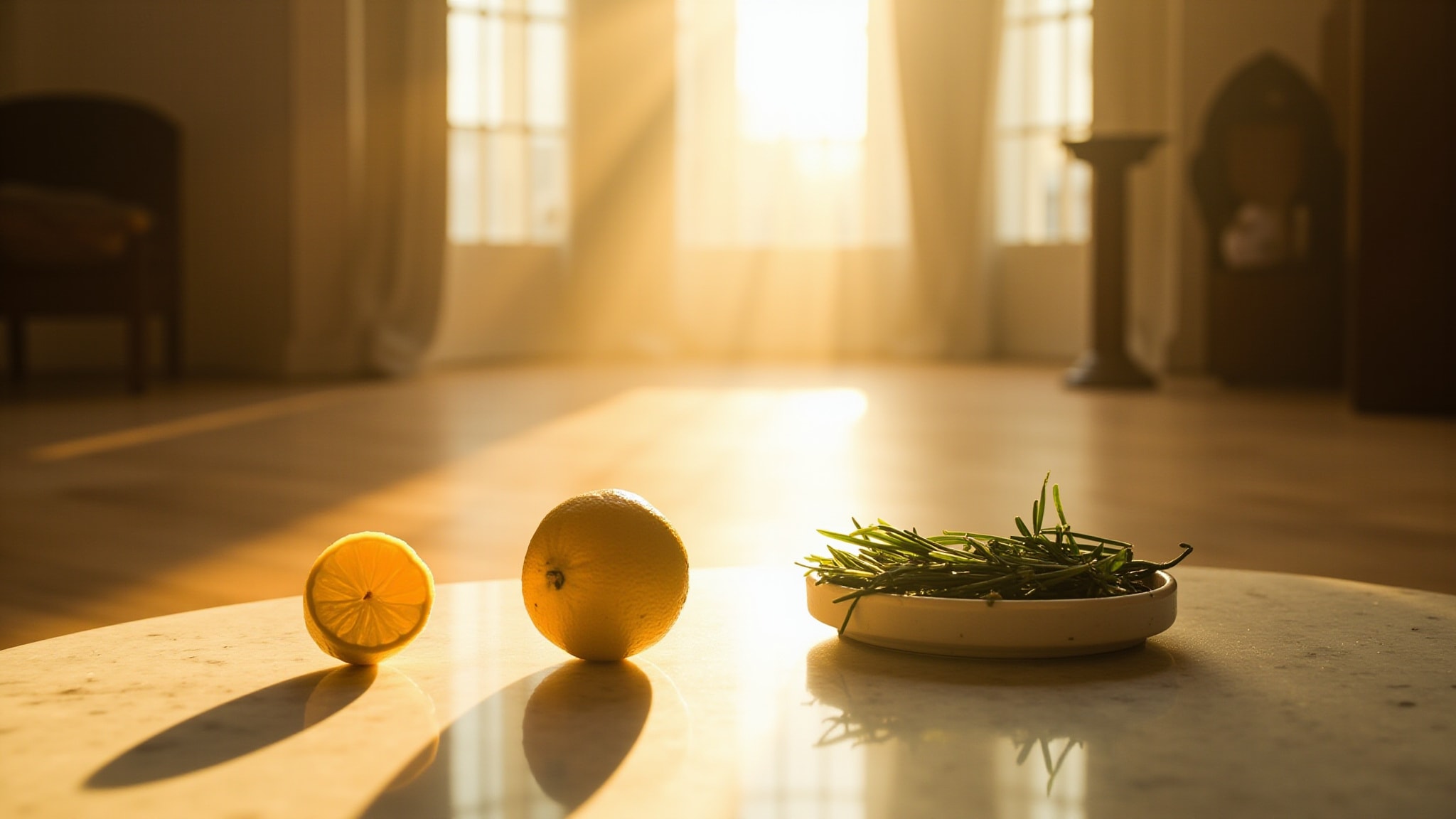
The opening announces itself immediately. Amalfi lemon and bergamot hit together, bright and clean, with mandarin orange adding a slight sweetness to the citrus. No hesitation here, it opens like a door. Within minutes the petitgrain and rosemary arrive, threading their herbal character through the lemon and keeping it from becoming simply fresh. The neroli appears next, softening the composition with a quiet floral warmth while carnation adds a barely-there spice. Rose sits underneath, barely detectable but present, the suggestion of something softer beneath the structure. By the mid-drydown, the clove and myrtle emerge. This is where the fragrance earns its name. The spice is warm, almost candied, but restrained, present enough to smell, quiet enough not to announce itself across a room. Cedar, vetiver, and white amber settle close to the skin. By hour three, it's a skin-scent: cedar and musk, faint and intimate, the kind of drydown that rewards proximity.
Cultural impact
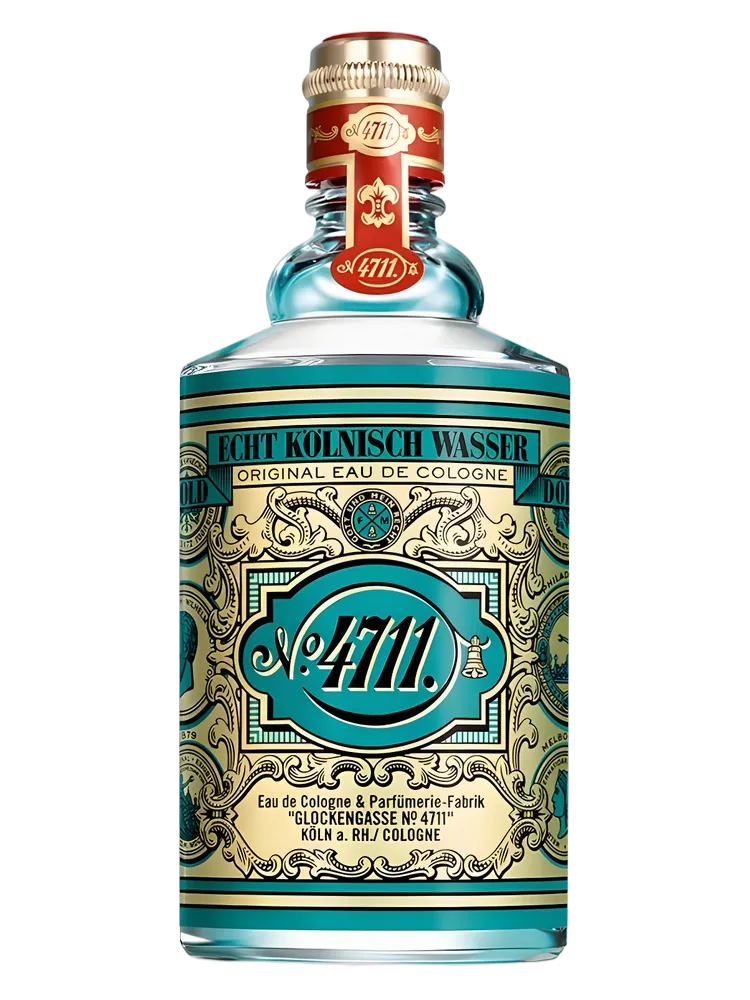
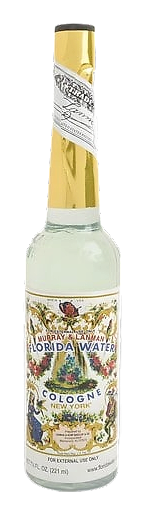
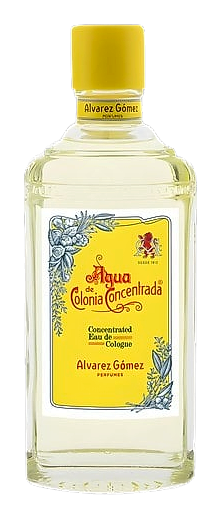
Extra Vieille occupies a specific corner of the fragrance world: the traditional Eau de Cologne lover's cologne. Its peers, 4711 Echt Kölnisch Wasser, Agua de Colonia Concentrada, share a similar profile and a similar audience. What sets Extra Vieille apart is its herb-forward character and its historical authenticity. The formula has been in continuous production since 1806, which makes it one of the oldest fragrances money can buy. Wearers describe it as the scent of someone who knows exactly what they want and doesn't need the world to know. Low sillage and moderate longevity mean it speaks to the wearer first and the room second. That's the point.