The Story
Why it exists.
The beginning
François Demachy looked at the Clos Fiorentine, the mansion in Saint-Jean-Cap-Ferrat where Hubert de Givenchy spent his summers, and saw more than a private garden. The brief was deceptively simple: translate the feeling of a summer day into something you could wear in February. Not the heat itself, but what summer smells like when you're not even thinking about it, the way certain air carries memory. Demachy has spent decades navigating the balance between classical perfumery traditions and contemporary sensibilities. He understood that summer in a bottle can't rely on a single impression. It moves through stages, from the initial brightness of citrus to the fuller florals as warmth develops, and finally to the quieter woody notes of late afternoon.
The choice of orange blossom absolute as the anchor deserves attention. This note differs from jasmine or rose in ways that make it particularly suited to the fragrance's intent. It carries a floral quality, certainly, but there's a complexity to it that prevents it from sliding into preciousness. In perfumery, orange blossom often gets softened into a clean, soapy-floral accord, the kind that registers as universally pleasant but lacks personality. Here, the approach is different.
The evolution
The opening is all citrus: bergamot sharp, mandarin sweet, a brief flash of lemon that vanishes before you can quite identify it. Within minutes, petitgrain arrives, steering the composition toward green without extinguishing the brightness. This is the most assertive phase, the moment when the fragrance announces itself across a table. As time passes, the orange blossom opens fully. It doesn't burst forward; it unfolds gradually, replacing the citrus with something warmer and richer. The florals take center stage, and the composition shifts from bright to something more sun-kissed. The drydown rewards patience. Musk settles in quietly, wrapping around the cedar and the remaining floral notes until the entire composition reads as intimate rather than projecting. On fabric, the citrus fades noticeably, leaving primarily the orange blossom and wood.
Cultural impact
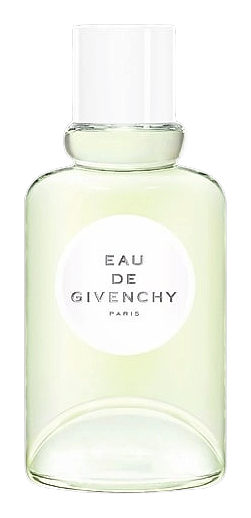
Eau de Givenchy occupies a distinct position in the modern citrus landscape. Unlike fragrances with a strong conceptual hook or a specific travel narrative, this one differentiates itself through the quality of its execution and the thoughtful balance of its components. It stands apart from more expensive niche citrus fragrances without directly competing with them. The fragrance appeals to those who want a dependable, well-crafted summer scent without excessive drama or spectacle. It reads as the choice of someone confident enough to let quality speak quietly.