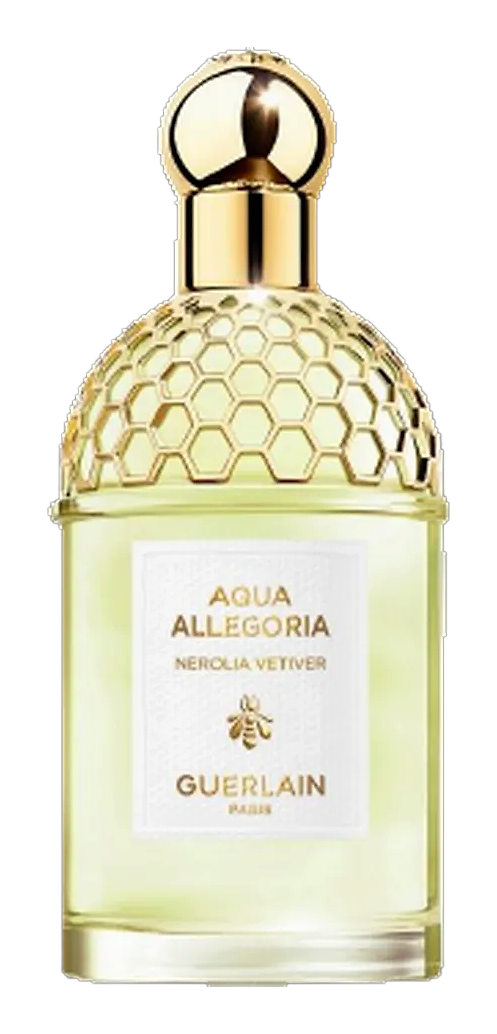

The Story
Why it exists.
The beginning
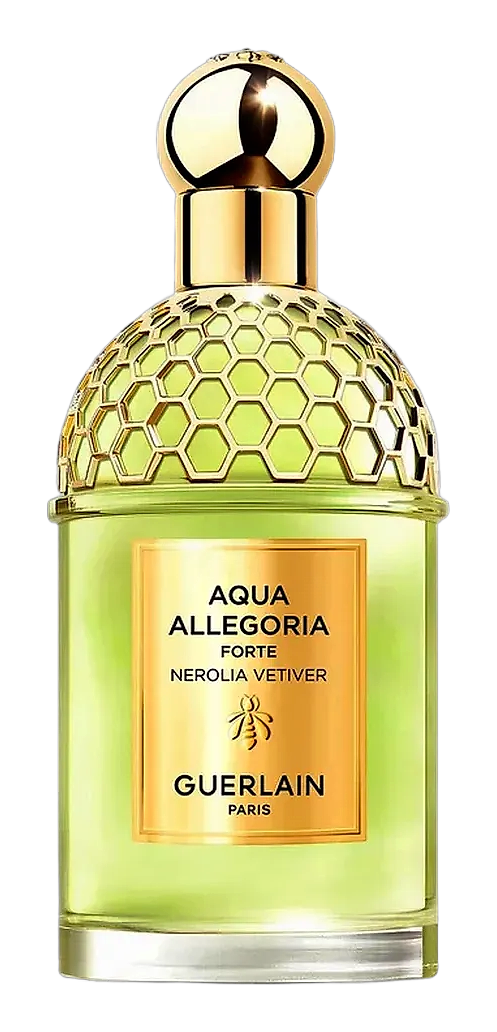
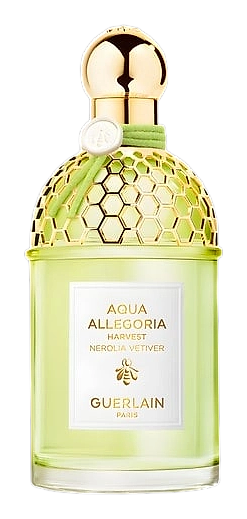
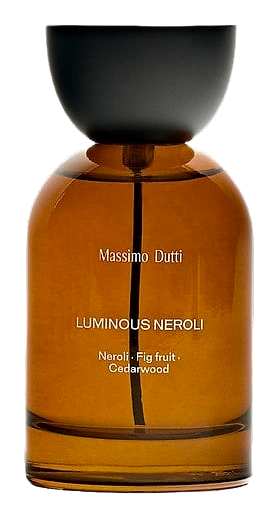
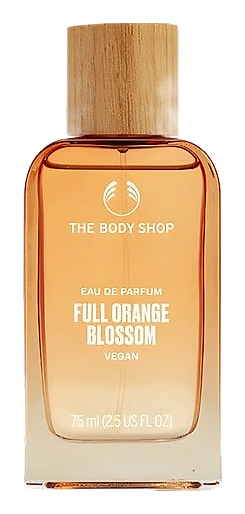
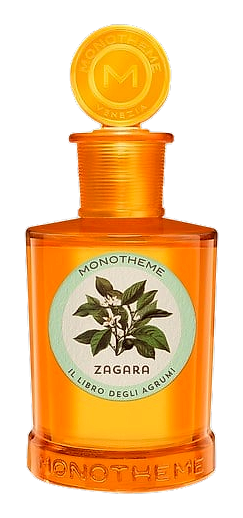
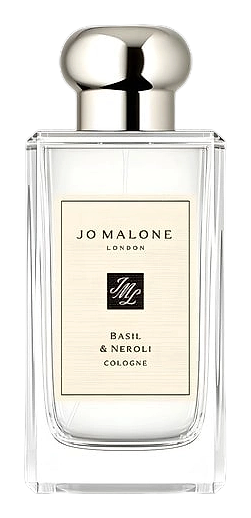
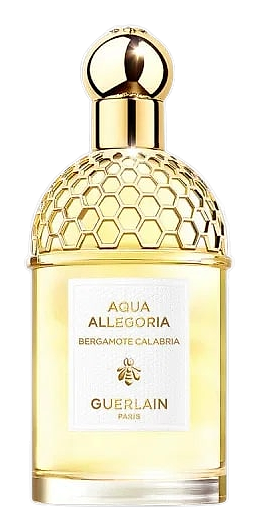
The 2022 addition to Guerlain's Aqua Allegoria line came with a simple directive from perfumers Delphine Jelk and Thierry Wasser: take neroli somewhere it rarely goes. Out of the wedding-bouquet corner. Into territory with roots. Calabrian neroli is the anchor, the real material, bright and unapologetic. The challenge was building a structure around it that honored that brightness without diminishing it. Vetiver provided the counterweight, a grounding presence that kept the florals honest. Fig added the unexpected dimension that makes the heart feel less expected, a subtle fruitiness that prevents any slide into prettiness. The result is a fragrance that wears its refinement without performing it. That knows what it is without announcing it.
What makes Neroli Vetiver interesting as a composition is the way it handles the challenge of neroli. The note carries certain expectations in perfumery, ideas about what a floral should be and how it should behave. Here, the bergamot and citrus at the opening do the expected work of brightening, but neroli's arrival is immediate and declarative. It doesn't wait. The fig accord is the composition's quietest stroke, present throughout, never announcing itself, but preventing any possibility of the florals reading as precious.
The evolution
The opening arrives clean. Bergamot, lemon, orange, a citrus trifecta that doesn't announce so much as it arrives. Thirty seconds in, the neroli asserts itself. This is the first decision the fragrance makes: no ambiguity about what it's doing. The basil arrives alongside it, herbal and slightly peppery, keeping the florals from any suggestion of sweetness. The fig is there from the beginning, but it takes the heart phase to make itself felt, that creamy, slightly fruity undertone that gives the white florals somewhere soft to land. By the time you hit the base, the citrus has receded and the vetiver has shifted gears. Cleaner at first, almost grassy. Then deeper, earthier, as the composition settles into something that genuinely lasts. The vetiver carries the drydown, rooty and warm, and the tonka bean extends everything into a warm, slightly sweet finish.
Cultural impact
Among fresh, green, and citrus-forward releases, Nerolia Vetiver occupies a distinctive position. The fragrance carries itself with unhurried confidence, its combination of bright neroli and earthy vetiver creating something that feels both immediate and grounded. The fig note provides warmth that gives the composition unexpected versatility, preventing it from reading as a purely summery scent. Wearers often describe the fragrance as the kind of scent you'd choose when you want to smell good without trying too hard, the olfactory equivalent of effortless style.
The House
GuerlainGuerlain stands as one of the oldest and most revered perfume houses in the world, founded in Paris in 1828 by Pierre-François-Pascal Guerlain. What began as a boutique on rue de Rivoli quickly became the preferred destination for Parisian society, attracting dandies and elegant women who sought custom-crafted fragrances. The house's influence grew to such heights that Guerlain earned the title of Official Perfumer to Napoleon III after presenting Eau de Cologne Impériale to Empress Eugénie as a wedding gift in 1853. This royal patronage marked the beginning of Guerlain's enduring association with European aristocracy, as the house went on to create fragrances for Queen Victoria and Queen Isabella II of Spain. Today, under the creative direction of Thierry Wasser, the fifth-generation perfumer, Guerlain continues to shape the landscape of fine fragrance with a portfolio spanning over 1,100 olfactory creations. The house remains headquartered at its legendary Champs-Élysées mansion, a historic monument that anchors Guerlain's position at the intersection of heritage and contemporary luxury.
The Creator
Delphine Jelk & Thierry WasserJelk builds compositions around contrast and tension—warm, round, and inviting, yet never soft. Her signature leans heavily on iris, musks, and powdery facets that give her work a distinctive texture, like cashmere caught in amber.