The Story
Why it exists.
The beginning
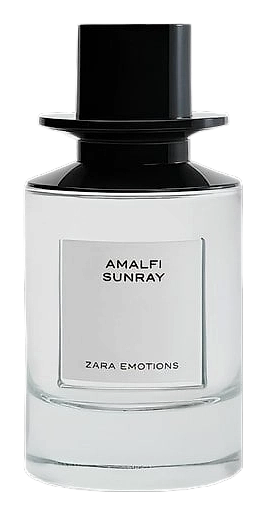
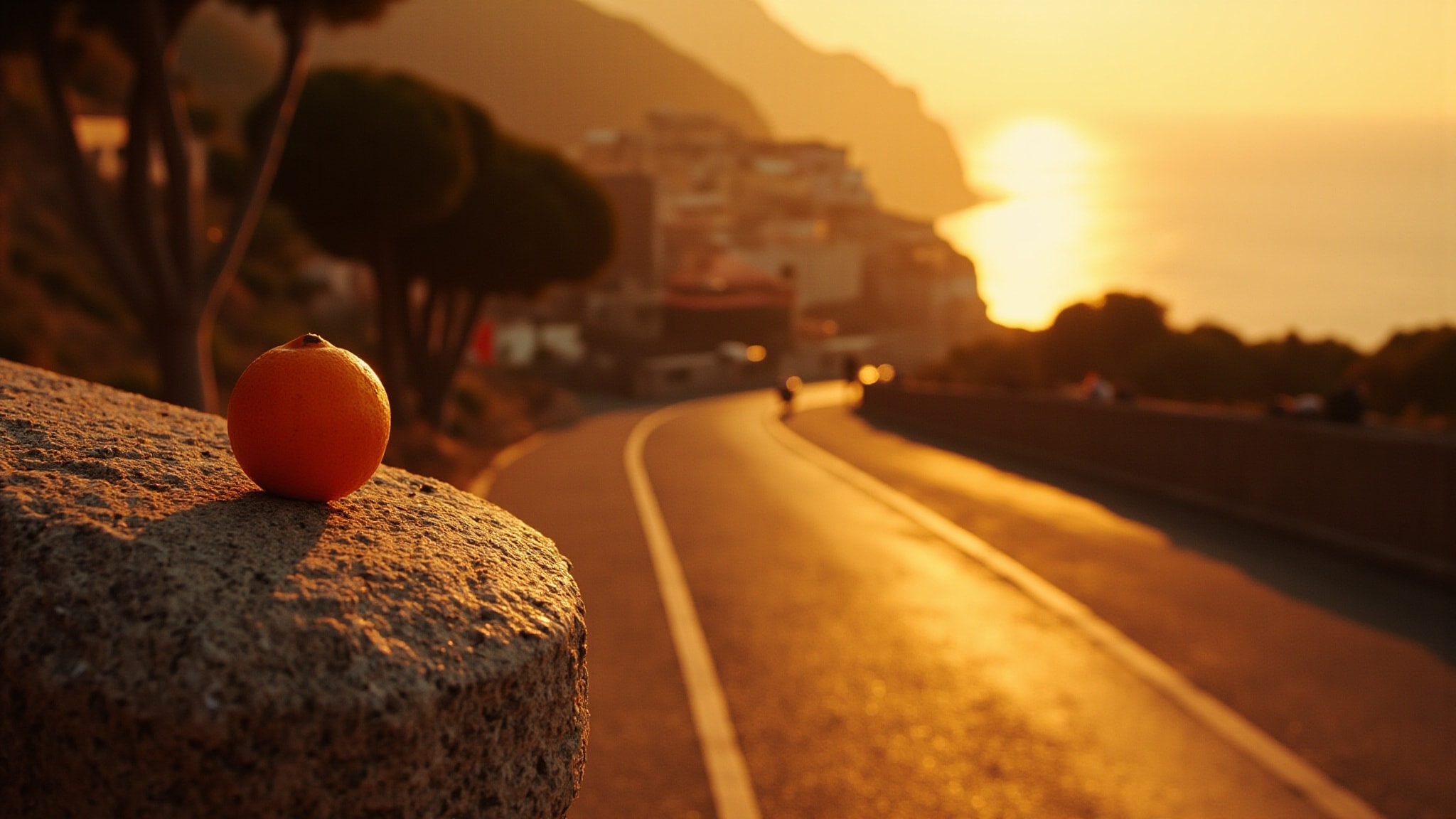
Jo Malone's collaboration with Zara in 2019 brought her independent sensibility to the Zara Emotions collection. Amalfi Sunray was built around a specific idea: the luminosity of the Italian coast distilled into something you could actually wear. The name itself tells you everything, Amalfi, that stretch of Mediterranean coastline where the light turns everything golden and the air smells like citrus blossom and warm stone. This is that light in a bottle. Not an interpretation. A translation.
The structure is unusual in the best way. Three notes. That's it. Bergamot, mandarin, orange blossom. No base layer, no complexity for its own sake. Everything happens in the top and heart, which means the scent stays lean, bright, and refreshing rather than deep and layered. Bergamot and mandarin give the opening its tart, slightly bitter citrus quality, the kind that wakes you up without screaming for attention. Orange blossom softens that sharpness, adds sweetness, and keeps the whole composition graceful rather than aggressive.
The evolution
The opening arrives in seconds. Citrus brightness, immediate and confident. Bergamot and mandarin arrive together and refuse to take turns, they layer immediately, creating a tart-sweet effect that reads as both fresh and warm at once. The hand-off happens within the first hour as the citrus softens. Orange blossom takes over. It's less bright now, more creamy, the kind of floral that smells like orange blossom water, like soap, like something clean and slightly sweet. The drydown is gentle. The florals don't announce themselves so much as settle. What lingers is a warm trace on the skin, something close and quiet, a reminder of the morning rather than a shout. Four to six hours of quiet presence.
Cultural impact
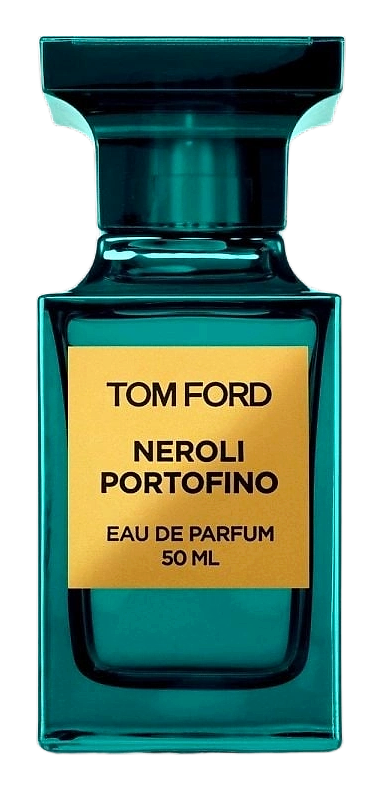
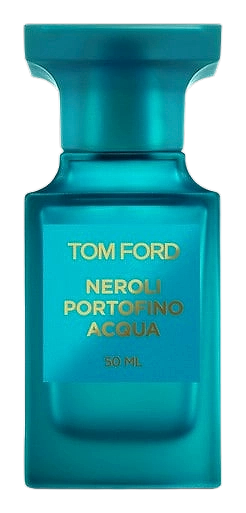
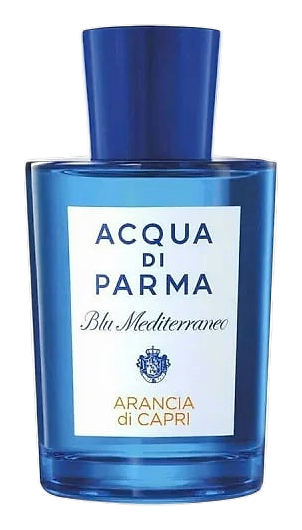
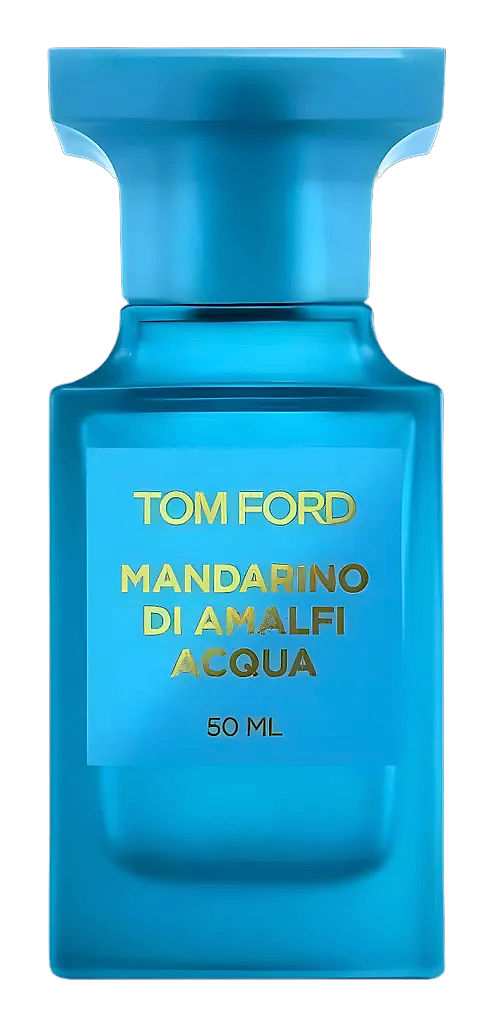
The Jo Malone collaboration put Zara in a different light, proof that the brand could work with individual perfumers rather than just fragrance manufacturers, and that the result could compete with what had come before. Amalfi Sunray sits comfortably alongside warmer, more expensive interpretations of Italian citrus: Tom Ford's Neroli Portofino, Acqua di Parma's Arancia di Capri. It holds its own. Whether it found its audience is harder to say, the fragrance appears to have been discontinued, which means it survives now on the secondary market and in the memories of people who wore it.