The Story
Why it exists.
The beginning
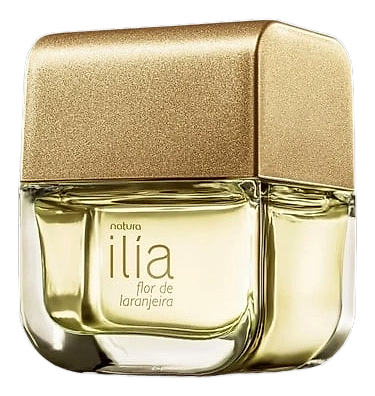
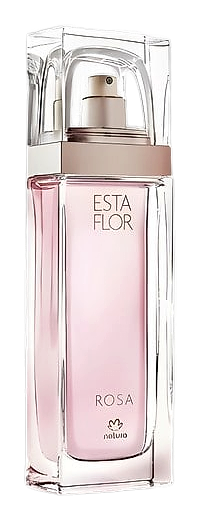
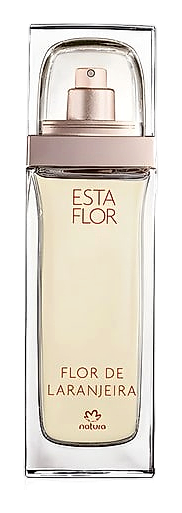
Verônica Kato designed Flor de Laranjeira around a single conviction: orange blossom should be the undeniable protagonist. Released in 2016 as part of Natura's Esta Flor collection, the fragrance draws from the brand's deep relationship with Brazilian botanicals. The brief was clear, create a floral that felt modern rather than powdery, sophisticated rather than shy. Citrus opens the composition, freesia and jasmine add dimension, but the heart belongs entirely to orange blossom. It carries the fragrance. It always has.
What makes this structure interesting is the ratio. Orange blossom doesn't share the stage, it owns it. The citrus in the opening reads bright and almost sparkling, the freesia adding a translucent quality that lifts the jasmine. But once the orange blossom arrives, it arrives completely. The brand calls this intensity essential. It is. The cedar and musk in the base don't compete either. They provide the structure that lets the floral assert itself without becoming shrill or disappearing. This is what modern means here: confidence that doesn't argue.
The evolution
The opening arrives crisp. Freesia and jasmine give the citrus a translucent quality, you smell the brightness before you identify the source. Within minutes, the orange blossom takes over. This is not a gradual transition. It is a statement. The heart owns the next few hours, radiating a warmth that shifts the composition from cool citrus to something intimate and full. The drydown arrives quietly by comparison. Creamy cedar and musk settle close to the skin, maintaining that sophisticated feminine character without announcing it. Above-average staying power means the orange blossom lingers well past the point where most florals have packed up and left.
Cultural impact
Released in 2016, Flor de Laranjeira occupies a specific space in the white floral category, more assertive than office-safe florals, but without the heavy fruits or Gourmand base that often signal "statement fragrance." It wears easily across seasons, though spring and summer show it best. The composition fills a gap between mass-market citrus florals and niche-intensity white florals. Natura's Brazilian identity gives it a different register than French-designed competitors in the same accord family.