The Story
Why it exists.
The beginning
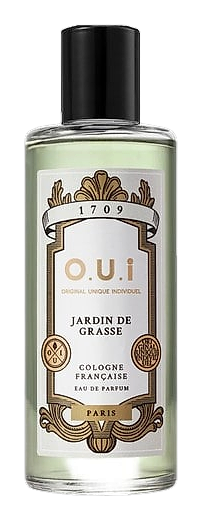
Jardin de Grasse takes its name from the Provençal city known as the world's perfume capital, a place where flower fields and fragrance houses have coexisted for centuries. Olivier Cresp and Sébastien Cresp built this fragrance around that heritage, but with a contemporary clarity: the garden as a living space, not a nostalgic reference. The composition centers on white florals, orange blossom as the anchor, framed by green and citrus elements that feel less composed than discovered. Petitgrain brings an aromatic bitterness that keeps the sweetness honest. Bergamot opens the way a garden path opens: with intention, but without ceremony. The result is a fragrance that references its namesake without replicating it, a garden translated into something wearable, day or evening, by someone who appreciates the source material.
What makes this composition work is the discipline beneath the florals. Orange blossom can easily become indolic, heavy, the kind of white floral that announces itself before the wearer is ready. Here, it's held in check by the green elements, petitgrain in particular, that give the heart a slightly bitter, aromatic quality. The pink pepper doesn't announce itself loudly, but it adds warmth and a faint spice that prevents the whole composition from feeling too soft. The base is where restraint pays off: sandalwood and amber create a warm, creamy drydown that keeps the fragrance close to the skin rather than projecting outward. This is a fragrance that rewards wearing, not just noticing.
The evolution
The first hour belongs to citrus. Italian bergamot hits bright and clean, that characteristic bitter-sweet of good bergamot, while neroli adds its own floral-citrus dimension. Petitgrain is the quiet workhorse here, providing green and aromatic depth that keeps the opening from feeling like a perfume ad. By the second hour, the white florals take over. Orange blossom emerges as the clear heart, rich and honeyed, while the pink pepper begins to warm the composition. The aromatic quality persists but softens. Around the third hour, the base notes arrive: amber first, then labdanum adding a resinous, slightly animalic warmth. Sandalwood follows, and the drydown settles into something creamy and close to the skin. Musk anchors the composition without adding any harshness, the kind of clean warmth that feels almost skin-like. The final phase is intimate. Sandalwood and amber linger, musky and warm, for several hours on most skin types.
Cultural impact
The Jardin de Grasse series references Grasse, the Provençal city that defined modern perfumery. The brand honors this heritage with a modern perspective, creating white florals done with discipline rather than nostalgia. This fragrance occupies the space between heritage and contemporary clarity, appealing to those who appreciate historical perfume traditions while seeking innovative scent compositions.