
The Story
Why it exists.
The beginning
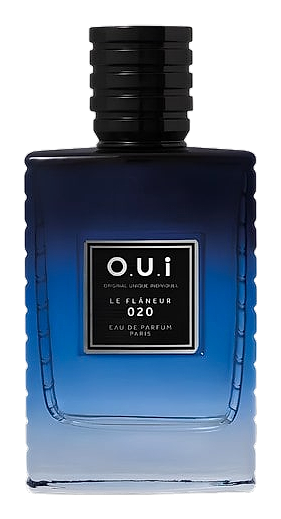
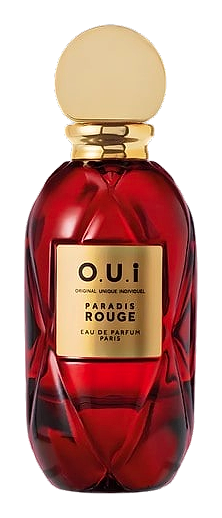
Paradis Rouge was conceived as an answer to a simple question: what would a rose smell like if it didn't try to please everyone? The 2021 launch from O.U.i, the French-Brazilian house founded on radical self-authorship, gave perfumer Fabrice Pellegrin the brief. Cardamom at the top. Damask rose at the heart. Sandalwood at the close. Three materials, no shortcuts. The opening had to feel like the first moment of something unexpected, spice that arrives and then recedes, making room for the rose to take the stage on its own terms. Not a rosy fruity fragrance. Not a safe floral. Something with weight and intention.
Sandalwood is the quiet architect here. It doesn't just anchor the composition, it softens the rose's edges into something intimate and persistent. The result is a fragrance that feels considered, deliberate, and quietly memorable. The kind of scent that becomes a signature without ever needing to announce itself. Three notes, each doing exactly what it should, nothing more.
The evolution
Cardamom arrives first, the green, slightly bitter bite hitting the air before it softens into warmth. It doesn't linger. Within minutes the damask rose takes over, opulent and full, sandalwood already working underneath to keep the petals from flying too high. The handoff is the thing: the rose and sandalwood begin to blur together, the woodiness creeping upward into the floral heart until you can't quite separate where one ends and the other begins. The drydown is intimate, skin-close, the kind that someone standing beside you will notice before someone across the room. Lasts a full workday on most skin types. The next morning, on fabric, it smells like the ghost of a rose and something warmer underneath, a quiet residue, not a loud statement.
Cultural impact
Paradis Rouge arrived in 2021 as part of O.U.i's debut collection, positioning itself within The Boticário Group's broader portfolio of Brazilian fragrance houses. The brand represents a deliberate pivot toward younger, self-expressive consumers who reject the formality of traditional French perfumery. By stripping the composition down to three materials, O.U.i signals a preference for intentional minimalism over the layered complexity that dominated the market. This approach reflects a broader cultural shift in how younger consumers engage with luxury goods, prioritizing authenticity and personal expression over established prestige markers.