
The Story
Why it exists.
The beginning
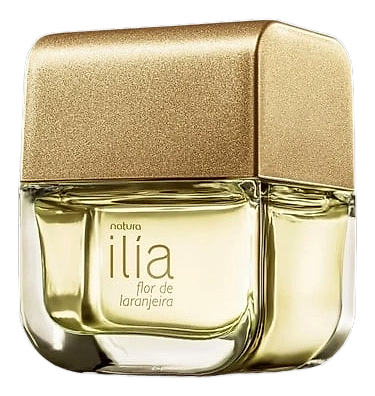
Flor de Laranjeira, orange blossom, is one of the oldest olfactory references in perfumery. Verônica Kato and Louise Turner didn't try to reinvent it. They went looking for it: the actual flower, its green stem, the slight bitter edge where petal meets air. The brief was simple on paper: find the most realistic orange blossom possible and build nothing around it that would compete. What emerged is a fragrance that feels less composed than discovered, as if someone opened a window in a grove and let the air make the rest.
The herbaceous top note is the tell. Freesia adds a cool transparency that keeps jasmine from going heady. Together they create an opening that smells like morning, green stems, the slight humidity of petals still damp from the night. Then the orange blossom arrives and doesn't apologize for taking up space. The base of white musk and white cedar keeps the whole thing honest: no sweetness to smooth the edges, no warmth to cozy it up. This is orange blossom as it actually smells, not as we wish it would.
The evolution
The first twenty minutes do the most work. Herbaceous and bright, almost sharp, the kind of opening that asks you to wait. Then the orange blossom peaks through, pushing the green back but not replacing it. By hour two, jasmine and freesia have settled into something quieter, the way light changes in the afternoon. The drydown is where white cedar earns its place: a woody warmth that keeps the floral from going powdery, while white musk holds everything close to the skin. On most people this lasts a full workday. The ones who complain about fading likely applied less than they think they did.
Cultural impact
Ilía Flor de Laranjeira sits in a specific corner of the market: clean floral without the typical sugar rush. It shares territory with Narciso Rodriguez For Her and Chloe Eau de Parfum, but it's more herbal than both, less about softness, more about intention. The fragrance has found its audience among people who want to smell like they showered, not like they tried. That distinction matters more than it sounds like it should.