Fresh note
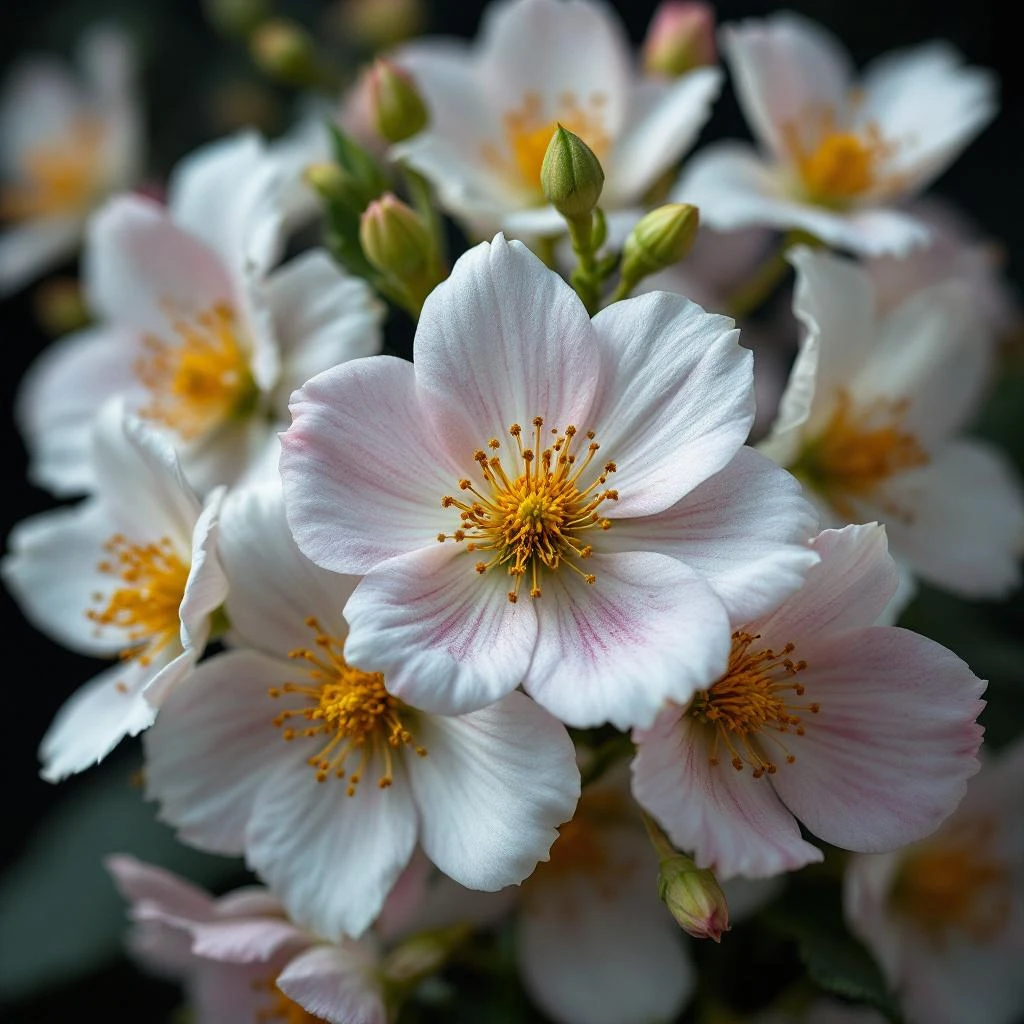
Fresh notes create bright, clean scent impressions that evoke herbs, citrus, and oceanic atmospheres. This broad olfactory family includes citrus, green, and ozonic subcategories. Fresh notes define a fragrance's opening character and establish immediate sensory associations with natural cleanness and renewal.

Character
How it smells
The bright opening that defines modern fragrance
Over 70% of men's fragrances and 60% of women's fragrances launched in recent years feature Fresh notes as dominant accords.








Origin
Mediterranean region (varies by ingredient)
Ancient Mediterranean civilizations first harnessed aromatic plants for fragrance. Egyptians used maceration around 2000 BCE, infusing fats with flowers to create perfumed ointments. Greeks and Romans later refined extraction techniques, establishing foundational perfumery practices.
The word perfume itself derives from the Latin per fumum, meaning through smoke, referencing incense burned in religious ceremonies. From the 19th century, organic chemistry transformed the industry. Chemists synthesized natural aroma compounds like coumarin and vanillin, enabling new olfactory possibilities.
By the 1980s, synthetic aquatic molecules created entirely new fresh categories, revolutionizing how fresh notes could be constructed and sustained in fragrance.
Wears it best
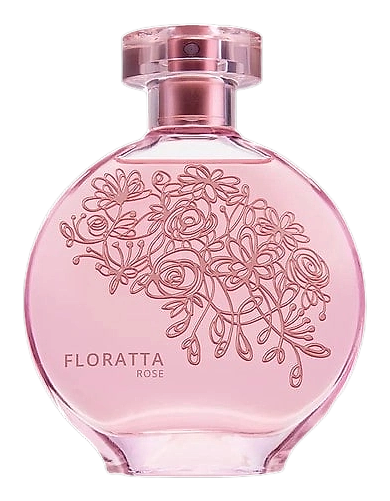
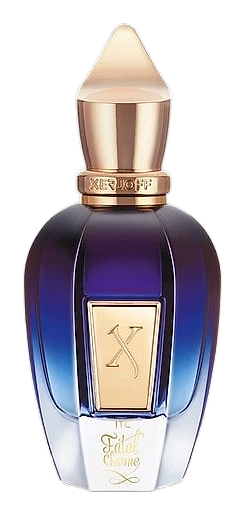
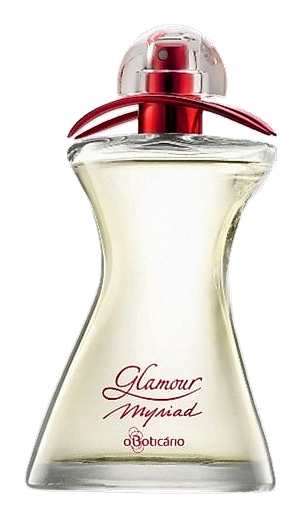
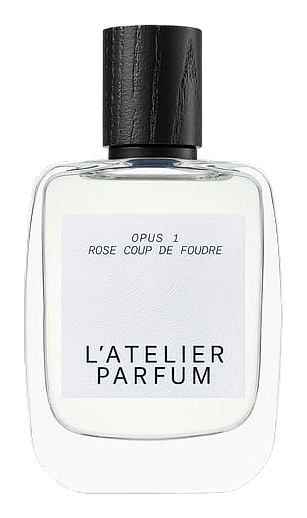
Fragrances featuring Fresh note








Brands
Brands known for Fresh note
Good to know
Questions, answered
The essentials on Fresh note in perfumery: how it smells, where it comes from, and how it behaves on skin.
What does Fresh note smell like in perfume?
Fresh notes smell like clean, bright scents evoking herbs, citrus, green leaves, and oceanic air. They create an immediate perception of cleanness and natural renewal. Specific expressions range from sharp lemon zest to crisp cucumber and dewy florals.
Why is Fresh note used in perfumery?
Fresh notes provide an immediate, attention-grabbing opening that draws wearers into a fragrance. They create positive first impressions and project approachability. Research shows clean, fresh accords are among the most preferred fragrance profiles globally.
Is Fresh note in perfume natural or synthetic?
Fresh notes can be either natural or synthetic. Citrus oils, herbs, and green leaf extracts are natural sources. Synthetic alternatives like Calone (aquatic) and Hedione (transparent jasmine) create fresh effects impossible to achieve with naturals alone. Most modern fragrances combine both approaches.
What famous perfumes contain Fresh note?
Iconic fresh fragrances include Acqua di Giò by Armani, Cool Water by Davidoff, and Chanel Allure Homme Sport. These fragrances feature fresh notes as dominant accords and have achieved bestseller status worldwide since their launches.
Is Fresh note a top note, heart note, or base note?
Fresh notes function primarily as top notes due to their high volatility. Citrus and ozonic molecules evaporate within 15-30 minutes of application. Certain green and aromatic ingredients with lower volatility can serve as heart notes in specific compositions.
What notes pair well with Fresh note in perfume?
Fresh notes pair well with complementary bright categories. Citrus combines naturally with white florals like jasmine and neroli. Aromatic herbs enhance green accords. Aquatic fresh notes blend with transparent musks and lightwoods like cedar and vetiver.
Where does Fresh note come from?
Fresh notes originate from botanical sources across warm climates. Mediterranean countries produce bergamot, lavender, and rosemary. Brazil and Florida cultivate citrus fruits. Tropical regions supply exotic green materials. Synthetic chemistry creates additional fresh molecules in laboratories.
Is Fresh note used in men's or women's fragrances?
Fresh notes appear equally in men's and women's fragrances. Traditional gender boundaries have blurred in modern perfumery. Aromatic herbs, citrus, and green notes are now standard in unisex and gender-neutral fragrance collections.