The Story
Why it exists.
The beginning
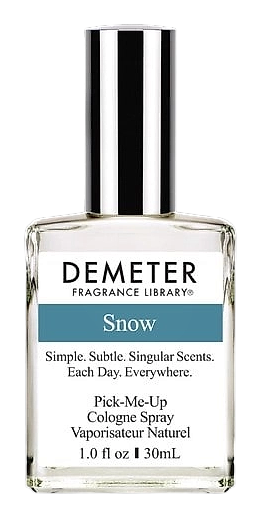
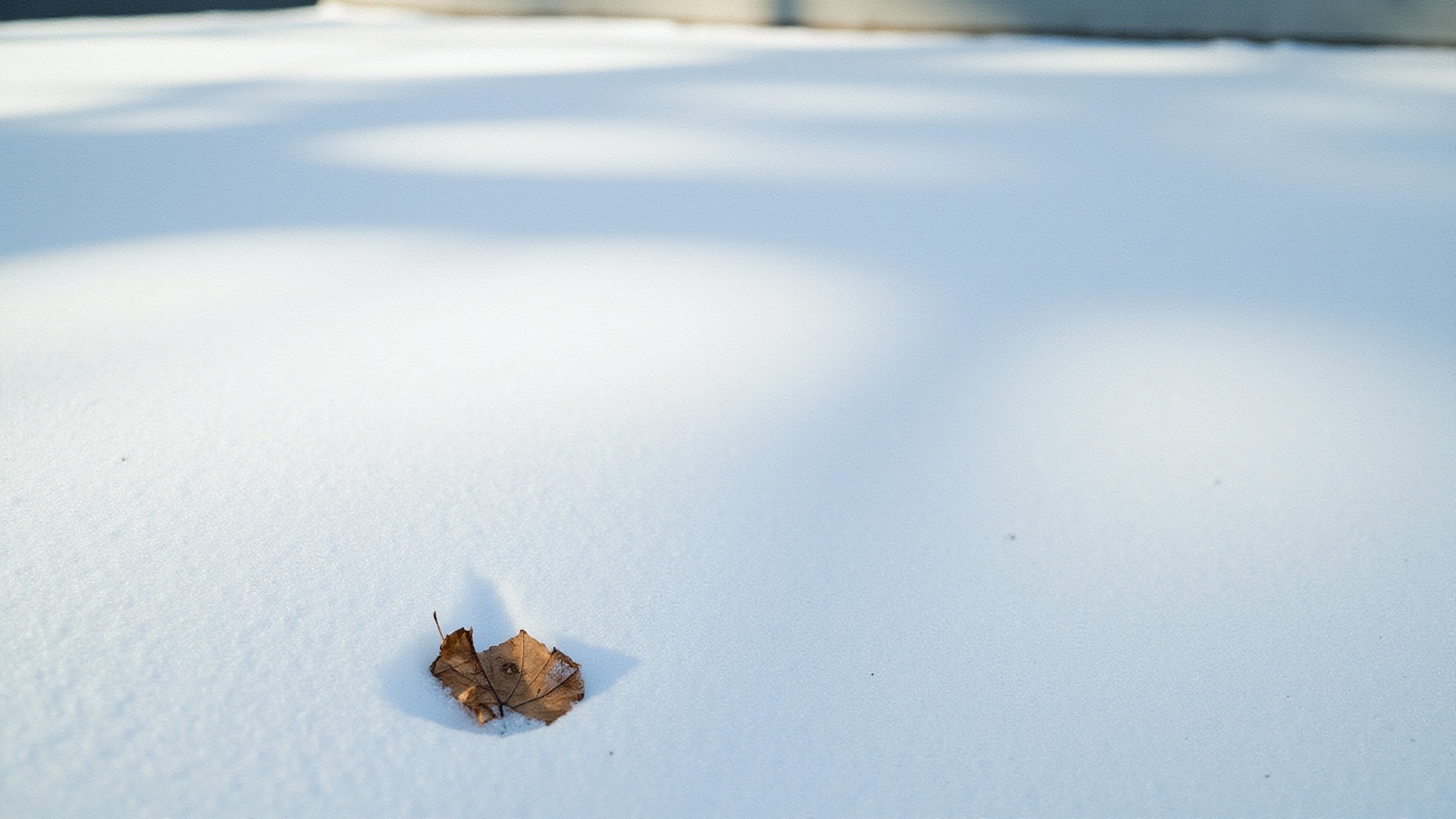
Snow began with a single question: what does freshly fallen snow actually smell like? Not the idea of winter, the thing itself. The creator wanted to translate that experience into something you could wear. The approach was to isolate the smell of snow as it falls, not what comes after. The result is a fragrance that smells like weather, not perfume. The composition captures that moment of stillness when snow blankets the world, when sound is muffled and the air itself seems to pause. There's a mineral crispness to it, a clean coldness that doesn't rely on typical masculine accords. Instead of reaching for familiar cold-weather ingredients, this fragrance attempts to recreate the scent of snow itself, that almost imperceptible smell of frozen water descending through still air.
Snow's structure is deliberately compressed. There is no traditional top-heart-base arc because there is no need for one, snow itself doesn't evolve. It sits. Then it melts. The composition creates something counterintuitive: a scent that smells like absence, like cold air, like the moment before sound. Fresh notes provide an ozonic quality, the kind of clean sterility you encounter when examining snow crystals up close, that sharp purity of frozen water. Earthy notes and dust represent what sits beneath, the mineral earth, the cold soil waiting under the blanket of white.
The evolution
The opening hits like stepping outside into cold winter air. That sharp, clean shock, almost static, that's snow forming overhead. For the first minutes, it's mineral and ozonic, clean and cold and still. Then it deepens slightly. The cold remains but gains texture, a faint damp earth beneath, the smell of soil that snow has just covered. The heart holds for a while, as long as snow itself might linger before the sun reaches it. What remains is a faint mineral trace and that earthy smell beneath, present for a while, like the memory of a snowfall already gone. The fragrance moves through its phases with the quiet inevitability of melting snow, each stage following naturally from the last.
Cultural impact
Snow is unusual. It doesn't smell like perfume, it smells like weather, and that makes it either fascinating or frustrating depending on what you're looking for. The approach recognizes something genuine: that translating a meteorological moment into a wearable form requires a different kind of creativity than traditional perfumery. The fragrance challenges assumptions about what a scent can represent, moving beyond the usual associations of cedar, spices, and florals into territory that feels more like atmosphere than art.