

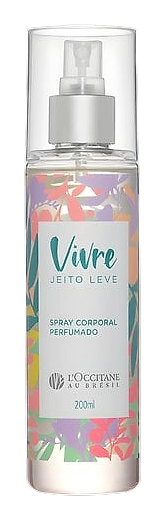
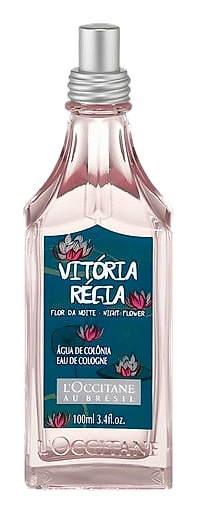
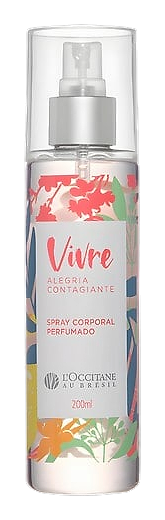
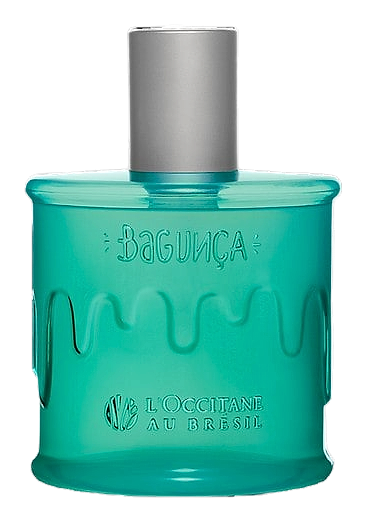
The Heritage
The Story of L’Occitane Au Brésil
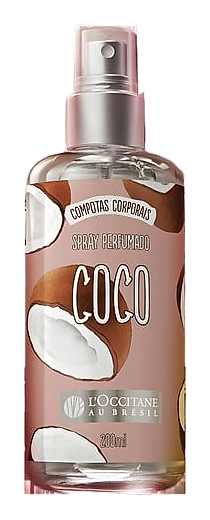
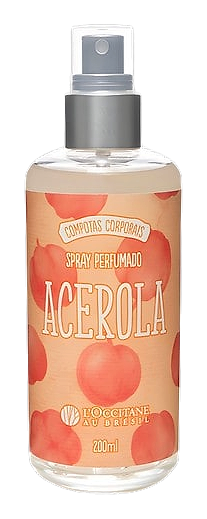
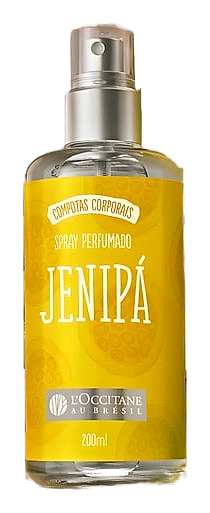
L'Occitane Au Brésil translates the spirit of Brazil into a line of skin‑care and fragrance that sits within the broader L'Occitane en Provence portfolio. The collection draws on Amazonian botanicals, coastal citrus and rainforest fruits, offering bright, tactile experiences that echo the country’s varied climates. Each product balances scent and texture, inviting users to explore a sensory map that feels both local and travel‑ready.
Heritage
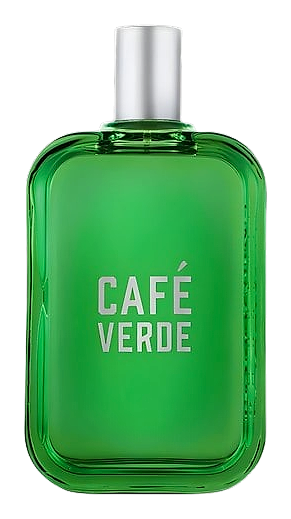
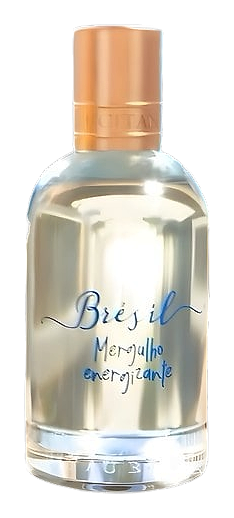
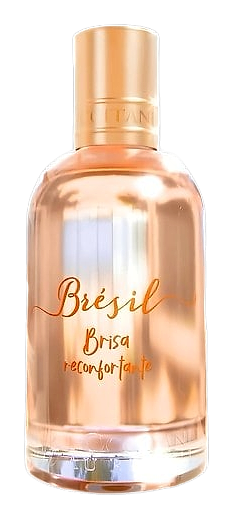
The story begins in 1976, when a 23‑year‑old Olivier Baussan opened a modest stall in the markets of Provence. He pressed wild rosemary and lavender into essential oils, then turned those extracts into simple soaps that quickly earned a loyal following. Over the next three decades, Baussan expanded the brand across Europe, introduced a line of skincare, and listed L’Occitane on the Hong Kong Stock Exchange in 2010. A curiosity for distant botanicals led the group to explore Brazil’s rain‑forest wealth in the early 2020s. Partnering with local growers, the company launched L’Occitane Au Brésil, a sub‑brand that celebrates the country’s native ingredients while respecting the ecosystems that nurture them. The debut collection arrived in 2020 with fragrances such as Vivre Jeito Leve and Brésil Brisa Reconfortante, each built around sustainably sourced citrus, fruit, and wood notes. In 2023 the line expanded to include Capim‑Limão Maracujá and Café Verde Safra, reflecting a growing dialogue between French craftsmanship and Brazilian terroir. Recent releases like Luz de Amburana (2025) and Brésil Mergulho Energizante (2024) demonstrate the brand’s commitment to continual discovery. Throughout its evolution, L’Occitane Au Brésil has kept the original ethos of hand‑crafted quality, turning every bottle into a small tribute to the people and plants that inspire it.
Craftsmanship
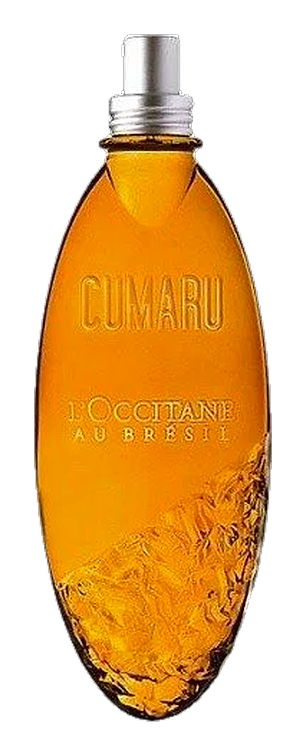
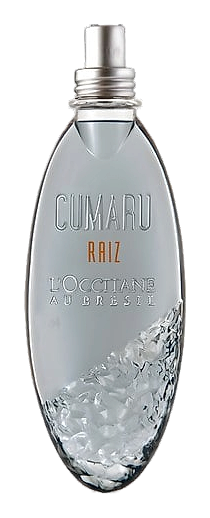
Every L’Occitane Au Brésil perfume begins with field research in Brazil’s native regions. The team travels with agronomists to locate small farms that grow amburana, cumaru, or acerola using traditional methods. Harvesters pick fruits and woods at peak ripeness, then hand‑transport them to nearby cooperatives where cold‑press or steam‑distillation extracts preserve the raw aroma. Sophie Truitard receives the pure essences and blends them in a Parisian laboratory, balancing bright top notes with a lingering base that reflects the ingredient’s origin. The house favors low‑temperature extraction to retain subtle nuances, and it limits batch size to maintain consistency. Once the formula is approved, the perfume is poured into glass bottles that are sealed with corks sourced from sustainable forests. Packaging materials include recycled paper and biodegradable inks, echoing the brand’s environmental pledge. Quality control includes blind testing by a panel of scent specialists and a final sensory review that ensures the fragrance performs well across skin types. Throughout the process, L’Occitane Au Brésil documents each step, providing transparency to consumers who value traceability.
Design Language
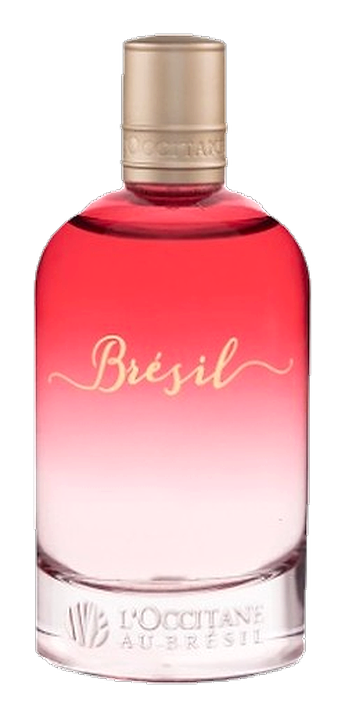
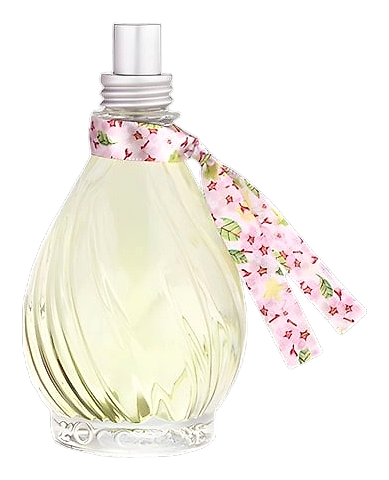
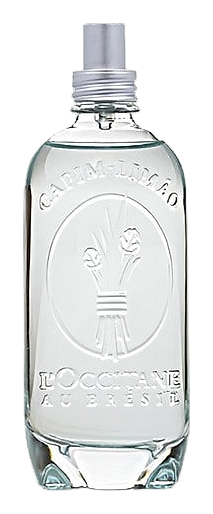
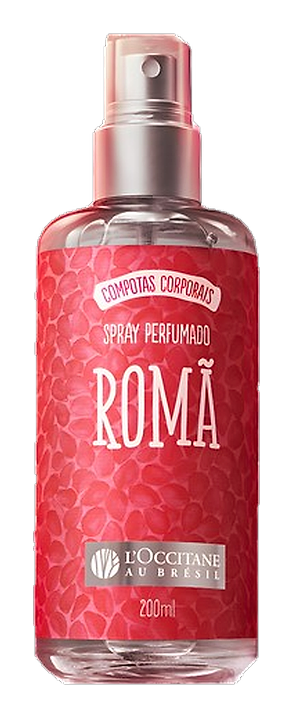
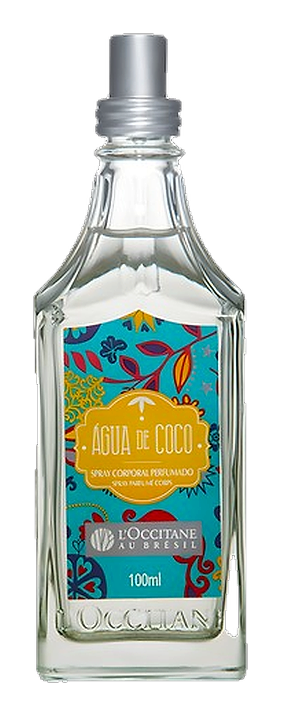
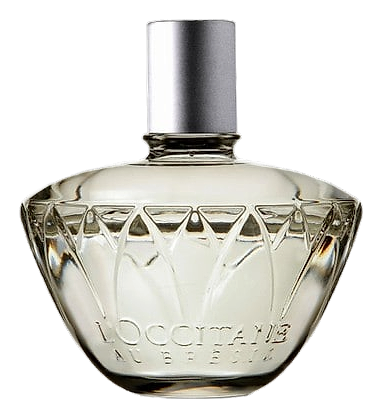
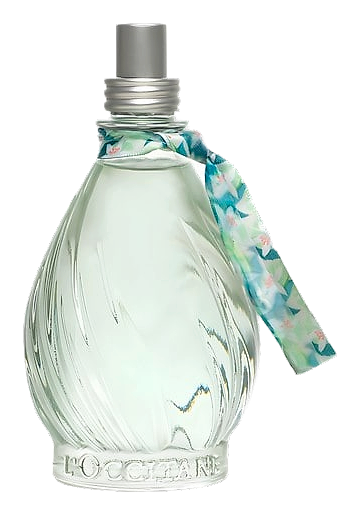
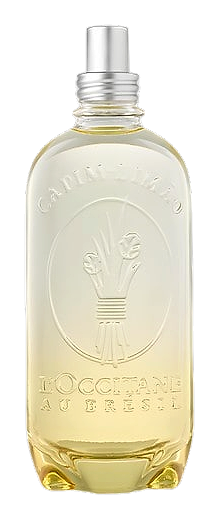
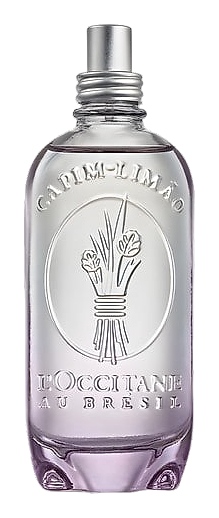
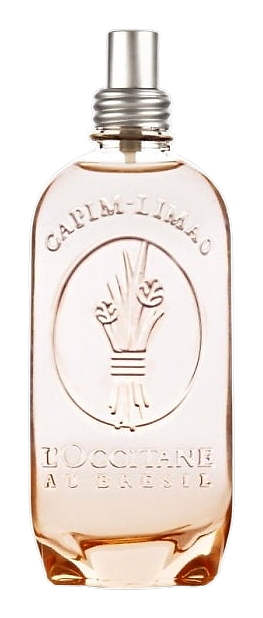
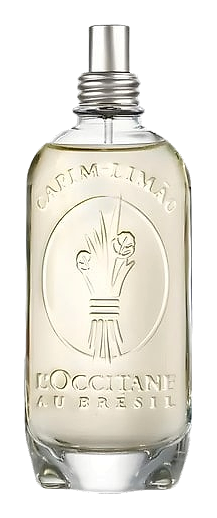
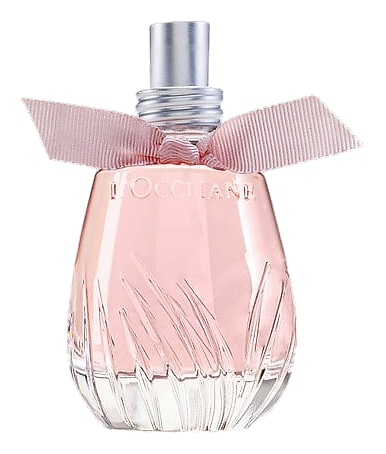
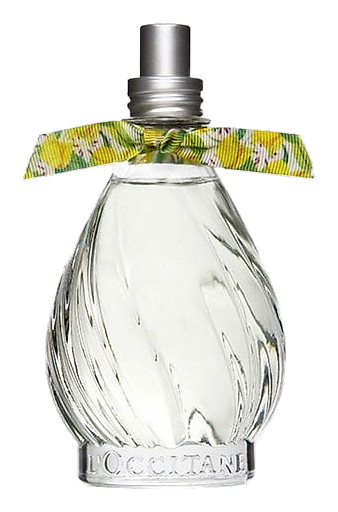
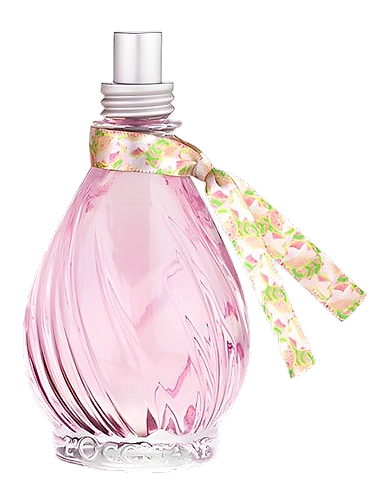
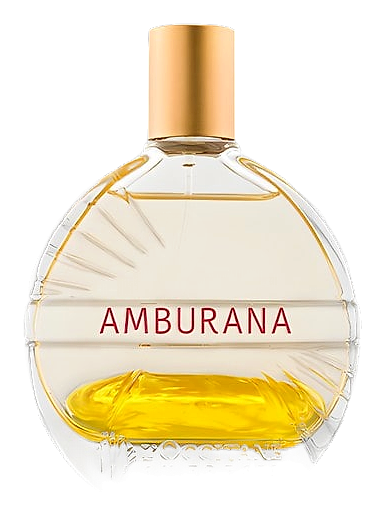
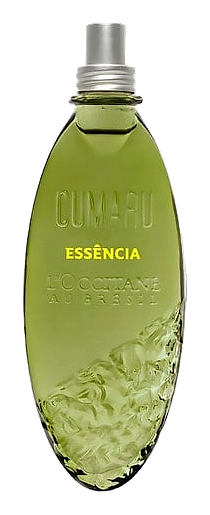
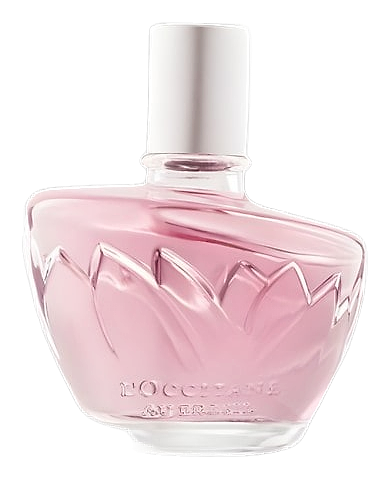
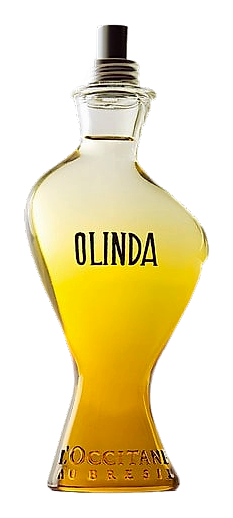
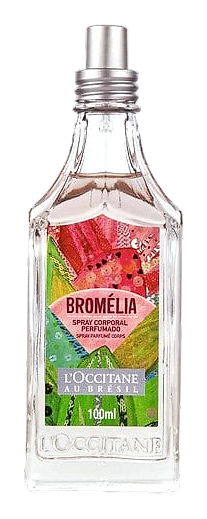
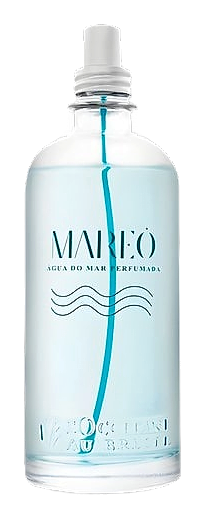
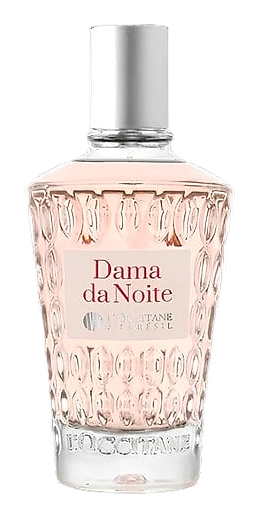
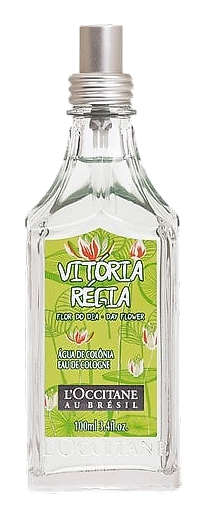
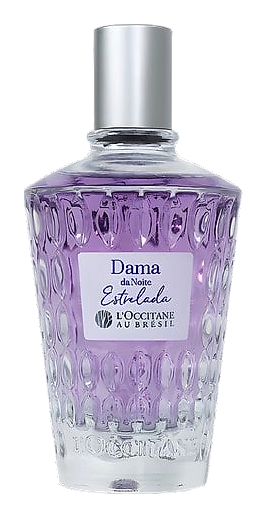
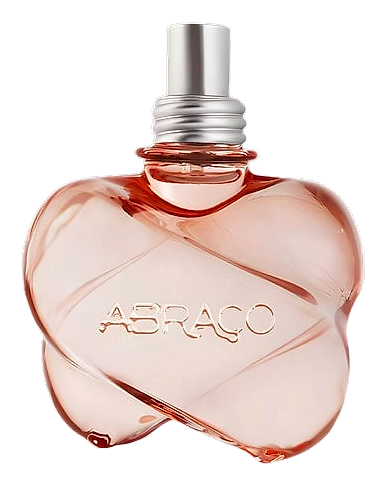
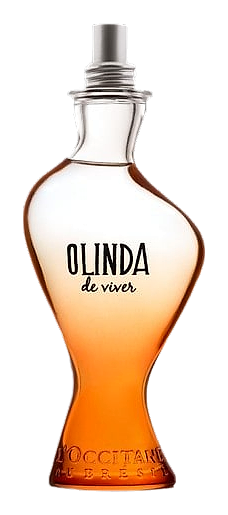
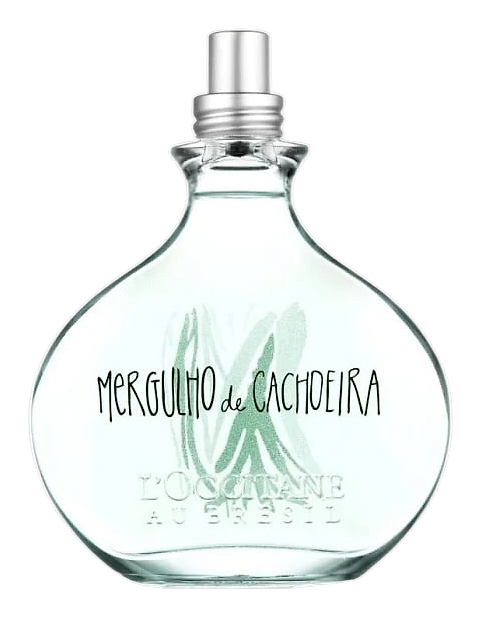
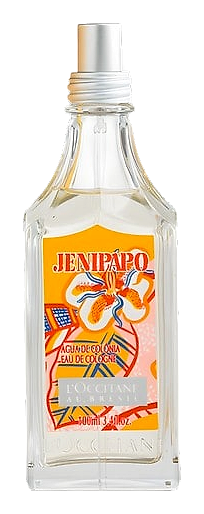
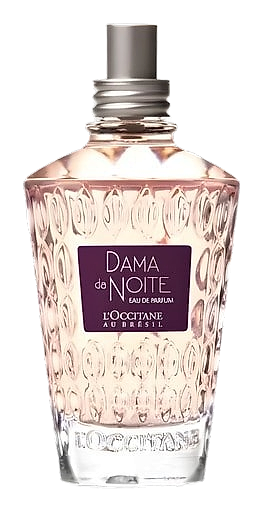
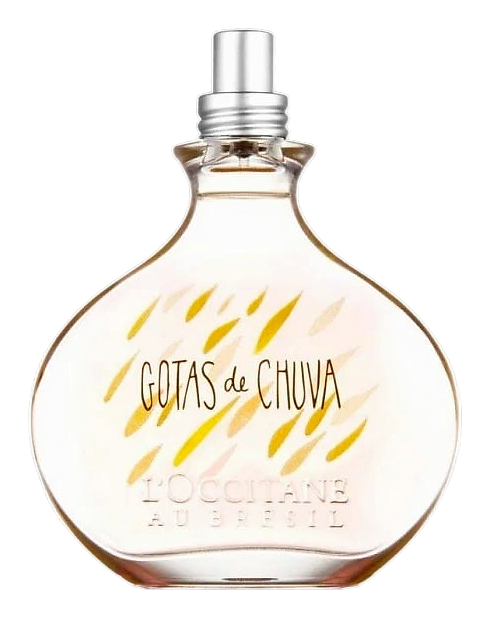
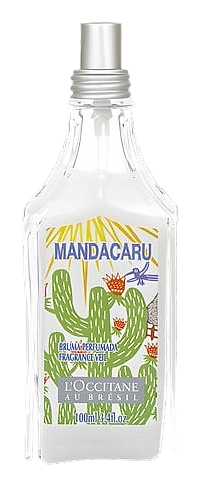
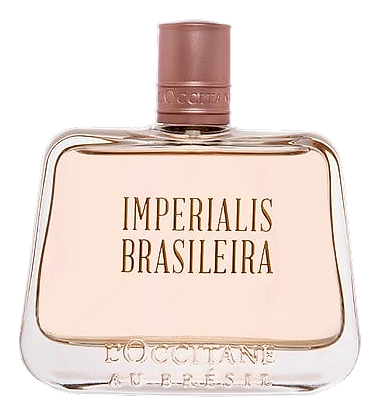
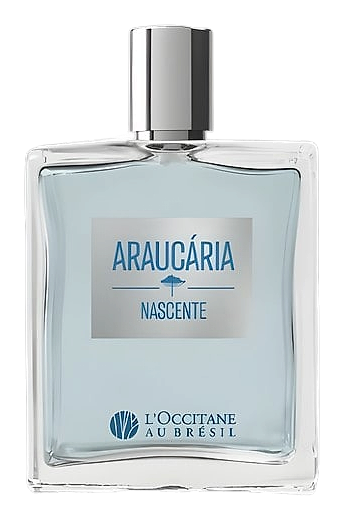
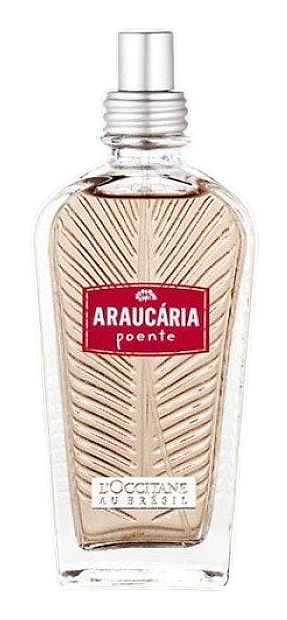
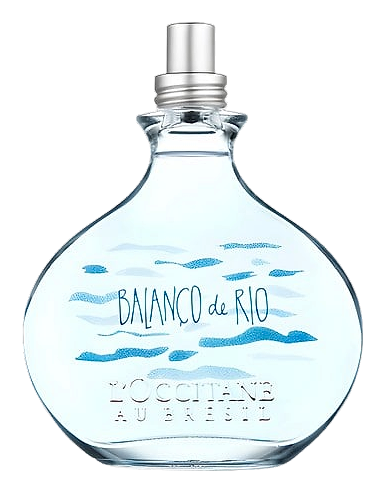
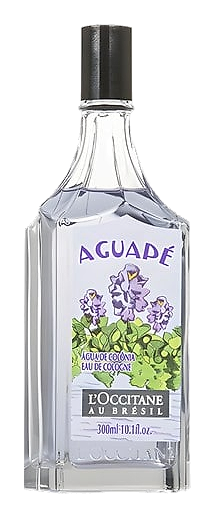
The visual language of L’Occitane Au Brésil mirrors the vibrancy of its source lands. Bottles feature clear glass that showcases the golden hue of cumaru or the pink blush of acerola, while the caps display a matte finish in tropical green or sunrise orange. Labels carry hand‑drawn illustrations by Brazilian artists, depicting local flora such as the delicate capim‑limão blade or the bold silhouette of a rainforest tree. The brand’s typography blends a clean sans‑serif with subtle cursive accents, hinting at both modern French design and Brazilian warmth. In‑store displays use reclaimed wood and woven fibers, creating a tactile backdrop that evokes a rainforest canopy. Limited‑edition releases receive special packaging—embossed boxes, biodegradable ribbons, and a small card that tells the story of the featured ingredient. Across digital channels, the brand employs soft, sun‑lit photography that captures droplets of water on leaves or the play of light through mist, reinforcing a sense of calm immersion. This cohesive aesthetic invites shoppers to experience the fragrance not only through scent but also through sight and touch.
Philosophy
L’Occitane Au Brésil believes that scent can echo the rhythm of a place. The brand looks to Brazil’s diverse biomes—coastal mangroves, Amazon canopy, cerrado savanna—and translates their character into fragrance families that feel both fresh and grounding. It places sustainability at the core of every decision, choosing ingredients that are harvested with minimal impact and that support local communities. The creative team, led by perfumer Sophie Truitard, treats each raw material as a story fragment, stitching together citrus bursts, tropical fruits, and warm woods into compositions that invite mindful moments. Rather than chasing trends, the house favors timeless accords that age gracefully on the skin, encouraging users to build personal rituals that celebrate nature’s cycles. The brand also integrates sensory texture beyond scent; body lotions, shower gels, and scented candles share the same botanical palette, reinforcing a cohesive experience from head to toe. By aligning fragrance with well‑being, L’Occitane Au Brésil aims to turn everyday care into a moment of quiet connection with the Brazilian landscape.
Key Milestones
1976
Olivier Baussan opens a stall in Provence, selling rosemary and lavender essential oils.
2010
L’Occitane lists on the Hong Kong Stock Exchange, expanding its global footprint.
2020
Launch of L’Occitane Au Brésil with the debut fragrances Vivre Jeito Leve and Brésil Brisa Reconfortante.
2023
Collection grows to include Capim‑Limão Maracujá and Café Verde Safra, deepening the Brazilian portfolio.
2024
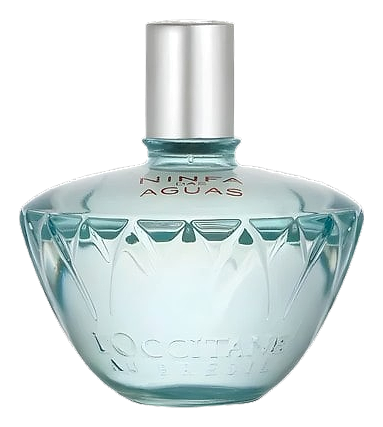
Release of Brésil Mergulho Energizante and Ninfa das Águas Fascínio, highlighting rainforest ingredients.
2025
Luz de Amburana debuts, showcasing sustainably sourced amburana wood.
At a Glance
Brand profile snapshot
Origin
France
Founded
1976
Heritage
50
Years active
Collection
1
Fragrances released
Avg Rating
4.4
Community sentiment
Release Rhythm


