The Story
Why it exists.
The beginning
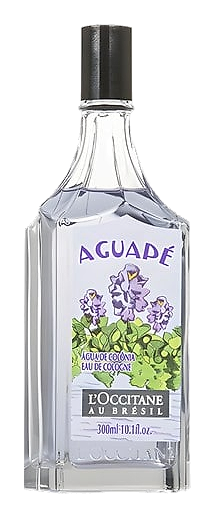
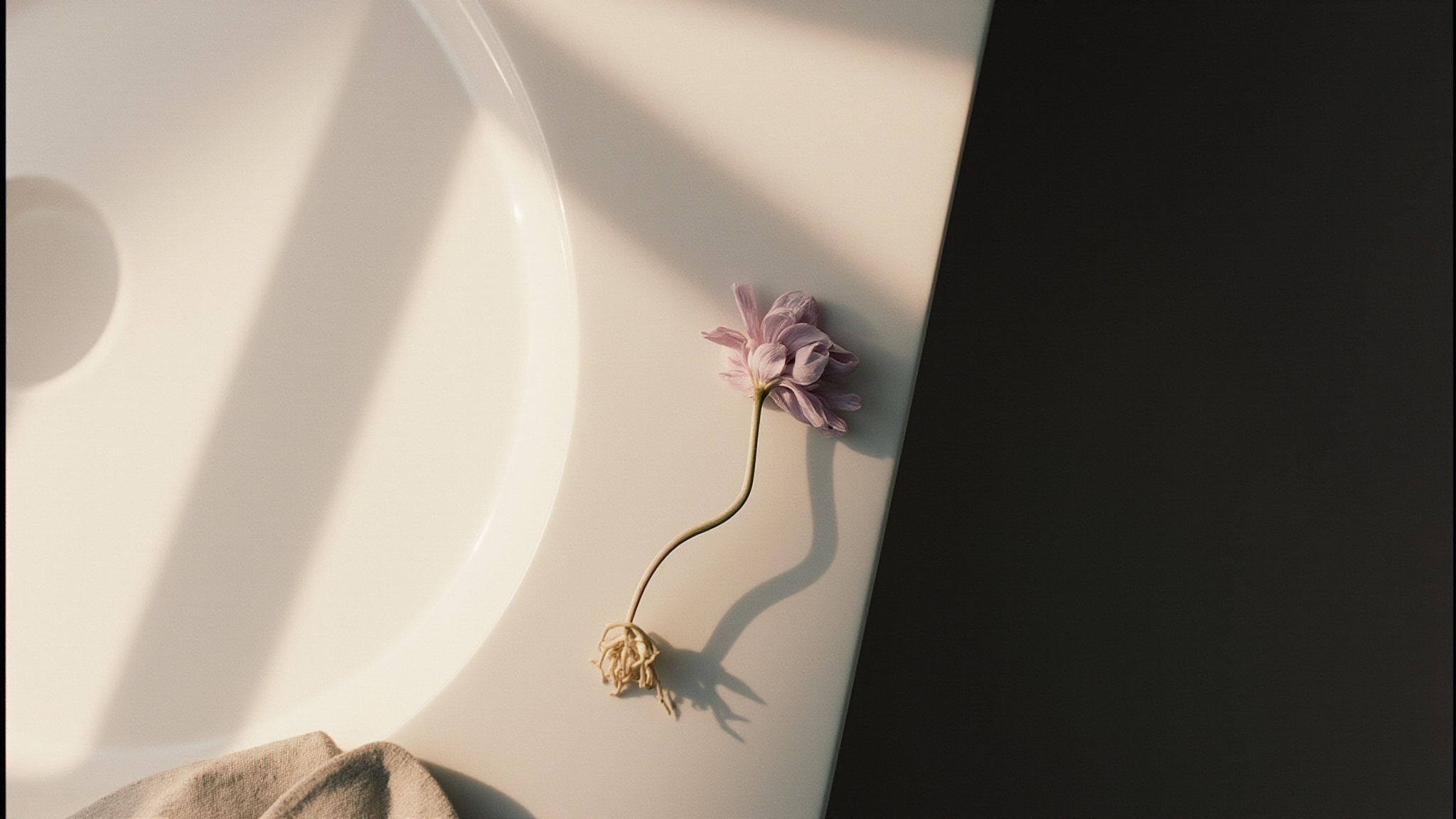
Aguapé takes its name from the Eichhornia crassipes, more commonly known as water hyacinth, a flowering plant native to the Pantanal wetlands of Brazil, where it drifts across the surface of lakes and slow-moving rivers in violet-blue clusters. L'Occitane Au Brésil found its muse in this botanical paradox: a flower that lives on water, rooted in nothing but drift. The fragrance translates that image directly, cool, still, weightless. Released in 2014, it arrived as part of the brand's exploration of Brazilian aquatic botanicals, designed to capture the meditative quality of still water rather than the performance of projection.
Water hyacinth is an unusual choice as a solo material. In perfumery, aquatic notes typically come from synthetics, calone, ambroxan, or marine accords, layered into compositions to suggest sea air or rain. Using a botanical water flower as the sole named ingredient is a quieter statement. It means this fragrance isn't trying to recreate an ocean or a storm. It's attempting something harder: the smell of still water itself, with the faint green of submerged stems and the delicate sweetness of a flower that bloomed without asking to be noticed. That restraint is the whole point.
The evolution
The opening arrives immediately, cool, moist, almost mineral. There's no citrus to announce it, no spice to warm the entry. Just the sensation of water, slightly sweetened by the flower it carries. Within 20 minutes, the aquatic quality softens and becomes more intimate, sitting close to the skin like condensation on glass. The heart phase maintains this character: watery, green, delicate. It doesn't evolve dramatically, it's not built to. After 2-3 hours, the aquatic note begins to recede, leaving something faintly green and clean on the skin, then fading entirely into bare skin warmth. By the end, it's gone quietly, without fanfare.
Cultural impact
Aguapé occupies a quiet corner of the aquatic-floral space, delicate where others aim for dramatic, intimate where others project. It doesn't shout, and it doesn't linger. For wearers who find most aquatic fragrances too synthetic or too bold, this single-note botanical approach offers something gentler and more naturalistic. The Pantanal inspiration gives it a specific geographic identity that few aquatics bother to claim.