The Story
Why it exists.
The beginning
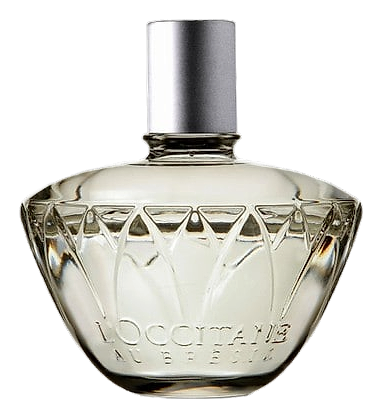
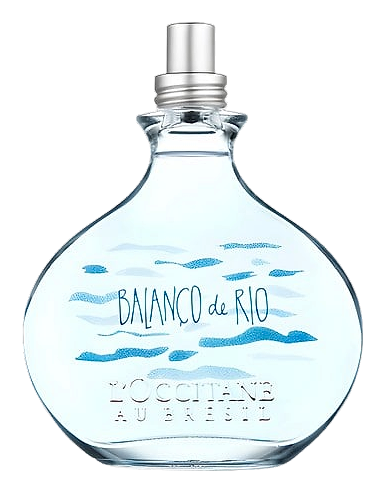
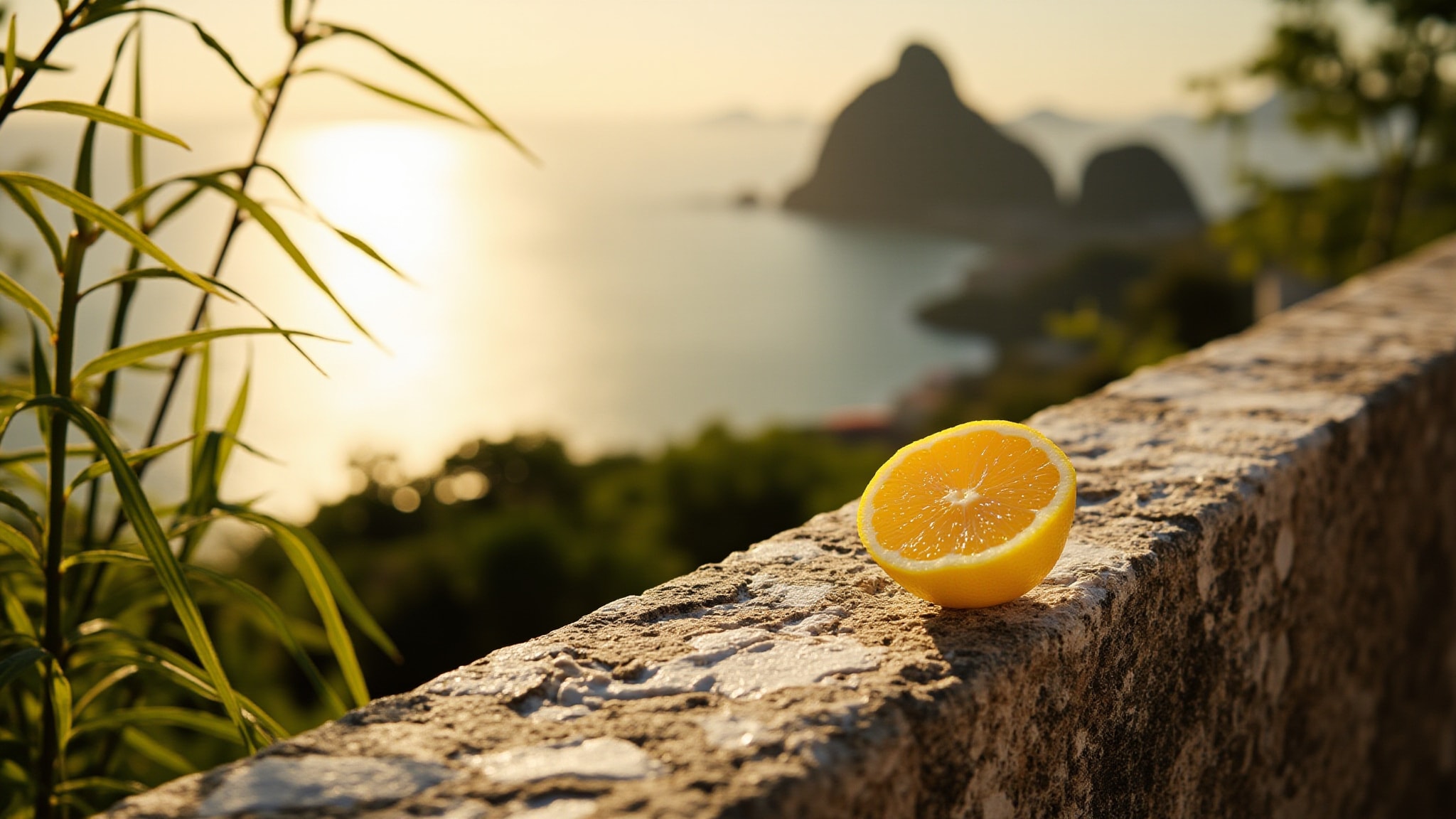
Balanço de Rio was released in 2016 as part of L'Occitane Au Brésil's debut fragrance collection, capturing the sensory identity of Rio de Janeiro in a bottle. The name itself, Balanço, meaning swing, evokes the rhythm of the city: the sway of palms in coastal wind, the pendulum energy of a place that moves differently. Perfumer Sophie Truitard built the composition around two unexpected materials: bamboo and lemon, sourced through the brand's network of Brazilian cooperatives. The idea was to translate not the tourist's Rio of postcards and sunsets, but the Rio that locals breathe daily, humid, green, and perpetually in motion.
What makes this composition unusual is the repeated presence of bamboo across both top and heart notes. In most Western perfumery, bamboo functions as an abstract green accord, a placeholder for freshness without a specific botanical identity. Here, the material reads more literally: there's a crisp, slightly aquatic quality to it, something between cut grass and wet stone. Paired with lemon, it creates a fragrance that feels more like morning dew than perfume, unhurried, present, refusing to perform. The citrus doesn't punch; it illuminates. It's a quiet confidence, not a statement.
The evolution
The opening lands clean and immediate, lemon zest bright enough to catch light, bamboo following seconds later with its cool, green stillness. There's no delay, no negotiation. For the first thirty minutes, these two notes share the stage in near-equal measure, the citrus gradually softening while the bamboo holds its shape. Then the lemon begins to recede, leaving the bamboo as the dominant voice, still fresh, but deeper now, with an aromatic quality that borders on herbal. By the third hour, the composition has settled into something quieter and more intimate, a faint woody-green presence that clings close to the skin. It doesn't project much. But it lingers.
Cultural impact
Part of a broader collection released by L'Occitane Au Brésil in 2016, Balanço de Rio sits within a family of fragrances built around Brazilian botanicals, acerola, cumaru, amburana. The collection arrived as the parent brand sought to expand its geographic identity beyond Provençal lavender and rosemary. For wearers seeking citrus-fragrance alternatives to Mediterranean compositions, this offered something different: a Brazilian coastal freshness that reads as green rather than sunny.