The Story
Why it exists.
The beginning
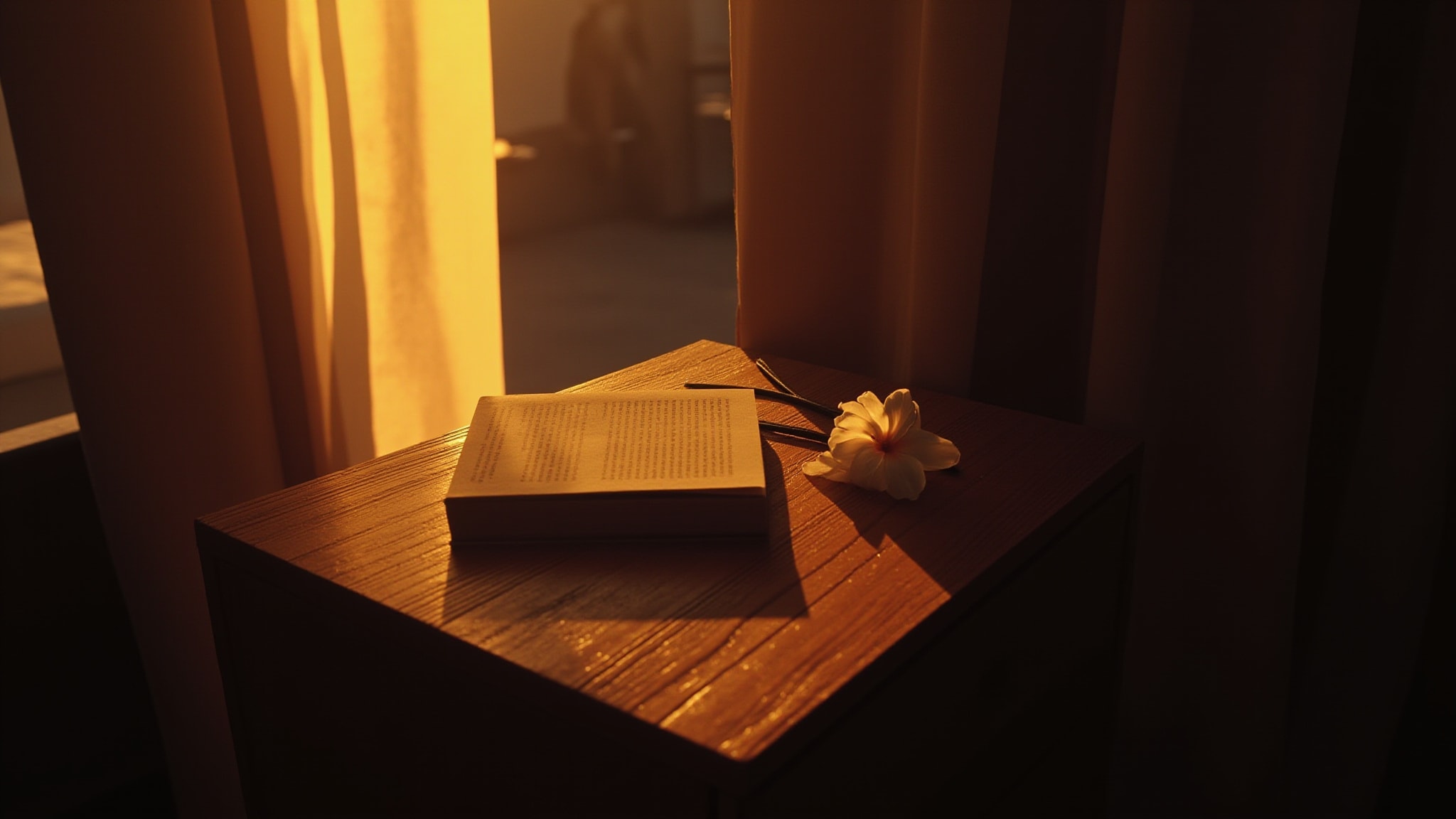
The night-blooming jasmine has a reputation in Brazilian gardens. During the day, it hides, plain green leaves, nothing to write home about. But once the sun drops, everything changes. Tiny star-shaped petals open all at once, and the air turns thick and sweet enough to stop you mid-step. L'Occitane Au Brésil named this fragrance after that exact moment, Dama da Noite, the Lady of the Night. Perfumer Marion Costero wanted to capture not just the flower's scent, but its personality: patient, then bold. The composition doesn't announce itself. It arrives.
What makes this work is the tension between restraint and release. The jasmine is the star, but it doesn't enter alone. Cardamom gives it an edge, warm spice that keeps the sweetness from becoming precious. Lavender grounds everything, adding an aromatic coolness that feels less like a garden and more like the air just after rain. Mandarin cuts through at the start, a bright flash that signals something is coming. Together, these notes create a white floral that doesn't smell like everyone else's white floral. It smells like a specific hour, the one when the garden stops pretending to be innocent.
The evolution
The opening is all mandarin and cardamom, a citrus-spice combination that reads clean and awake. For the first twenty minutes, the jasmine is there but waiting. Then the lavender arrives, softer than expected, and suddenly the composition shifts. The floral note emerges fully, no longer shy, carrying the warm spice underneath like a bass note. It holds there for a few hours, present without overwhelming. The drydown is where the fragrance earns its name. The jasmine lingers, slightly powdery, slightly animal, the kind of sweetness that stays close to the skin rather than announcing itself across a room. On fabric, it lasts into the next day. On skin, count on four to six hours before it fades to a quiet whisper.
Cultural impact
Dama da Noite sits in a specific niche: white florals for people who find most white florals too much. The night-blooming jasmine note distinguishes it from garden-variety jasmine fragrances, offering something with more restraint and more mystery. It performs best in cooler months, spring evenings, autumn nights, when the jasmine's quiet intensity matches the season.