The Story
Why it exists.
The beginning
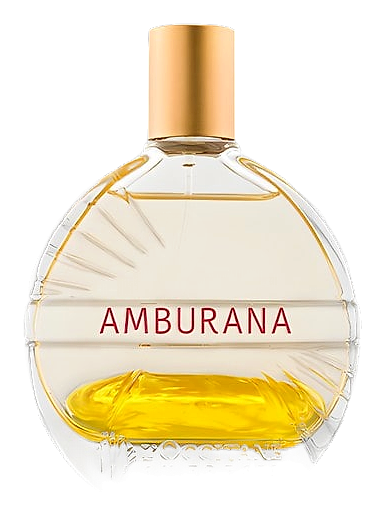
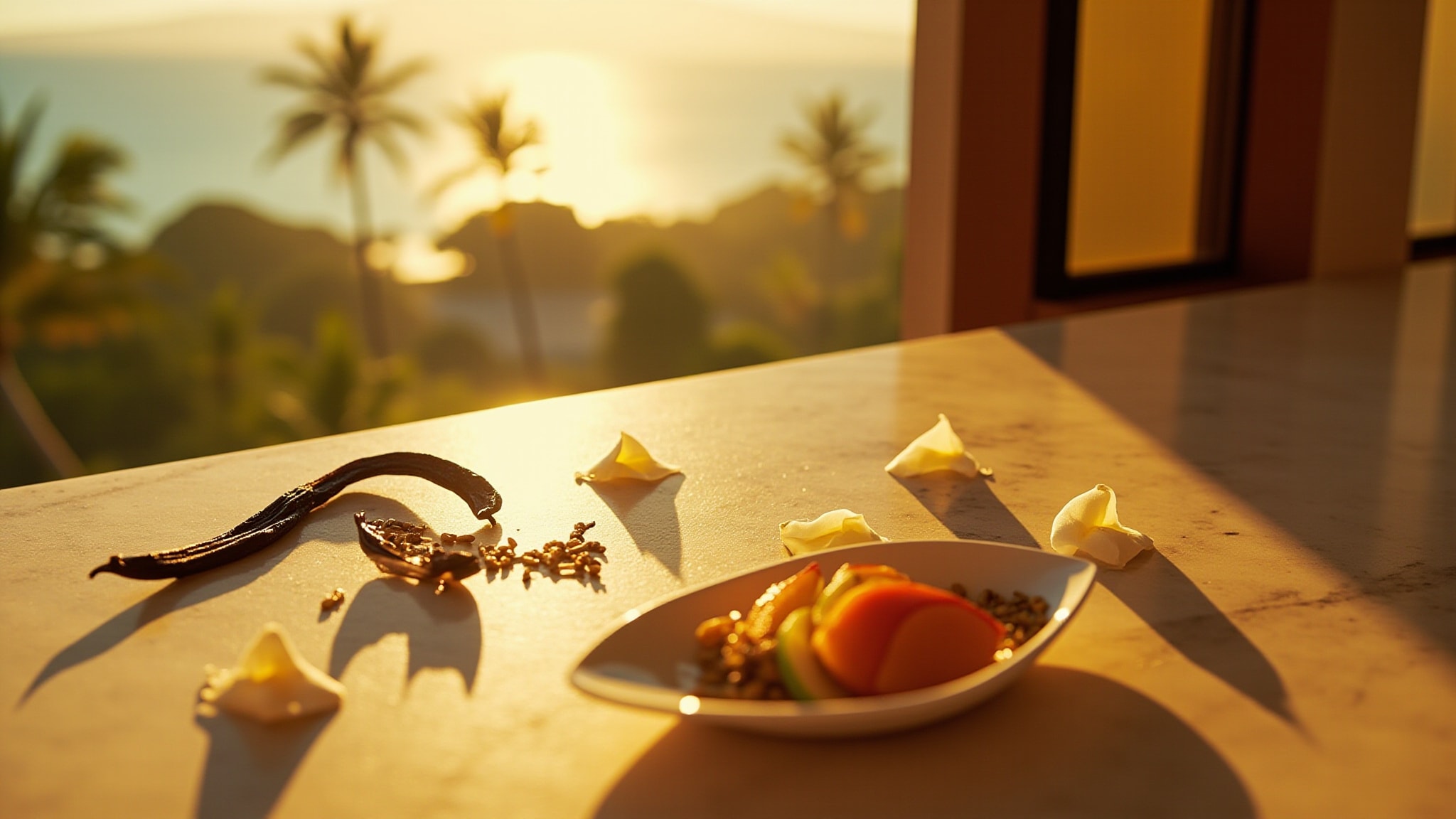
Luz de Amburana translates the sensory map of Brazil into a single bottle. 'Luz' means light, the golden, late-afternoon light that falls across the coast and rainforest canopy. 'Amburana' names a Brazilian tree whose wood carries warm, sweet-spicy character. The fragrance captures that duality: the brightness of tropical air and the depth of warm wood. Sophie Truitard built the composition around frangipani and magnolia, two flowers that grow abundantly across Brazil's gardens and coastal regions. Against them, she placed a base of vanilla, benzoin, and sandalwood that settles into skin like warmth retained after sunset. The biphasic formula, oil suspended in fragrance, creates a pearlescent sheen when applied, translating the brand's philosophy of scent as texture into something you can see.
The biphasic formula sets this apart from the standard tropical floral. When you shake the bottle, two phases mix into one, the oil floats, catches light, then disperses into skin as a fine, luminous veil. That texture is intentional: L'Occitane Au Brésil treats scent as something tactile, not just olfactory. The top accord opens with tropical fruits, pineapple, apple, bergamot, giving an immediate burst of sunshine. But the heart is where the fragrance earns its name. Frangipani and magnolia are creamy, almost buttery florals that don't shout. They settle. They hug. Against them, jasmine and rose add a quiet complexity that stops the composition from reading as simple dessert.
The evolution
The opening arrives fast: tropical fruits and bergamot create an immediate burst of brightness that feels coastal, sun-drenched. Pineapple adds a tart edge that keeps it from reading as sweet. This phase lasts maybe thirty minutes before the florals begin to assert themselves. Frangipani and magnolia take over the heart. Creamy, almost buttery, they settle into skin rather than projecting outward. Jasmine and rose add quiet complexity, the rose is soft, not rosy in the traditional sense, more a whisper of warmth. This is the fragrance's most distinctive phase: intimate, warm, unhurried. The drydown belongs to vanilla, benzoin, and sandalwood. The vanilla doesn't sweeten, it deepens, almost resinous, transforming from dessert into something more contemplative. Cashmeran adds a powdery softness that extends the sillage without pushing it outward. Benzoin and sandalwood linger longest, often detectable the next morning if applied the night before. On some skin, the drydown stays close and intimate, the sillage reads as moderate, almost shy.
Cultural impact
Luz de Amburana enters the market during a period of growing global interest in Brazilian perfumery, reflecting a shift toward botanical storytelling rooted in place-based identities. L'Occitane Au Brésil has positioned itself to bridge artisanal Brazilian craft with accessible luxury, and this fragrance represents that intersection through its use of amburana wood, a native Brazilian tree historically significant in folk medicine and local traditions. The biphasic format also signals a move toward texture and experience in fragrance design, appealing to consumers who seek novelty beyond simple scent profiles.