
The Story
Why it exists.
The beginning
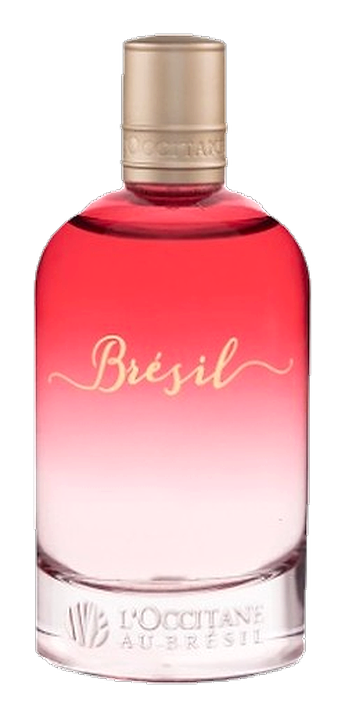
The bromeliad family covers hundreds of species across Latin America, a plant that collects its own water, survives on almost nothing, and blooms in colors that look edited. L'Occitane Au Brésil built its identity around Brazil's botanical wealth, and Bromélia was crafted with one of those native flowers at the center of the composition. Launched in 2014, the fragrance takes its name from the plant itself rather than a place or memory, which is fitting, because the flower is the whole story here. The idea was simple: let the bromeliad speak without translation.
What makes bromeliad interesting as a fragrance note is that it doesn't behave like a typical floral. The flower carries a fresh, almost green quality alongside its sweetness, something that reads as tropical without relying on coconut or mango. In Bromélia, that quality anchors the composition. The sweetness is real, not constructed from syntheticmusk to simulate fruit. There are no shortcuts in the pyramid, the bromeliad does the work that a more complex blend might delegate across three notes.
The evolution
The opening arrives quickly, a burst of fresh floral sweetness that reads as pure and intentional, not artificially amplified. Green undertones emerge as the scent develops, keeping the sweetness from becoming cloying. The heart holds before the fragrance settles into something softer, less immediate. What remains in the drydown is a quiet warmth that stays close to the skin rather than projecting outward. The longevity on most skin types follows a reliable arc. The sillage stays moderate throughout, which means the fragrance works best as a personal presence rather than a room-filling statement. Day wear suits it better than evening, spring and summer more than fall and winter.
Cultural impact
Bromélia represents L'Occitane's commitment to Brazilian botanical heritage, translating a tropical flower's scent into a distinctive fragrance. The use of bromelia, a plant native to Central and South America, connects the scent to regional botanical traditions. The 2014 launch reflects the brand's focus on Brazilian-inspired scents, using an ingredient whose story matters as much as the scent itself.