Bromelia
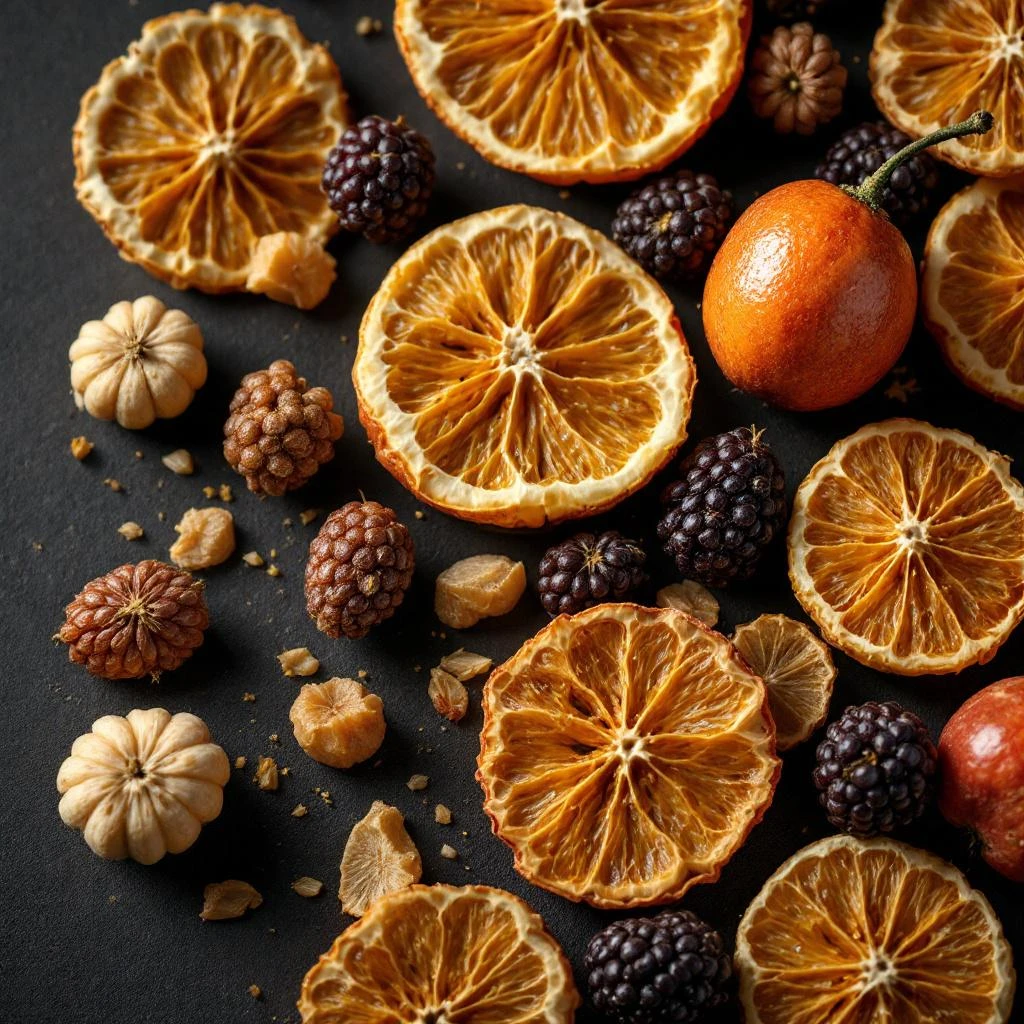
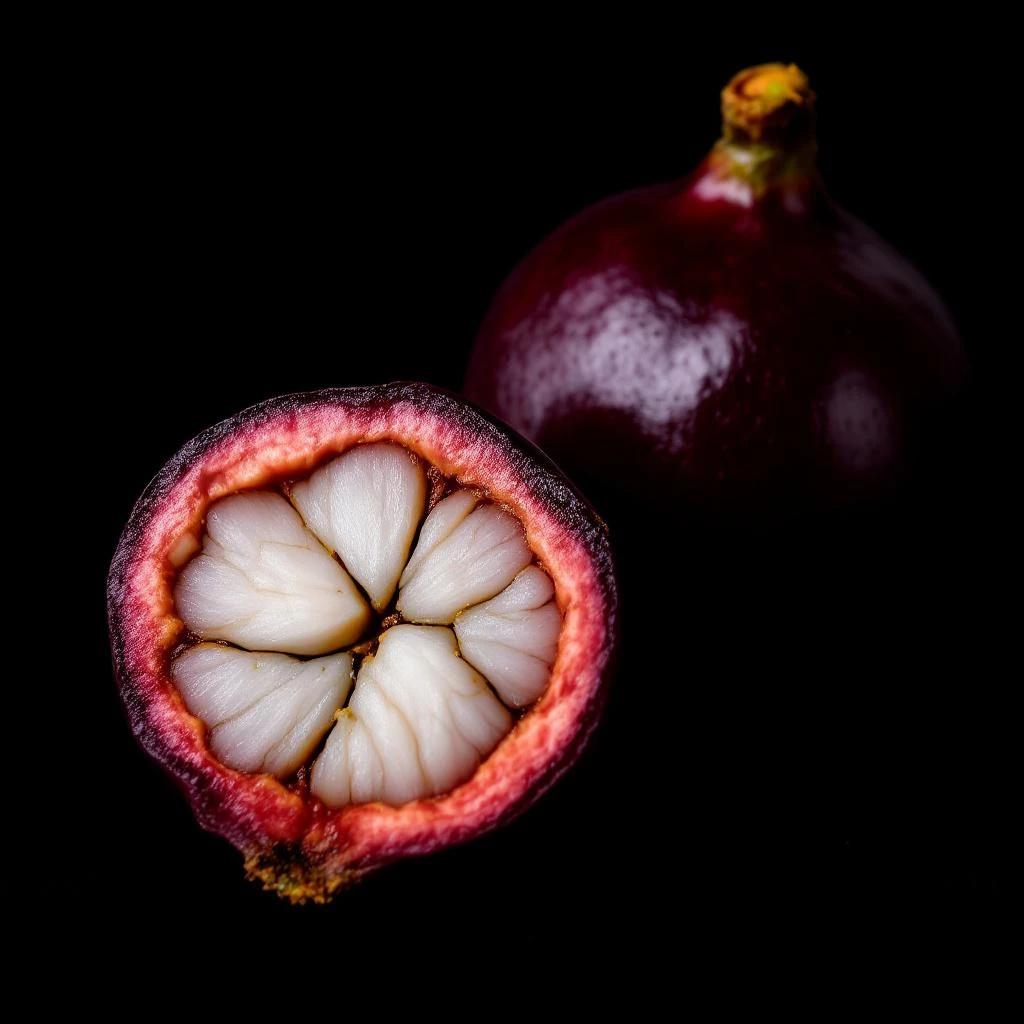
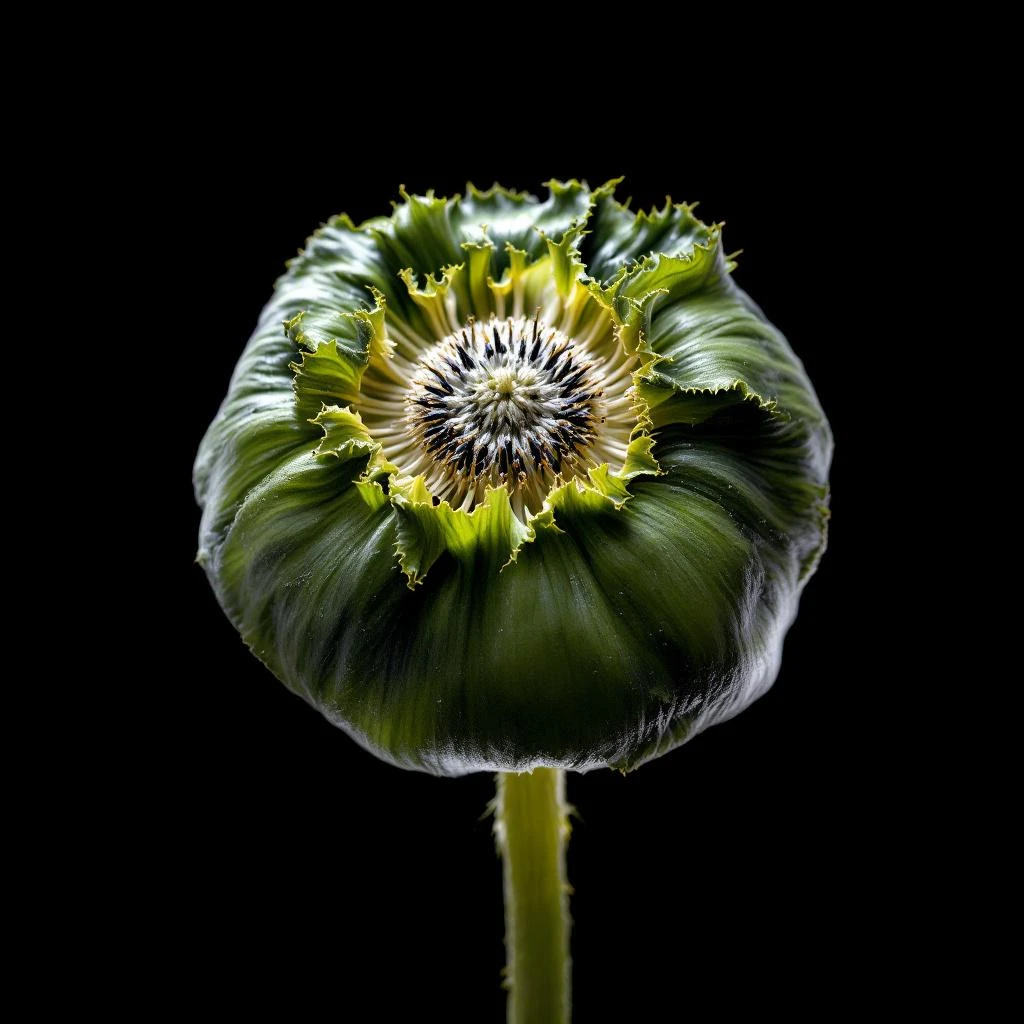
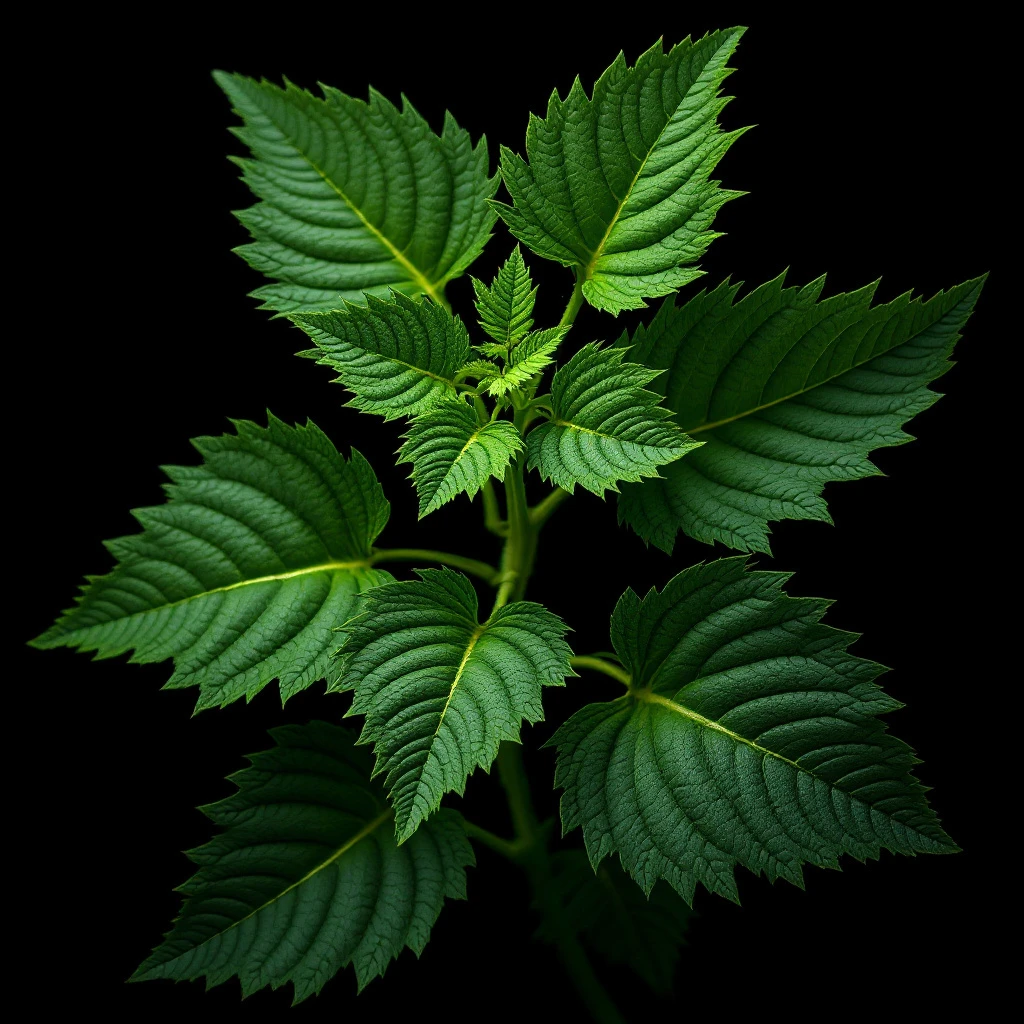
Bromelia brings tropical vibrancy to perfumery through its enzyme-rich fruit, offering a fresh, slightly acidic sweetness with exotic undertones that evoke sun-drenched forests. This botanical captures the essence of Latin American landscapes where indigenous cultures first discovered its aromatic potential centuries ago.

Character
How it smells
Tropical enzymes captured in every note
The same enzyme family (bromelain) found in bromelia fruit is prized in skincare for its gentle exfoliating properties, linking beauty and fragrance traditions.



Origin
Guatemala
Indigenous peoples of Central America discovered bromelia's aromatic and practical properties centuries before European contact. Traditional perfumers in Guatemala and Mexico incorporated the fruit into ceremonial scents and everyday fragrances. Spanish colonial记录 document traders carrying bromelia preparations alongside cacao and vanilla along pre-Columbian trade routes.
During the 18th and 19th centuries, as European perfumers sought new exotic materials, bromelia began appearing in fragrance compositions through imported extracts. The ingredient never achieved the widespread popularity of vanilla or jasmine, but it maintained a presence in tropical and chypre formulations. Contemporary perfumers rediscover bromelia as consumers seek underrepresented botanical ingredients.
Its scarcity and extraction challenges keep it rare in mainstream perfumery, making it a distinctive choice for niche creations.
Wears it best
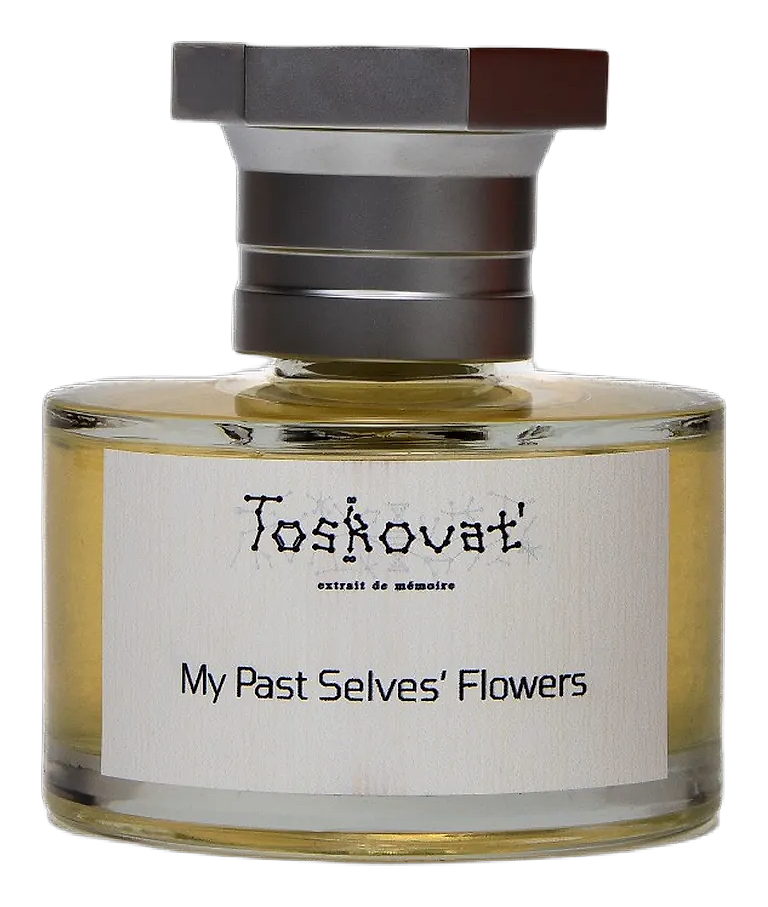
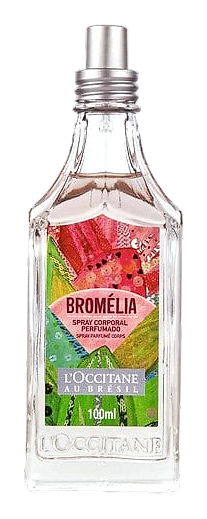
Fragrances featuring Bromelia
Brands
Brands known for Bromelia
Good to know
Questions, answered
The essentials on Bromelia in perfumery: how it smells, where it comes from, and how it behaves on skin.
What does Bromelia smell like?
Bromelia offers a fresh, tropical scent with sweet and slightly acidic notes reminiscent of pineapple and guava, balanced by subtle green undertones from the fruit enzymes.
Is Bromelia a natural or synthetic ingredient?
Bromelia is a natural ingredient extracted from the fruit of Bromelia plants, though synthetic analogs exist for cases where supply cannot meet demand.
What gives Bromelia its characteristic scent?
Proteolytic enzymes in the fruit pulp, combined with volatile esters and fruity aldehydes, create its distinctive tropical aroma profile.
Why is Bromelia rarely used in perfumery?
The ingredient requires careful cold-chain handling from harvest to extraction, limiting large-scale production and making it a specialty material.
Does Bromelia appear in any famous fragrances?
Bromelia appears as a supporting note in several tropical and niche fragrances, though it rarely features as a dominant ingredient in well-known compositions.
What extraction method preserves Bromelia's qualities best?
Cold pressing best preserves bromelia's delicate enzymes and aromatic compounds, though it yields less than heat-assisted extraction methods.
Which fragrance families pair well with Bromelia?
Bromelia complements tropical, fruity, chypre, and green fragrance families, adding depth and exotic freshness to these compositions.
What role does origin play in Bromelia quality?
Guatemalan and Central American origins produce fruit with higher enzyme activity due to optimal growing conditions near the 15th parallel north.