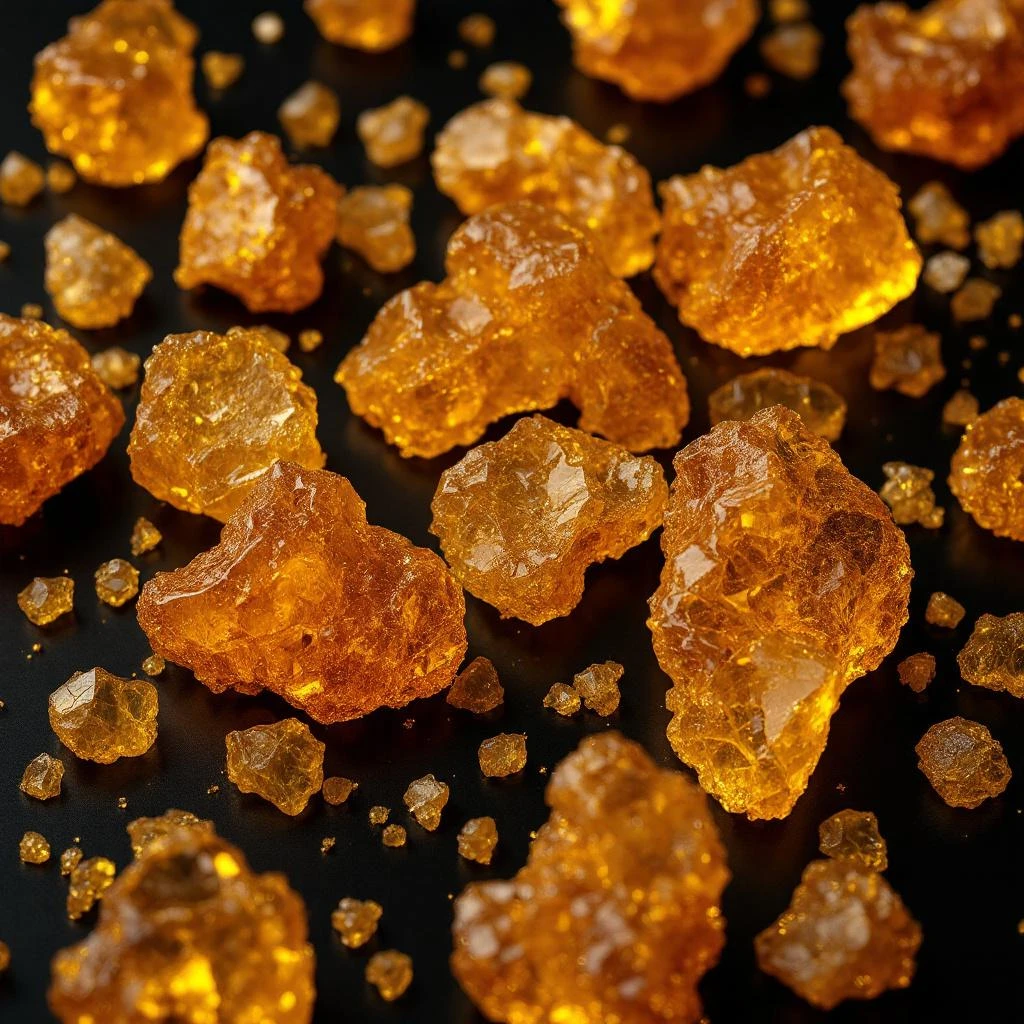
Dragon Blood Resin
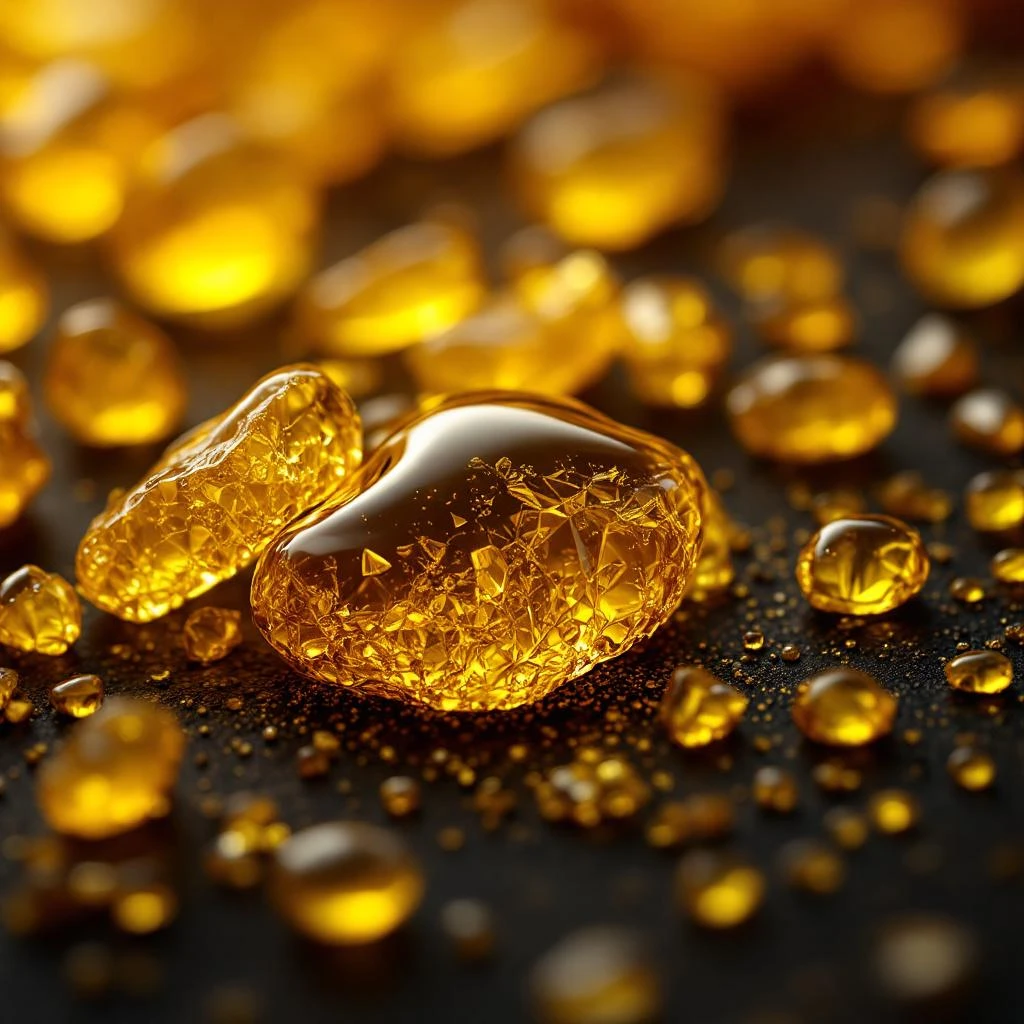
Dragon Blood Resin, a crimson exudate from the rattan palm Daemonorops draco, delivers a sweet‑earthy aroma that recalls burnt sugar and soft incense, making it a striking note in niche perfumery.
Character
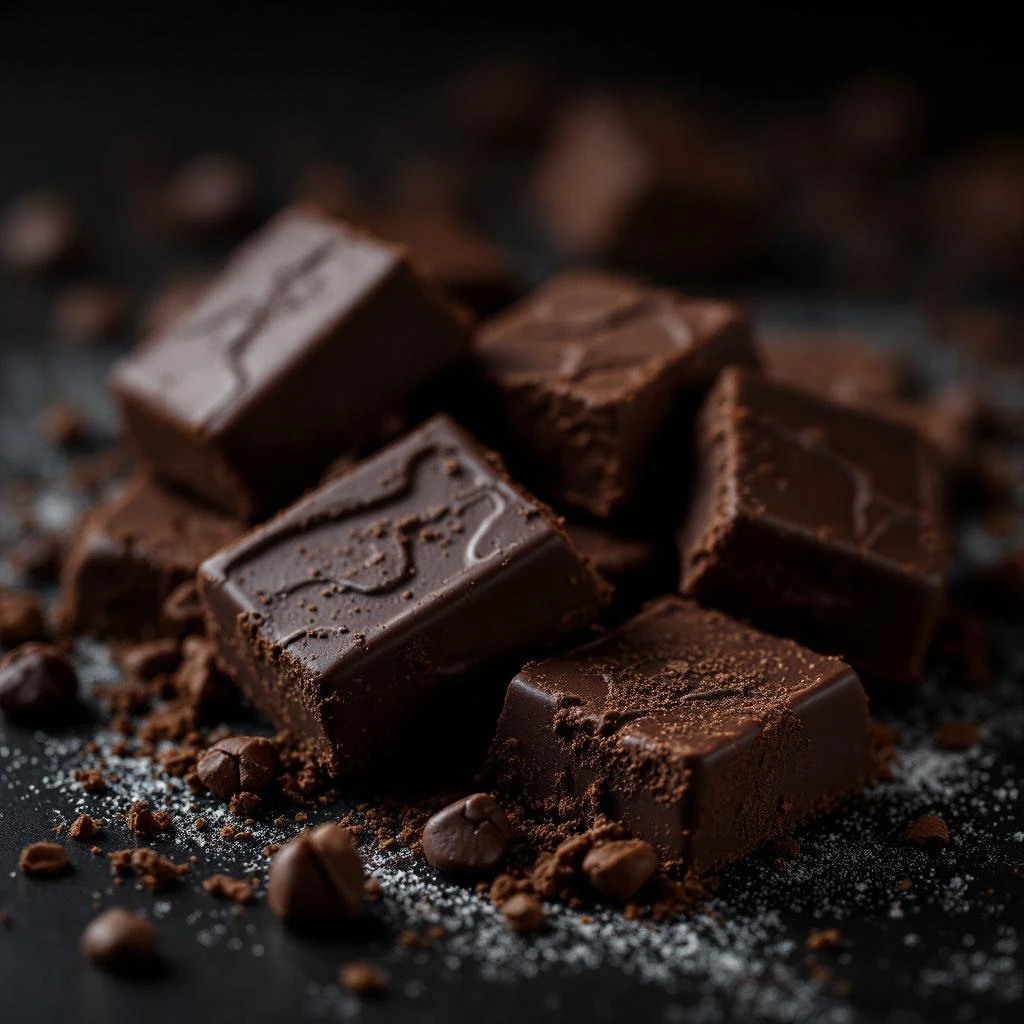
How it smells
Crimson resin, sweet earth, timeless allure.
Dragon Blood resin once served as a royal sealant in ancient Yemen, where its vivid red droplets were mixed with wax to protect scrolls and armor.




Origin
Yemen
Dragon Blood resin first entered recorded history along the Incense Road that linked the Arabian Peninsula with the Mediterranean. Traders carried the bright red droplets from the Socotra islands to Egypt, Greece, and Rome, where merchants prized the material for its vivid hue and aromatic qualities. Ancient Egyptians mixed the resin with myrrh to embalm royalty, believing its scent protected the soul.
In medieval Europe, alchemists listed dragon’s blood among the seven essential substances for creating protective talismans. Ayurvedic texts from India describe the resin as a wound‑healing agent, citing its antimicrobial properties. The resin also appeared in traditional Chinese medicine, where monks burned it during rituals to cleanse sacred spaces.
By the 19th century, European perfumers began experimenting with the resin’s sweet‑earthy profile, incorporating it into early oriental fragrances. Today, small cooperatives on Socotra harvest the resin using age‑old techniques, preserving a lineage that spans millennia.
Wears it best
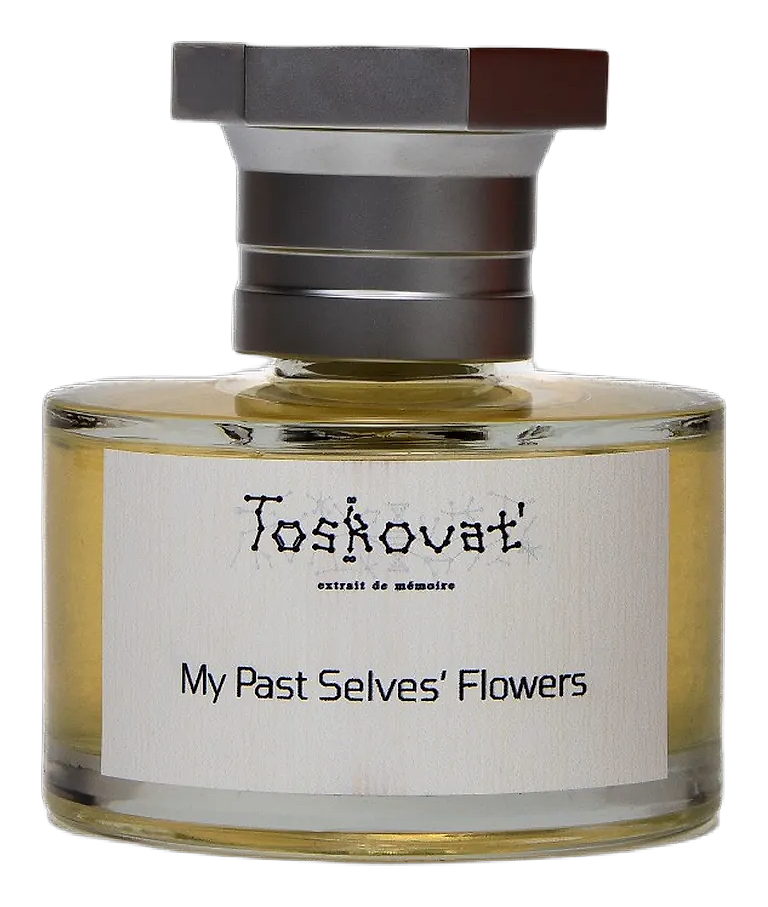
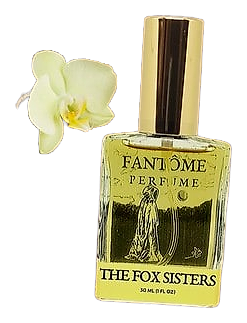
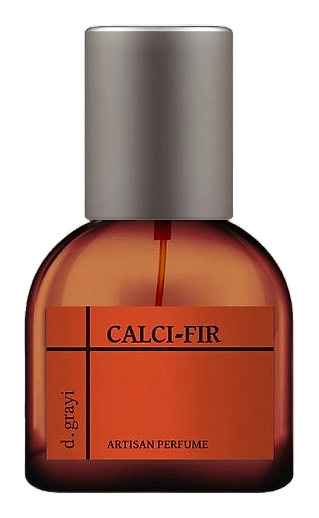
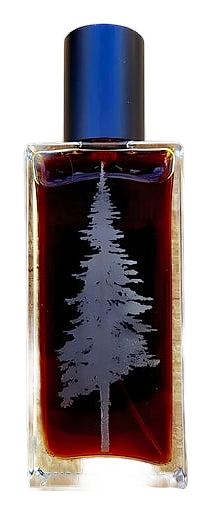
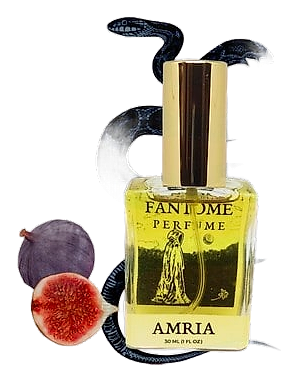
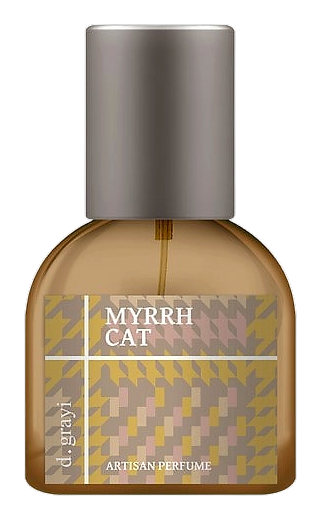
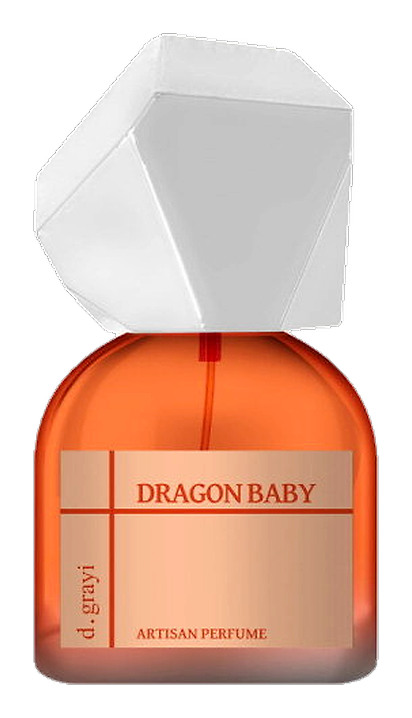
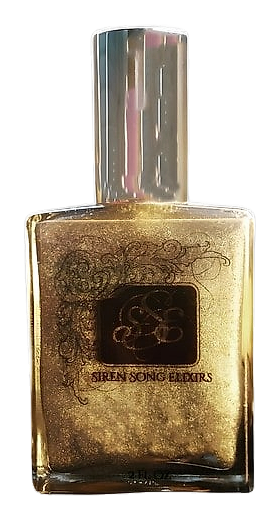
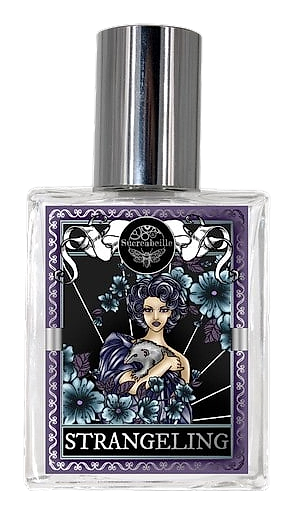
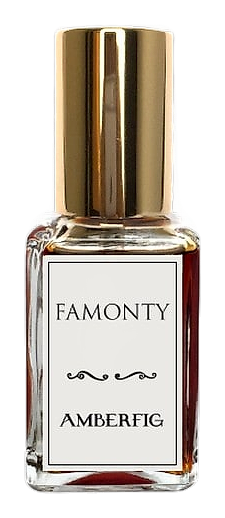
Fragrances featuring Dragon Blood Resin
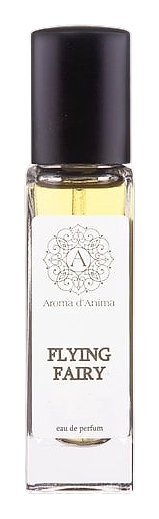
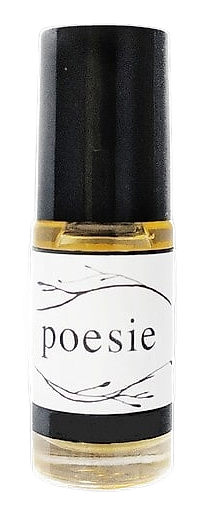
Brands
Brands known for Dragon Blood Resin
Good to know
Questions, answered
The essentials on Dragon Blood Resin in perfumery: how it smells, where it comes from, and how it behaves on skin.
What is Dragon Blood Resin?
Dragon Blood Resin is a natural gum exuded by the rattan palm Daemonorops draco and the Dracaena cinnabari tree. The resin forms bright red droplets that harden into shards within 3–5 days after collection. Samples from Socotra average a yield of 0.8 kg per tree per season.
How is Dragon Blood Resin harvested?
Harvesters make shallow cuts in the bark of mature palms and collect the exuding sap. In Socotra, workers gather the droplets in bamboo pans and let them dry for 48 hours, producing shards ready for processing. A single tree can yield up to 1.2 kg of resin during a peak season.
What does Dragon Blood Resin smell like?
The resin emits a sweet‑earthy scent with notes of burnt sugar, honey and soft incense. When burned, the aroma intensifies, revealing a faint spicy undertone noted by perfumers in laboratory tests. Gas chromatography of a 5‑gram sample identified vanillin and cinnamic acid as dominant aromatic compounds.
Is Dragon Blood Resin safe for skin contact?
The resin is generally safe for topical use when diluted in a carrier oil. Patch‑test studies on 30 volunteers showed no irritation at concentrations below 5 % after 48 hours. However, raw shards may cause minor abrasions, so they are usually powdered before formulation.
Can Dragon Blood Resin be distilled into an essential oil?
The resin does not yield a true essential oil through distillation. Attempts to steam‑distill the material produce only a thin, watery distillate lacking the characteristic aroma. Laboratory analysis of a 100 ml steam run recorded less than 0.2 % aromatic constituents. Thus perfumers prefer solvent extracts to capture its scent.
Which cultures historically valued Dragon Blood Resin?
Ancient Egypt, the Roman Empire, medieval Europe, India and China all prized the resin. Egyptian tomb inventories from the 18th dynasty list dragon’s blood among the incense bundles used in royal ceremonies. In Yemen, records from 1620 describe the resin’s export to European markets, generating an estimated annual trade value of 2,000 silver coins.
How does Dragon Blood Resin influence perfume composition?
The resin adds a deep, sweet‑earthy anchor that balances bright citrus or floral top notes. In a 2021 blind test, a blend containing 3 % dragon’s blood received higher longevity scores than a control lacking the resin. Its fixative property extends scent life by up to 30 % in laboratory aging studies.
Where is Dragon Blood Resin sourced today?
Modern harvests come primarily from the Socotra islands of Yemen and from rattan palms in Indonesia. A 2022 sustainability report recorded an annual production of 1.5 tonnes from Socotra, managed by community cooperatives. Export volumes peaked at 2 tonnes in 2020 before stabilizing due to regulated quotas.