Azalea
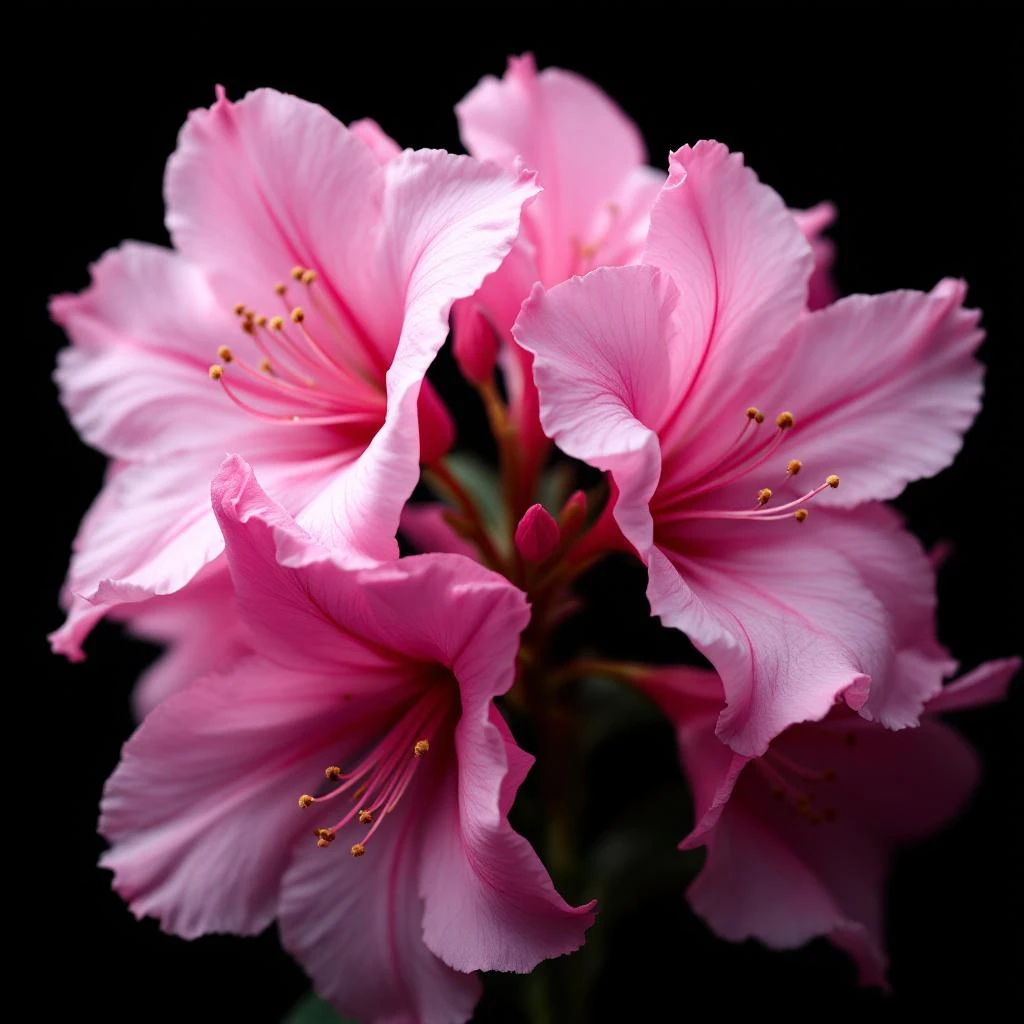
Azalea brings ephemeral spring freshness to fragrance, recreating the delicate sweetness of blooming shrublands through modern aromatic chemistry.
Character
How it smells
Spring captured in a bottle
Some azalea species contain grayanotoxins that can cause hallucinations when ingested by humans or animals.







Origin
China
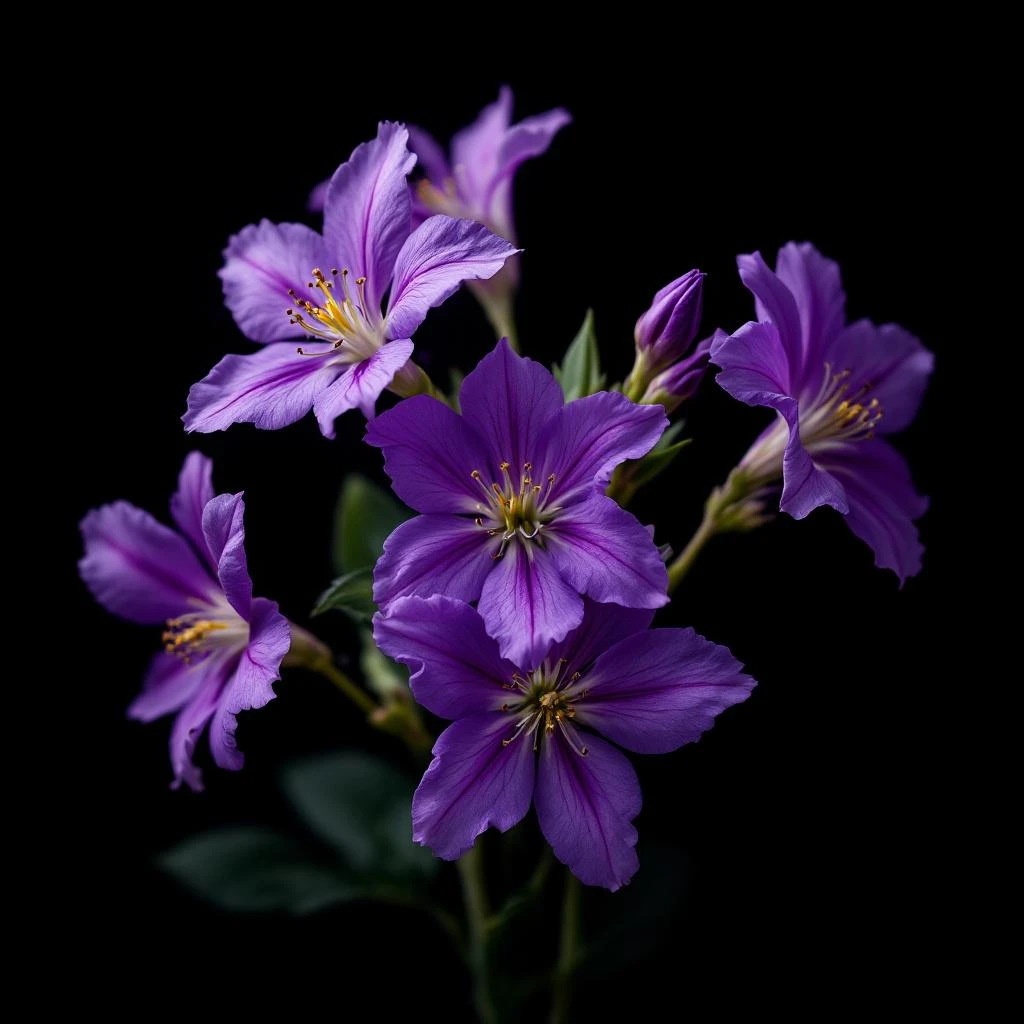
Azaleas trace their perfumery heritage to the broader Rhododendron genus, plants woven into East Asian cultures for over a millennium. Japanese emperors referenced rhododendron gardens in classical poetry, while Chinese herbalists documented various species for medicinal applications. The genus gained prominence in Western horticulture during the 19th century when plant hunters brought specimens from the Himalayas and Japanese mountains to European botanical gardens.
By the early 20th century, fragrance chemists began analyzing the volatile compounds emitted by these flowers, seeking to understand what made their scent so distinctive. The synthetic recreation of azalea notes emerged from the same aromatic chemistry movement that gave perfumery vanillin and coumarin in the 1880s. Rather than extracting the flower itself, chemists identified the key odorant molecules and developed reliable methods to produce them.
This technological leap meant spring gardens could influence fragrance year-round, democratizing access to delicate floral notes previously available only during brief blooming seasons.
Wears it best
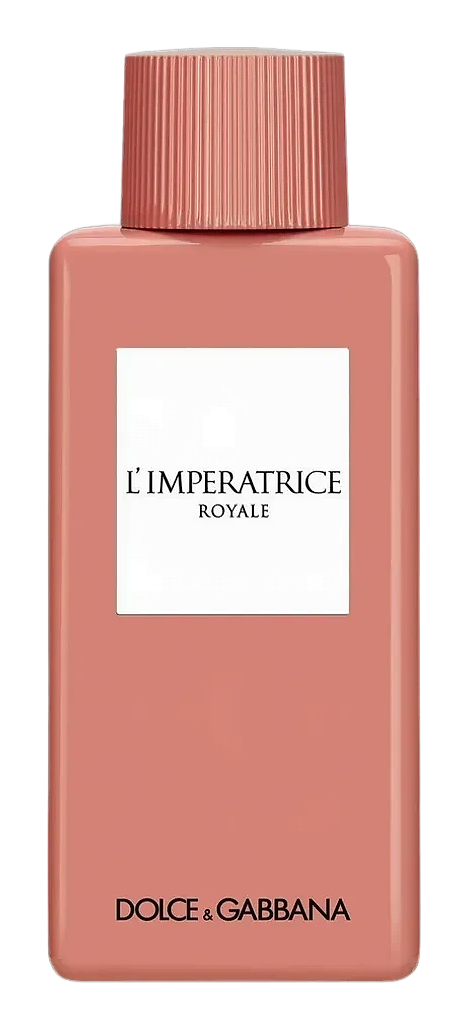
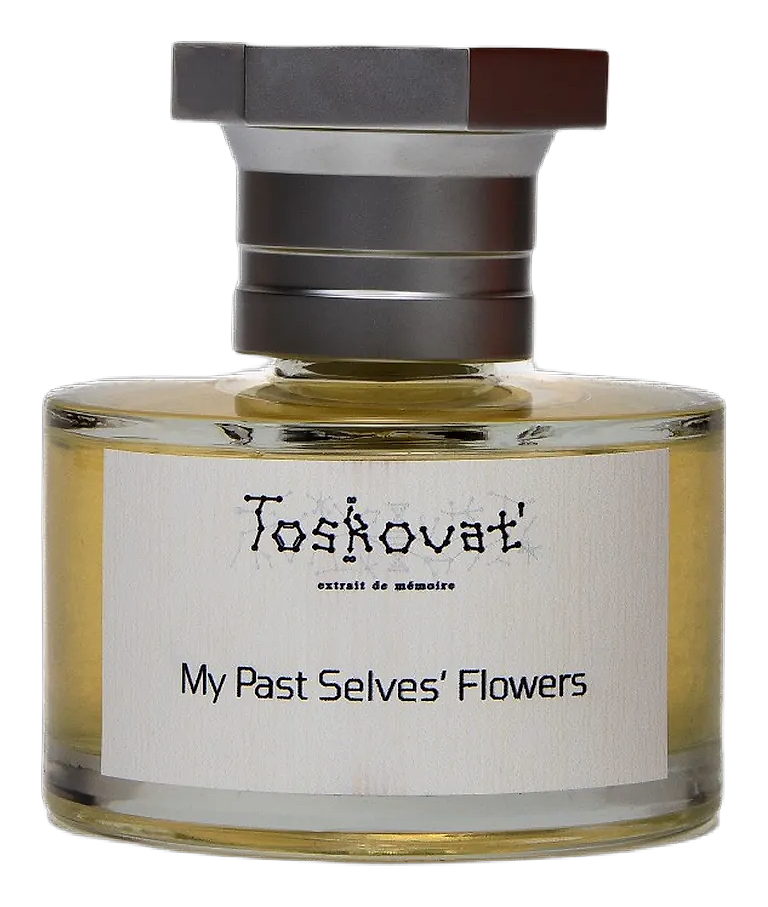
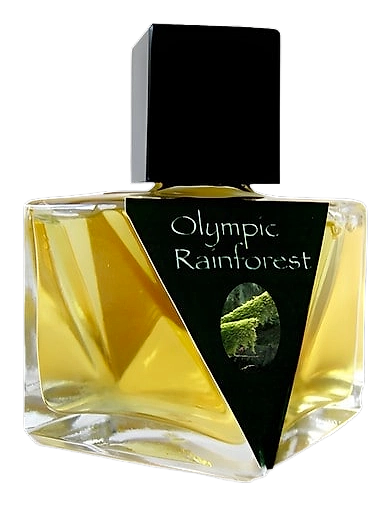
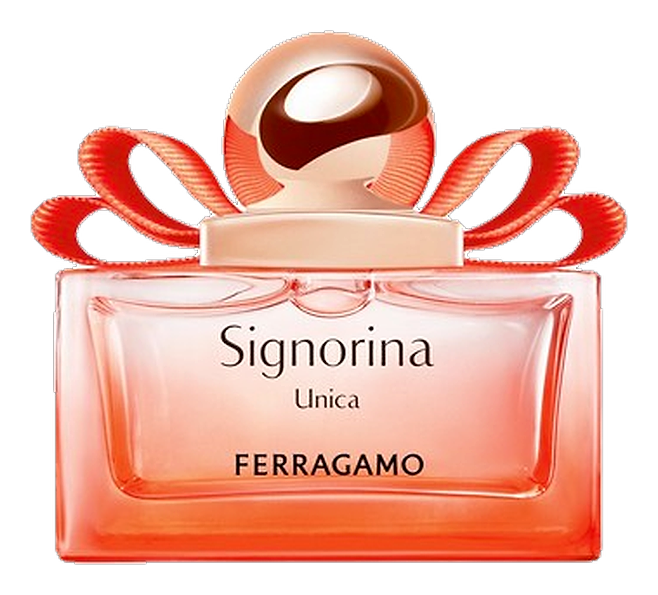
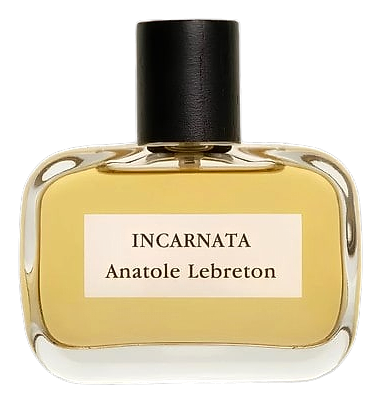
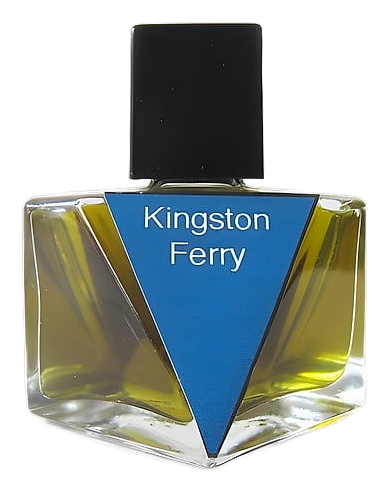
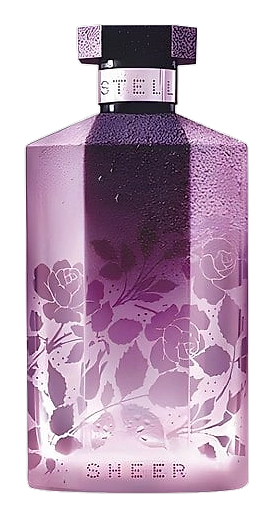
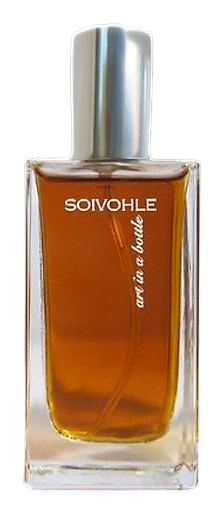
Fragrances featuring Azalea
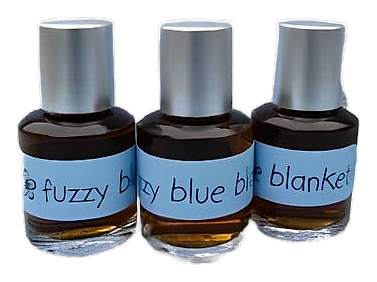
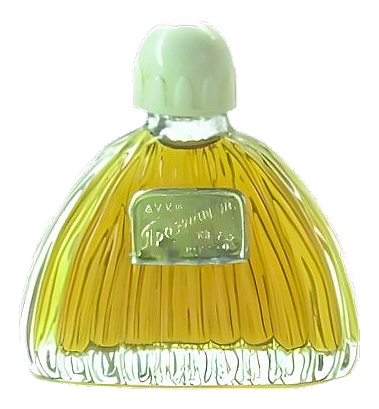
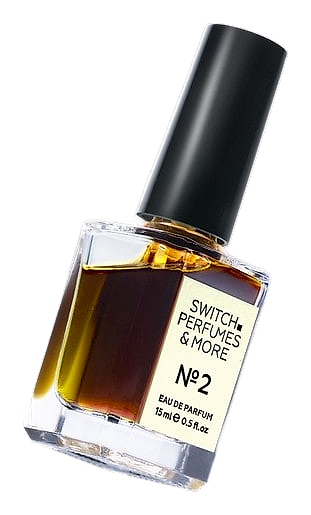
Good to know
Questions, answered
The essentials on Azalea in perfumery: how it smells, where it comes from, and how it behaves on skin.
Is azalea a natural perfume ingredient?
Azalea is primarily a synthetic accord in perfumery. No commercial extraction method produces azalea essence at scale. Perfumers combine specific aromatic molecules like phenylacetaldehyde and rosy ketones to recreate the flower's scent profile.
What does azalea smell like?
Azalea reads as a tender floral with sweet and green facets. The scent blends fruity rose notes, a slight jasmine-like indolic warmth, and fresh green stems. The overall effect is ephemeral and delicate rather than bold.
Which perfumes feature azalea notes?
Several niche and designer fragrances feature azalea as a supporting floral note. It appears in spring-focused compositions where its ephemeral quality adds freshness without overpowering brighter citruses or heavier florals.
When was azalea scent first synthesized?
Fragrance chemists began recreating azalea compounds during the early 20th century alongside other floral synthetics. The exact timeline remains proprietary among fragrance houses, but the approach followed the vanillin and coumarin breakthroughs of the 1880s.
Is azalea related to rhododendron?
Yes. Azaleas belong to the Rhododendron genus botanically. While horticulturists separate them by flower structure, perfumers draw from the same aromatic research when recreating either flower's scent profile.
What molecules recreate azalea fragrance?
Perfumers combine phenylacetaldehyde for green-floral lift, dimethyl anthranilate for sweet-fruity character, and various C13 rose ketones for the petal-like rosy impression. These molecules blend to form a convincing azalea accord.
Can azalea cause skin reactions?
Azalea accords in perfumes use molecules at IFRA-compliant concentrations deemed safe for topical use. However, the grayanotoxins found in some natural azalea species are not present in synthetic recreations used by perfumery.
What fragrance families pair well with azalea?
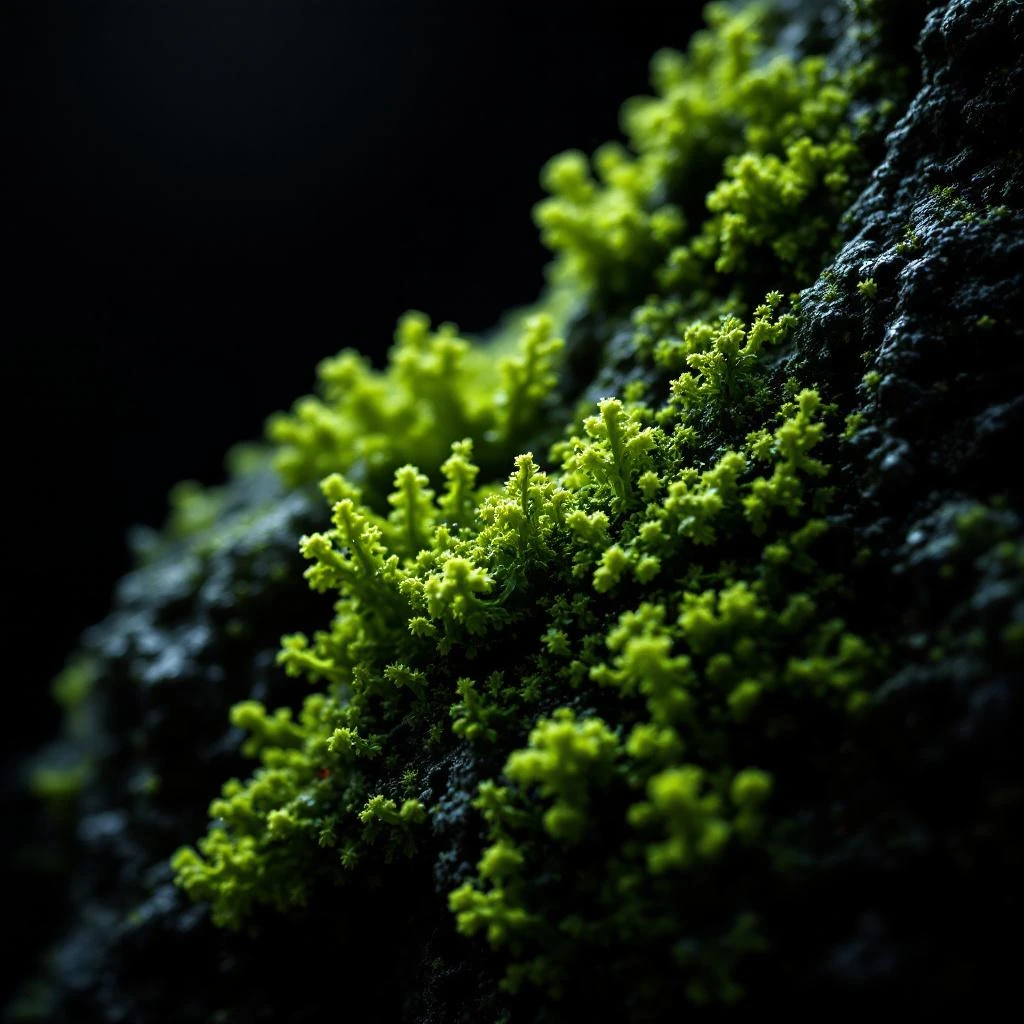
Azalea works within chypre, floral, and green fragrance families. It bridges fruity florals like peony and magnolia while connecting to mossy or woody base notes that ground its ephemeral character.

