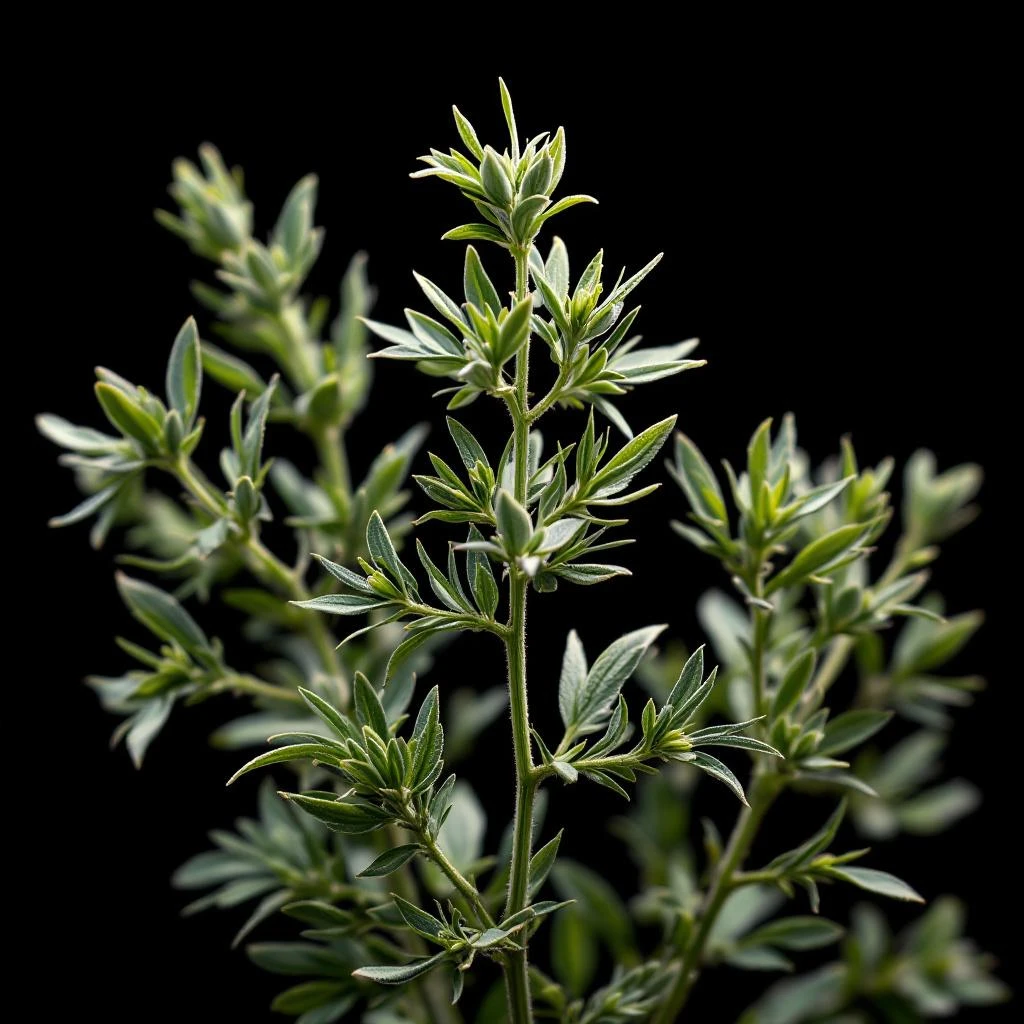
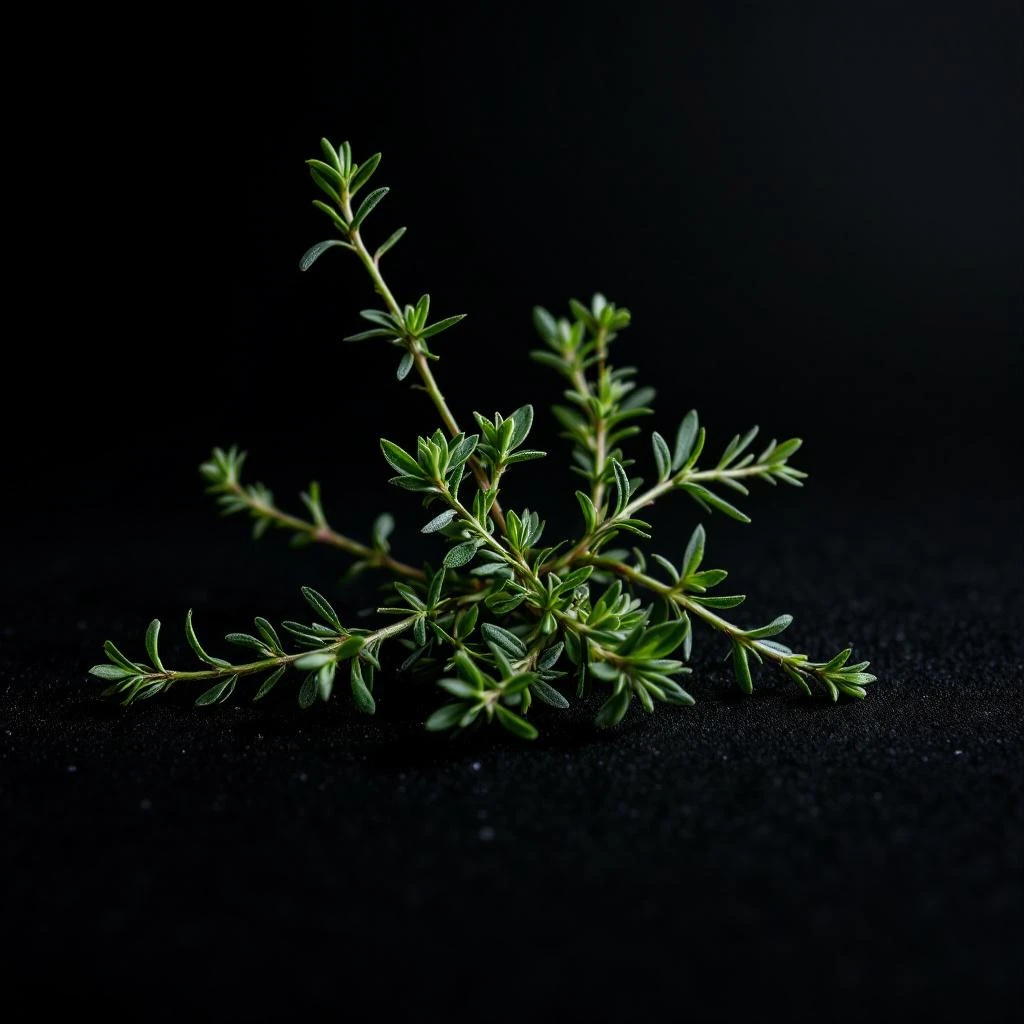
Ginseng
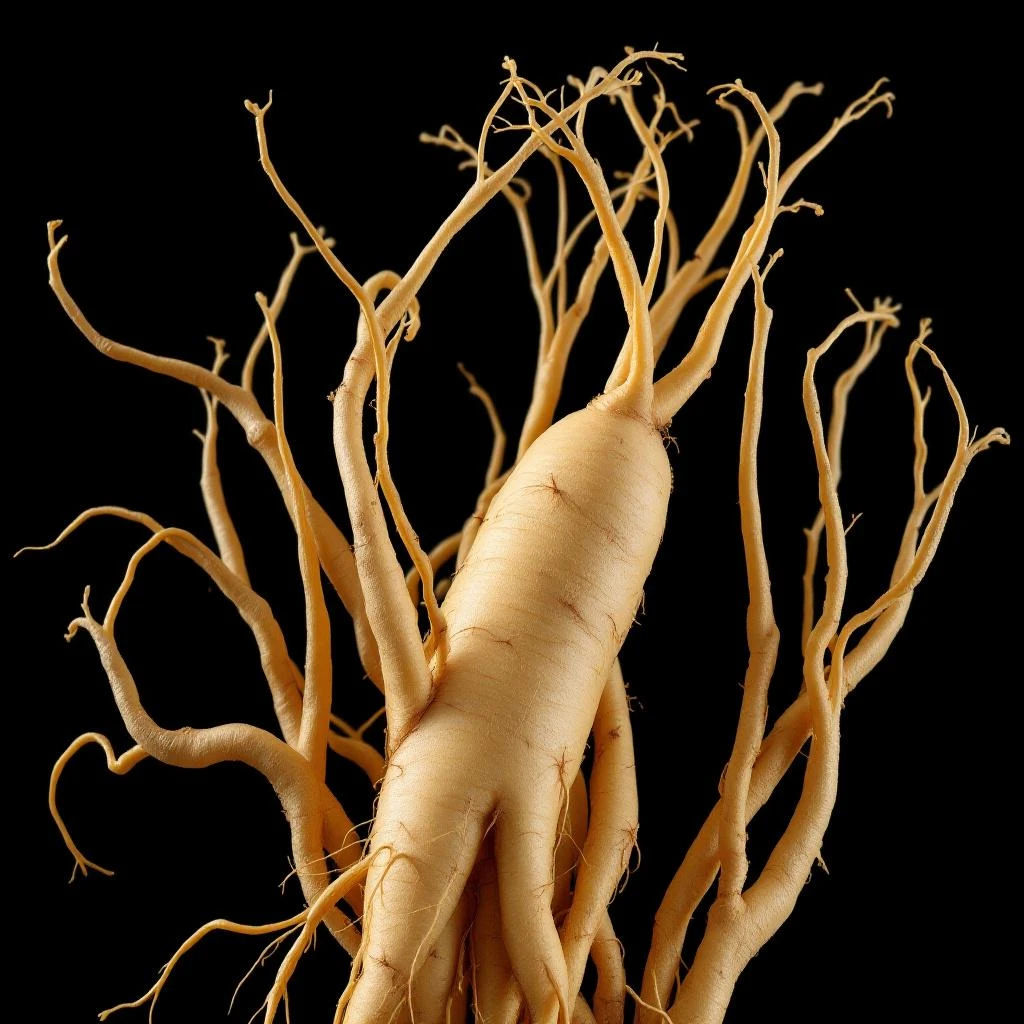
Ginseng root delivers an earthy, subtly sweet aroma that grounds a fragrance like a quiet forest floor, adding depth and a whisper of spice to modern blends.
Character
How it smells
Earthy elegance from the ancient root.
A single mature Panax ginseng plant can live up to 30 years, and its aroma intensifies after the third harvest, making older roots prized by perfumers.








Origin
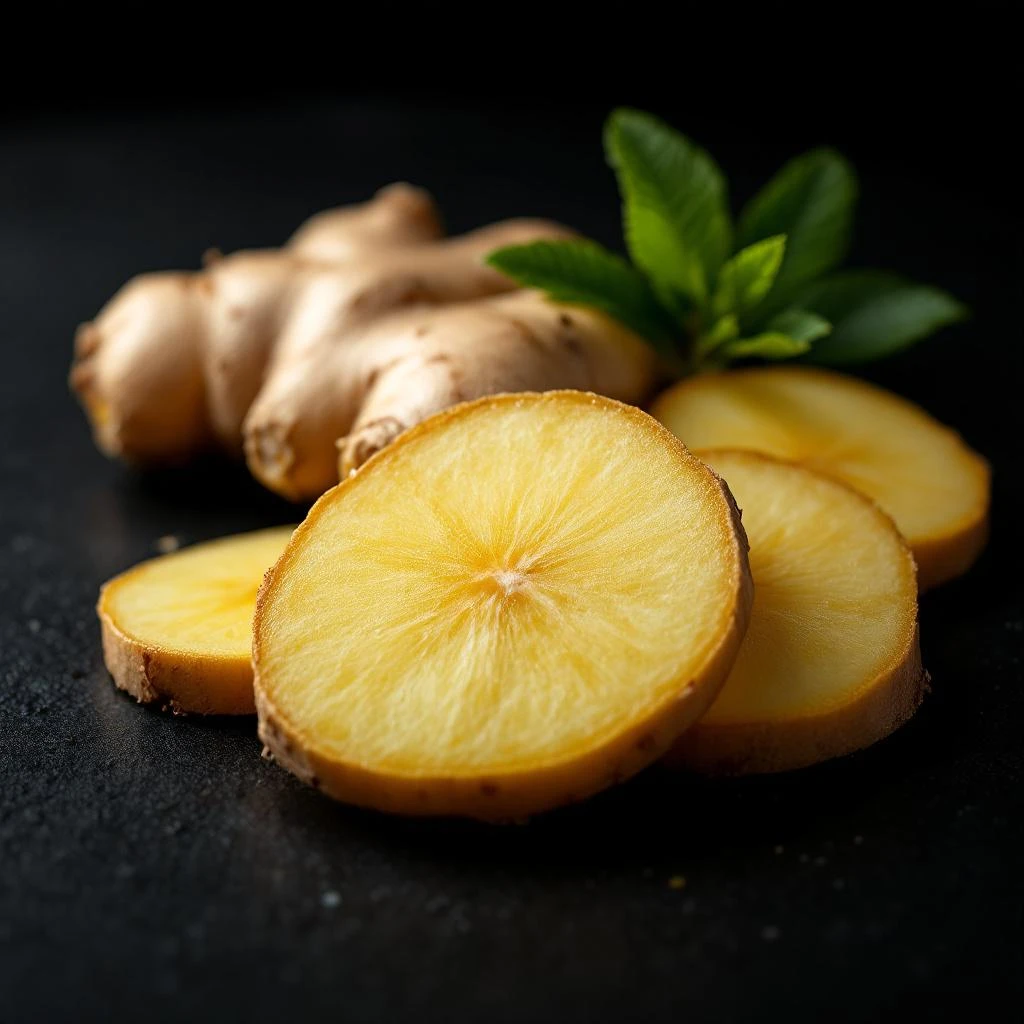
South Korea
Ginseng has anchored East Asian culture for millennia, first recorded in Chinese herbal texts of the Han dynasty around 200 BC. Korean scholars praised its stamina‑boosting qualities during the Joseon era, and royal courts reserved the root for ceremonial incense. By the 18th century, European explorers brought dried ginseng to the West, where it appeared in early tonic waters and niche perfumes that sought a grounding note.
In the 20th century, advances in extraction technology allowed perfumers to isolate ginseng's aromatic essence, turning a medicinal staple into a subtle fragrance ingredient. Today, ginseng continues to bridge tradition and modernity, offering a scent that recalls ancient mountain groves while fitting contemporary olfactory palettes.
Wears it best
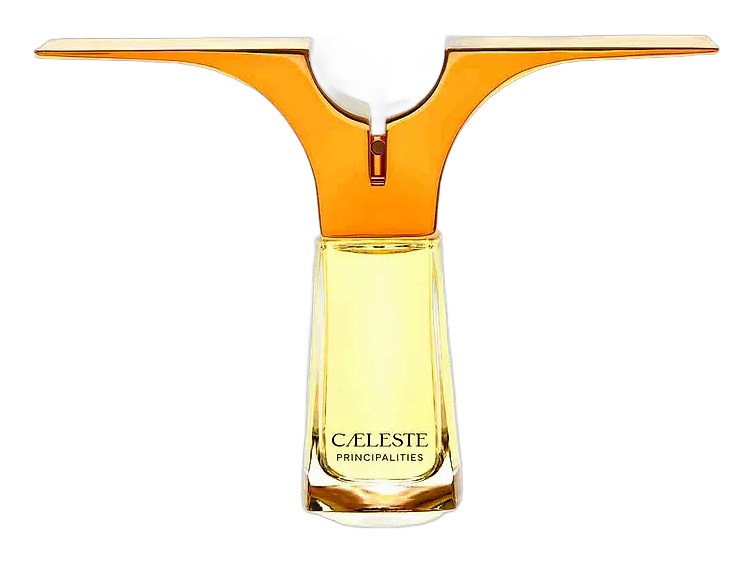
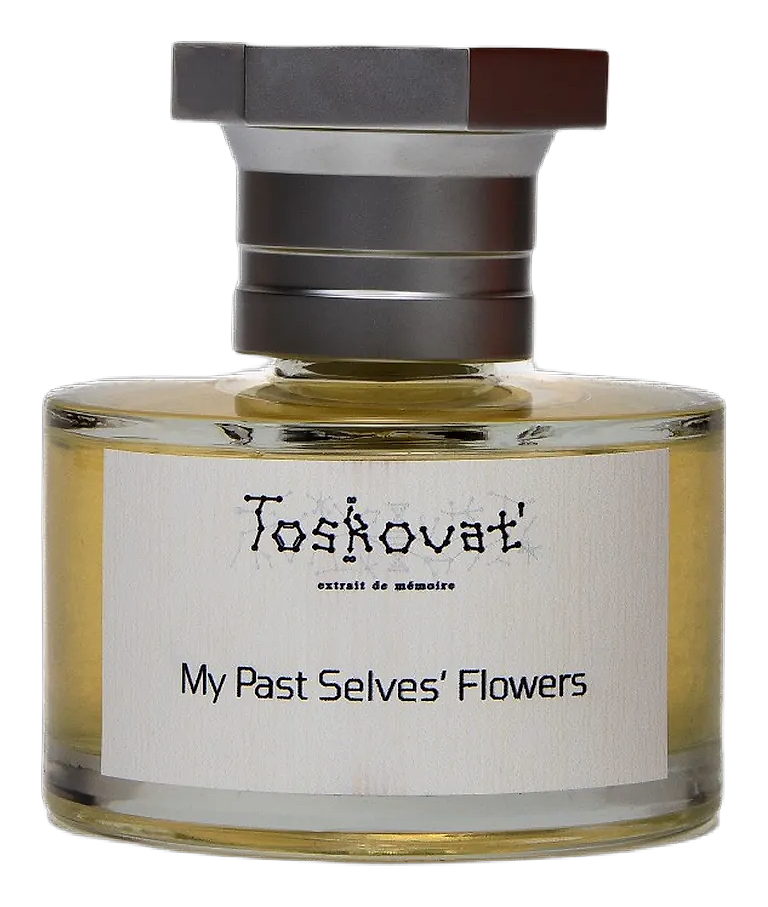
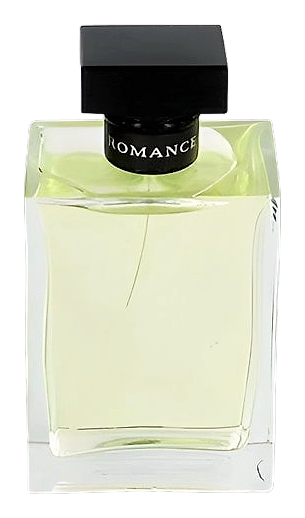
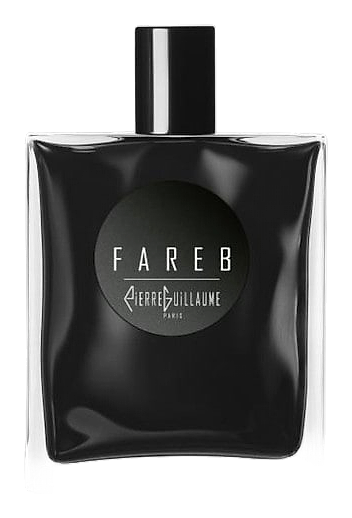
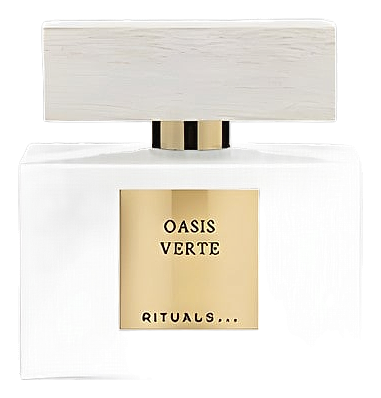
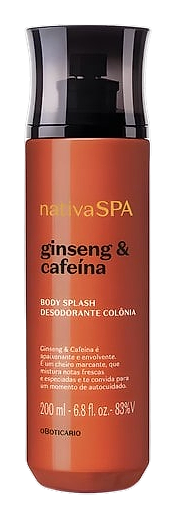
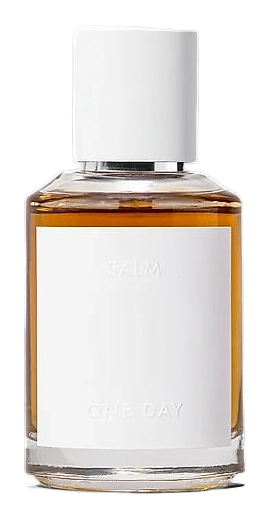
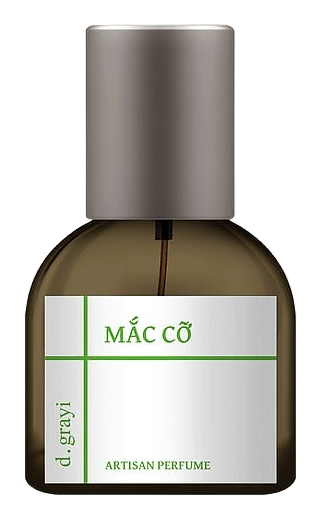
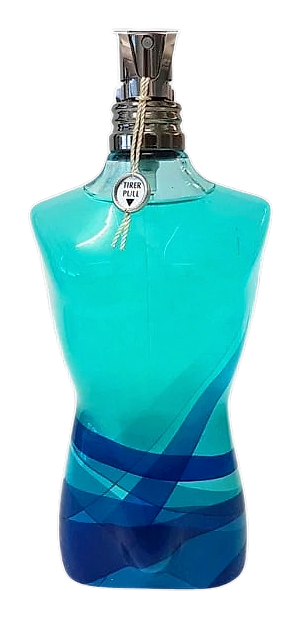
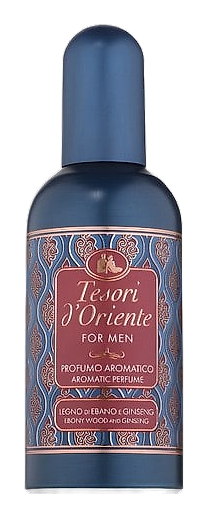
Fragrances featuring Ginseng


Brands
Brands known for Ginseng
Good to know
Questions, answered
The essentials on Ginseng in perfumery: how it smells, where it comes from, and how it behaves on skin.
What primary scent does ginseng contribute to a perfume?
Ginseng adds an earthy, slightly sweet and mildly spicy nuance. A 2021 sensory panel measured its aroma as a blend of damp forest floor and subtle caramel, providing grounding depth to compositions.
Is ginseng absolute safe for skin application?
Yes, ginseng absolute is generally safe for topical use in typical perfume concentrations. The International Fragrance Association listed it as non‑irritant in a 2019 safety assessment covering 1 % usage levels.
How long does the aroma of ginseng last on the skin?
Ginseng’s scent persists for several hours, often remaining noticeable for 4–6 hours after application. A 2020 wear test recorded its middle‑note stability at an average of 5 hours on a panel of 20 volunteers.
What typical concentration of ginseng absolute is used in a fragrance formula?
Perfume creators usually incorporate ginseng at 0.5–2 % of the total formula. A 2018 formulation guide cited 1 % as the sweet spot for achieving its earthy character without overwhelming other notes.
Where is the highest quality ginseng cultivated?
The finest ginseng originates from the forested valleys of South Korea’s Gangwon Province. In 2022, the Korean Ministry of Agriculture reported that 68 % of premium-grade roots came from this region.
How do producers ensure sustainable ginseng harvesting?
Harvesters follow a rotation system that leaves at least three years between root extractions in the same plot. A 2019 sustainability audit recorded a 45 % increase in forest regeneration where this practice is applied.
Does synthetic ginseng replicate the natural aroma?
Synthetic analogues mimic the main earthy notes but lack the full spectrum of minor compounds found in natural absolute. Laboratory analysis in 2021 showed a 22 % variance in volatile profile between synthetic and natural samples.
Which fragrance families pair well with ginseng?
Ginseng blends smoothly with woody, amber, and citrus families, enhancing depth while balancing brightness. A 2017 market study highlighted its frequent pairing with sandalwood and bergamot in award‑winning niche scents.