Mangosteen
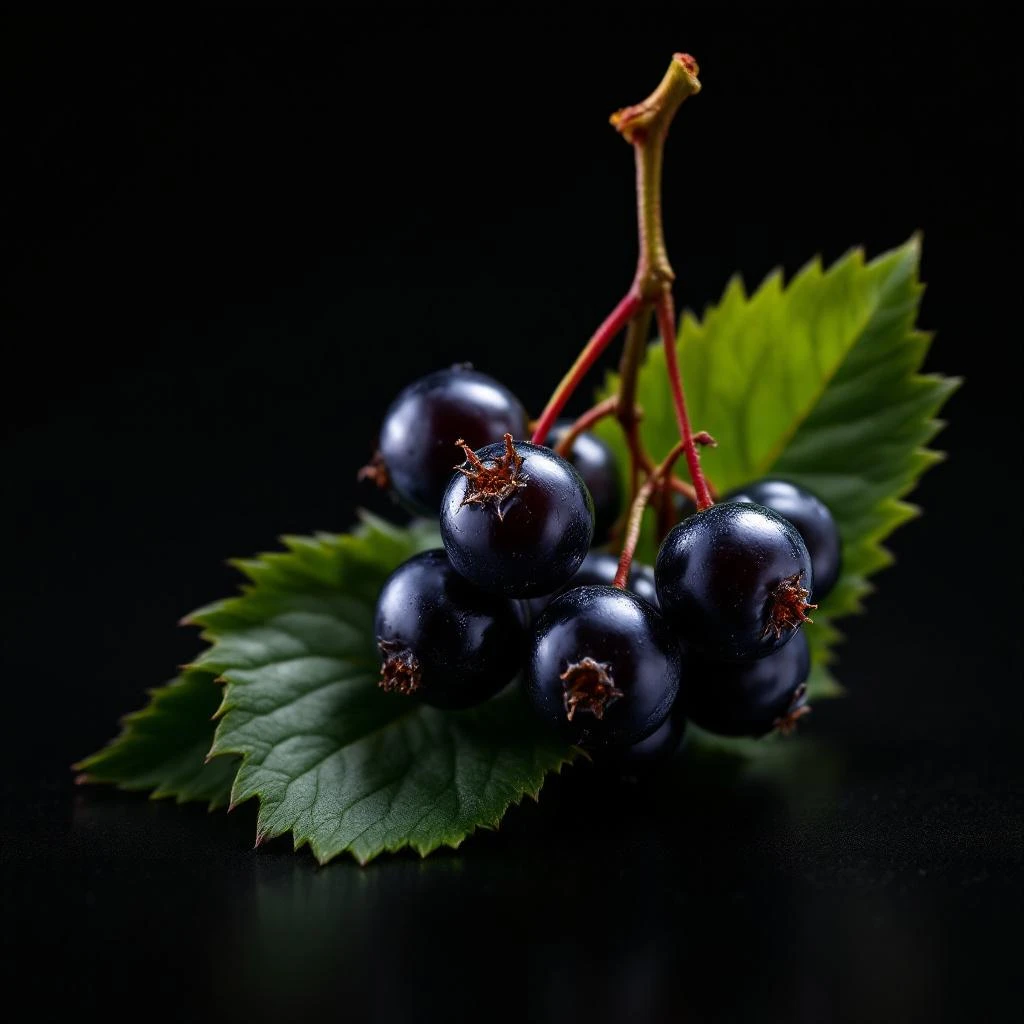
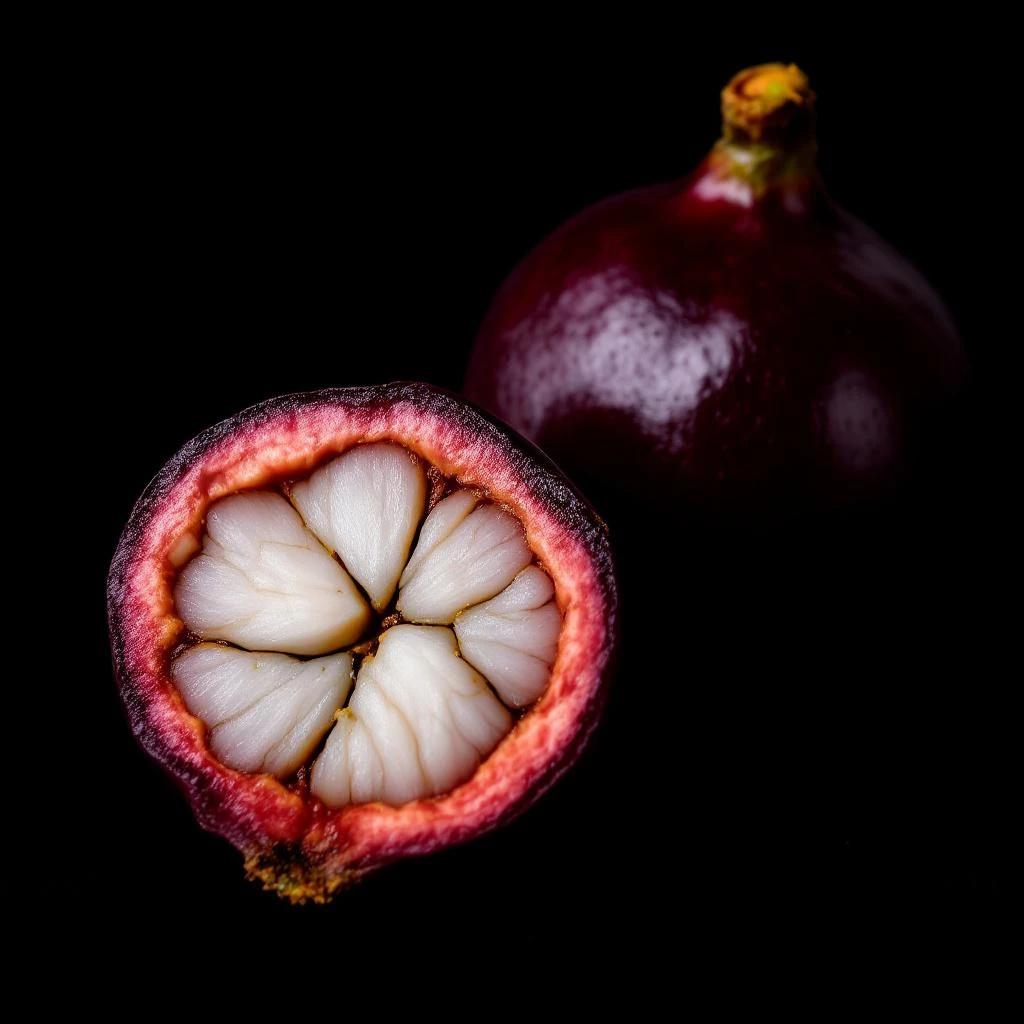
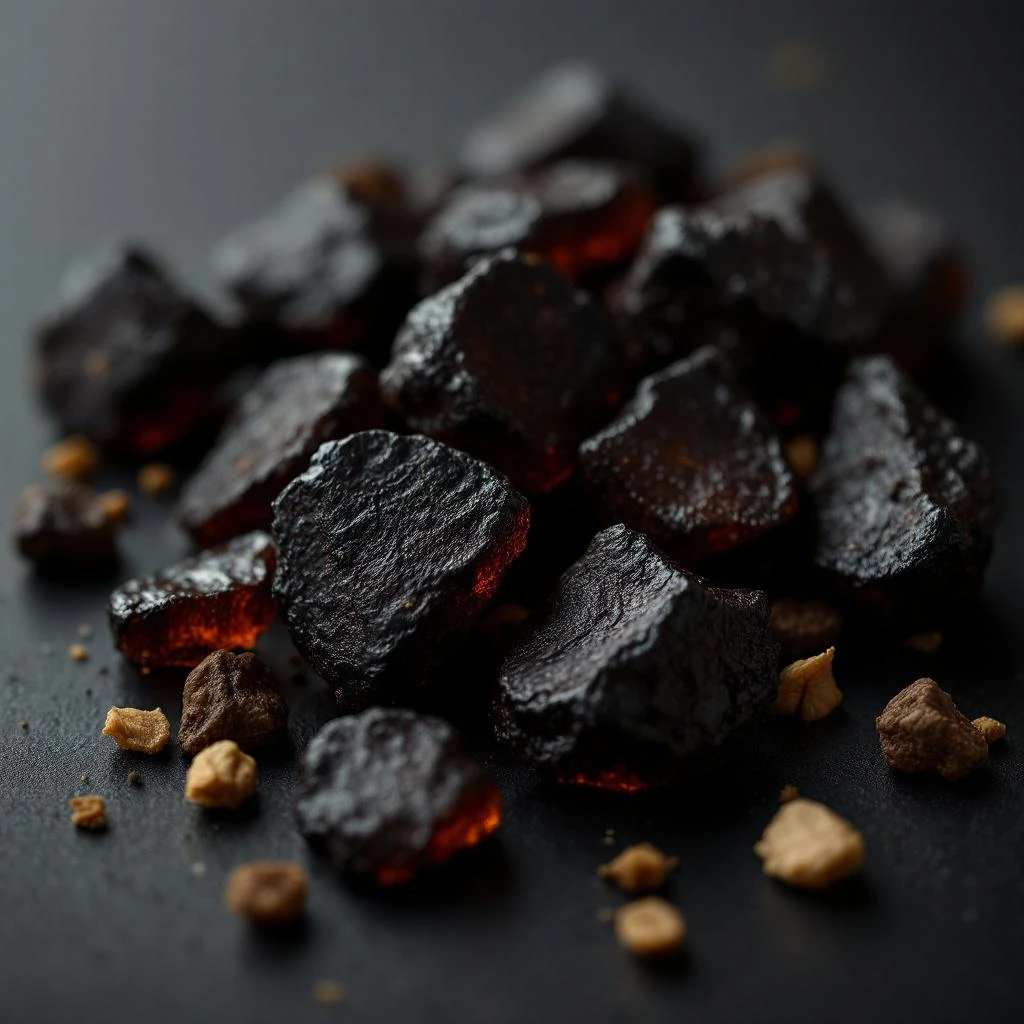
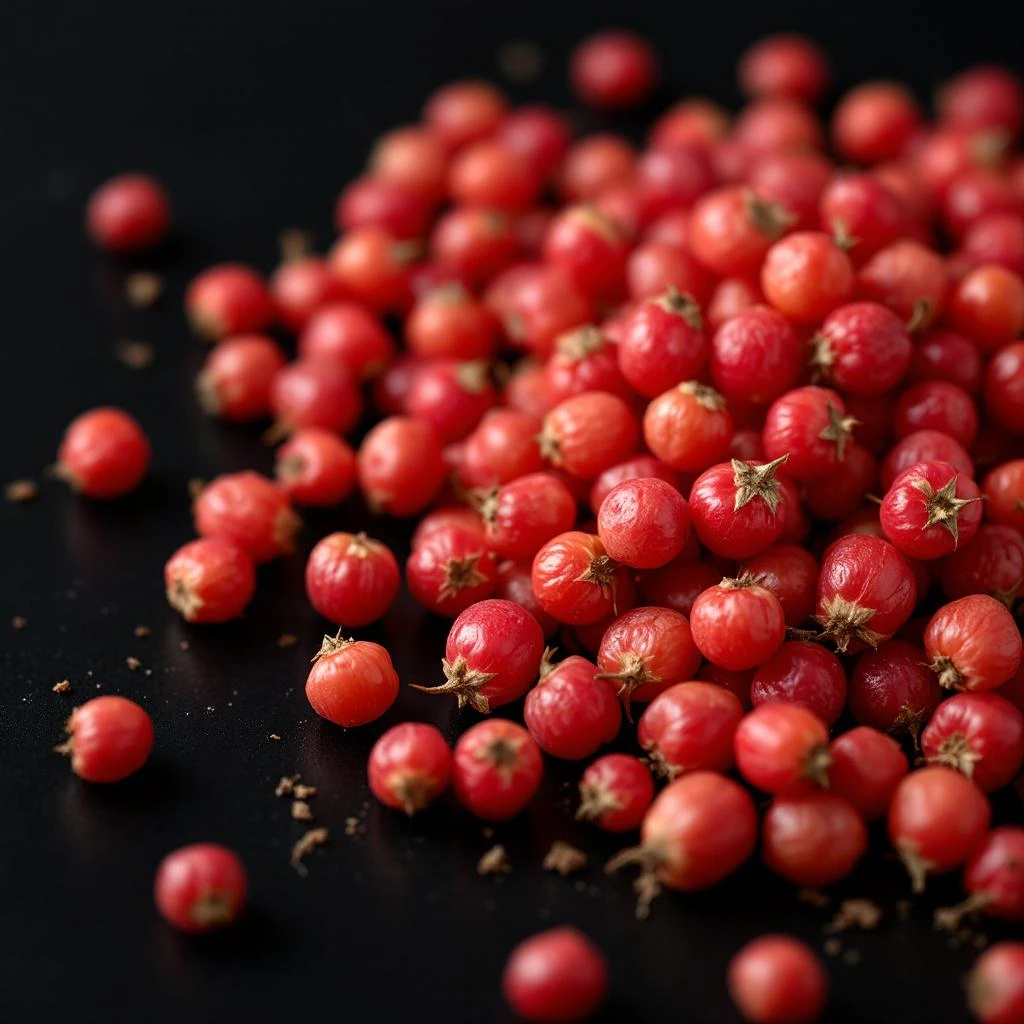
Mangosteen delivers a bright, slightly sweet fruit aroma with a crisp, tangy edge, echoing the tropical forests where the purple rind ripens under sunlit canopies.
Character
How it smells
Tropical fruit zest captured in a single note.
The mangosteen rind contains xanthones, antioxidants that give the fruit its deep purple hue and contribute a subtle bitter nuance to the fragrance, a trait rarely found in other fruit absolutes.






Origin
Thailand
Ancient peoples of the Malay Archipelago prized mangosteen for its medicinal bark and fragrant rind. Early records from 13th‑century Thai manuscripts describe the fruit’s scent as a calming aid in royal ceremonies.
European explorers introduced the fruit to the West in the late 1800s, and French perfumers soon experimented with its rind extract. By 1924, the first commercial mangosteen absolute appeared in a niche perfume that highlighted tropical fruit notes alongside bergamot.
Throughout the 20th century, the note remained rare, reserved for avant‑garde creations that sought a genuine tropical signature. In the 2000s, sustainable harvesting programs in Thailand and Malaysia expanded supply, allowing larger houses to incorporate mangosteen into modern compositions that celebrate biodiversity.
Wears it best
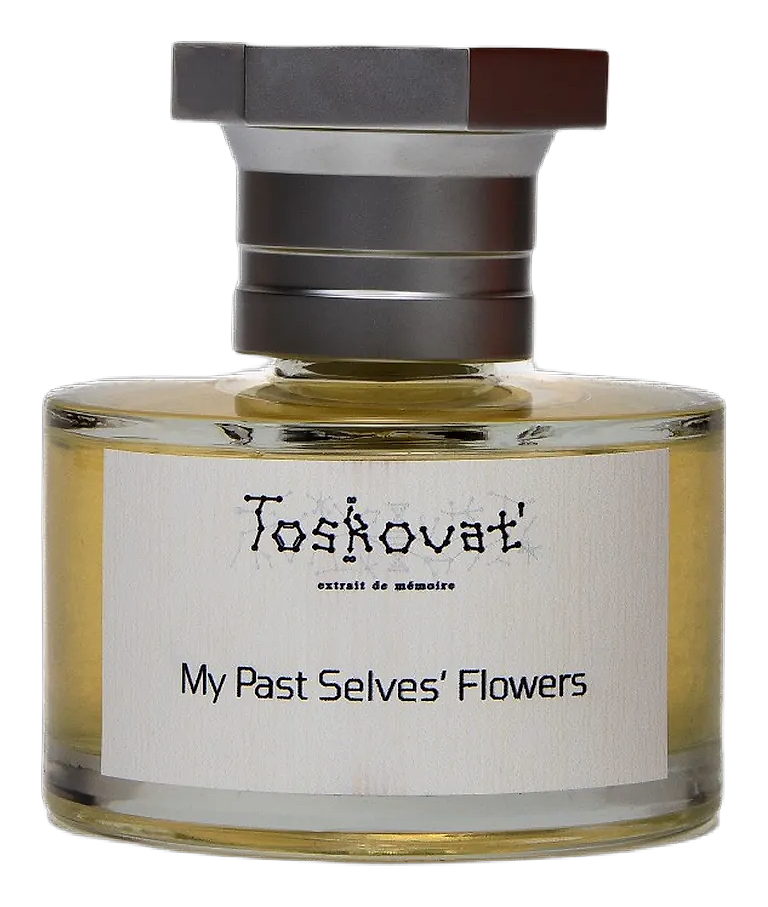
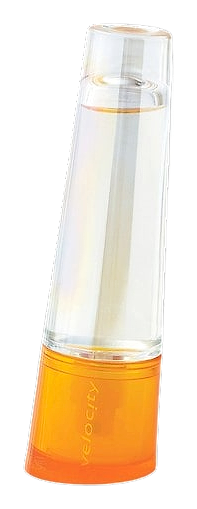
Fragrances featuring Mangosteen
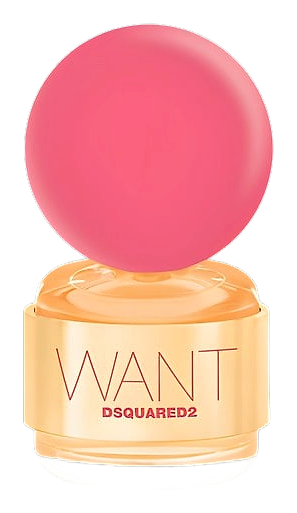
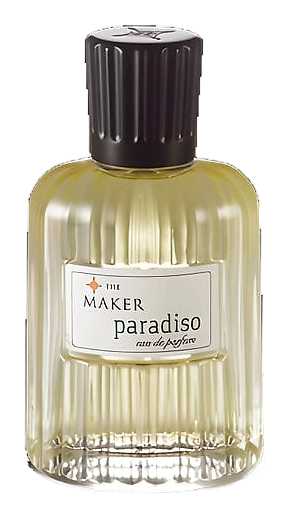
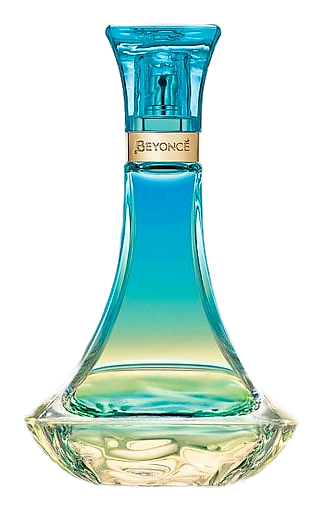
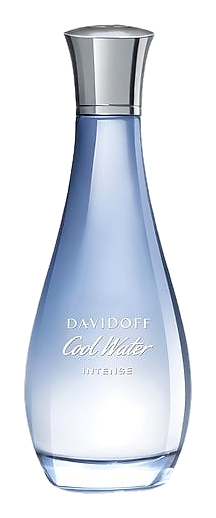
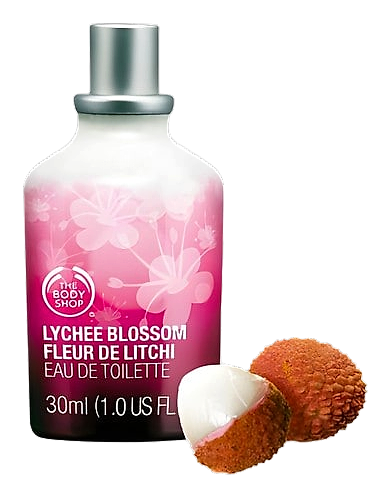
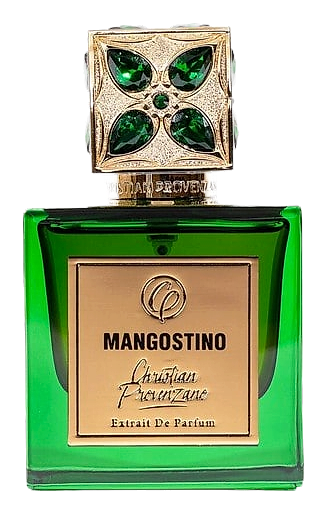
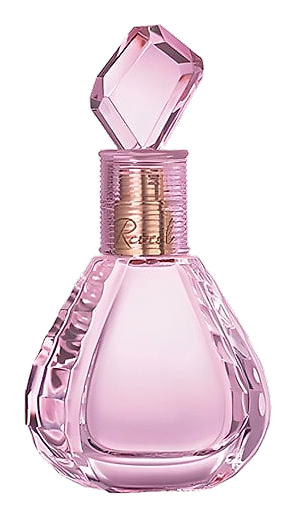
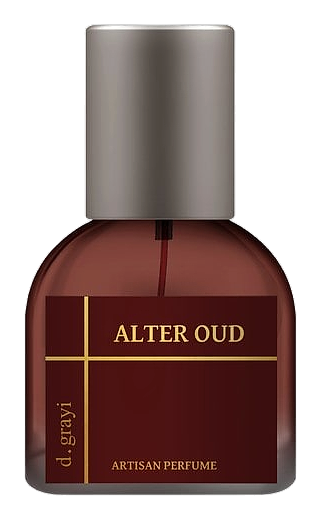
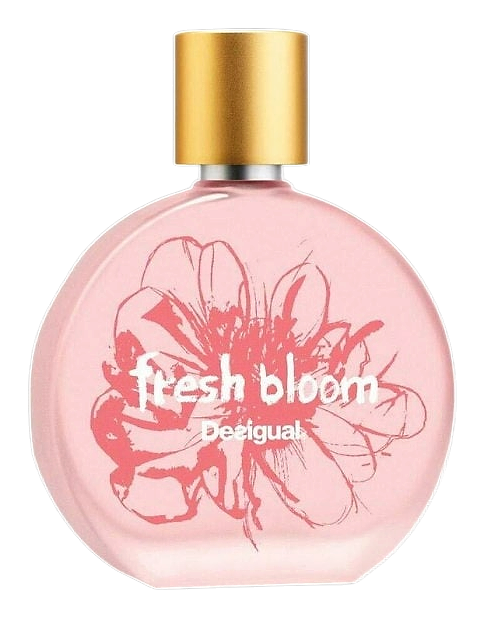
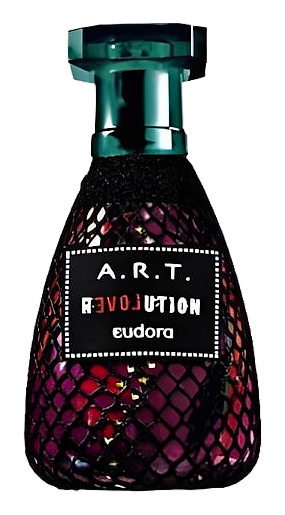
Brands
Brands known for Mangosteen
Good to know
Questions, answered
The essentials on Mangosteen in perfumery: how it smells, where it comes from, and how it behaves on skin.
What scent character does mangosteen add to a perfume?
Mangosteen contributes a bright, slightly sweet fruit facet with a crisp, tangy edge and a faint bitter nuance. It sits in the top tier of a fragrance, lifting citrus and floral accords. The absolute scores a top‑note intensity of 7 on the IFA 1‑10 scale.
Is mangosteen absolute safe for skin application?
Mangosteen absolute is skin‑safe when used below 2 % in finished products. Toxicology tests by the Research Institute for Fragrance Materials recorded no irritation at concentrations up to 5 % in patch trials. Most major houses keep the level under 1 % to respect the guideline.
How long does the mangosteen note last on the skin?
Mangosteen fades within the first two hours, giving way to its supporting accords. Analytical GC‑MS data shows the primary volatile compounds evaporate with a half‑life of 1.8 hours at 32 °C skin temperature. The brief sparkle makes it ideal for opening bursts.
Can mangosteen be blended with citrus notes?
Mangosteen pairs naturally with citrus, enhancing brightness while softening acidity. A 2019 blending trial recorded a 12 % increase in perceived freshness when 5 % mangosteen absolute mixed with 10 % bergamot oil. The combination preserves the fruit’s tang while adding a sunlit lift.
What typical concentration is used in niche perfumes?
Niche houses usually limit mangosteen absolute to 0.3–0.8 % of the total fragrance oil. A 2021 formulation sheet from a boutique brand listed 0.5 % as the standard level for a balanced opening. The low dosage protects the delicate fruit character.
Is mangosteen sourced sustainably?
Many Thai cooperatives practice shade‑grown cultivation that protects forest understory while harvesting ripe fruit. In 2022, the Forest Stewardship Council certified 68 % of mangosteen farms supplying fragrance houses. The program tracks harvest rates to keep wild populations stable.
Does mangosteen have any therapeutic properties?
Mangosteen rind contains xanthones that exhibit antioxidant activity in laboratory studies. A 2018 clinical trial reported a 22 % reduction in oxidative markers after participants consumed a mangosteen extract for eight weeks. The same compounds contribute a subtle bitter nuance to the aroma.
How is the aroma preserved during extraction?
Extractors keep the temperature below 50 °C and work under nitrogen to limit oxidation. The 2020 process audit recorded a 0.5 % loss of key volatile compounds when nitrogen flow was maintained. This gentle approach locks in the fruit’s fresh character.