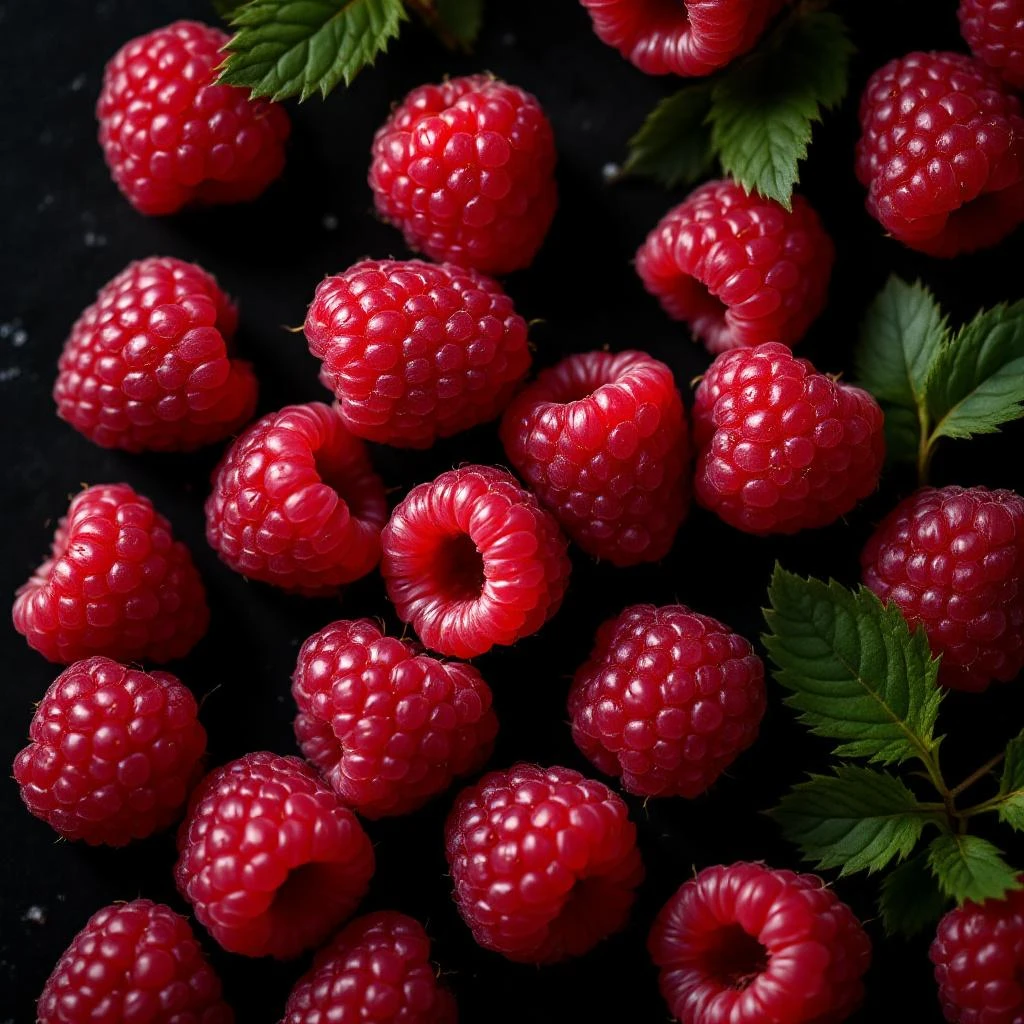
Grape Seed
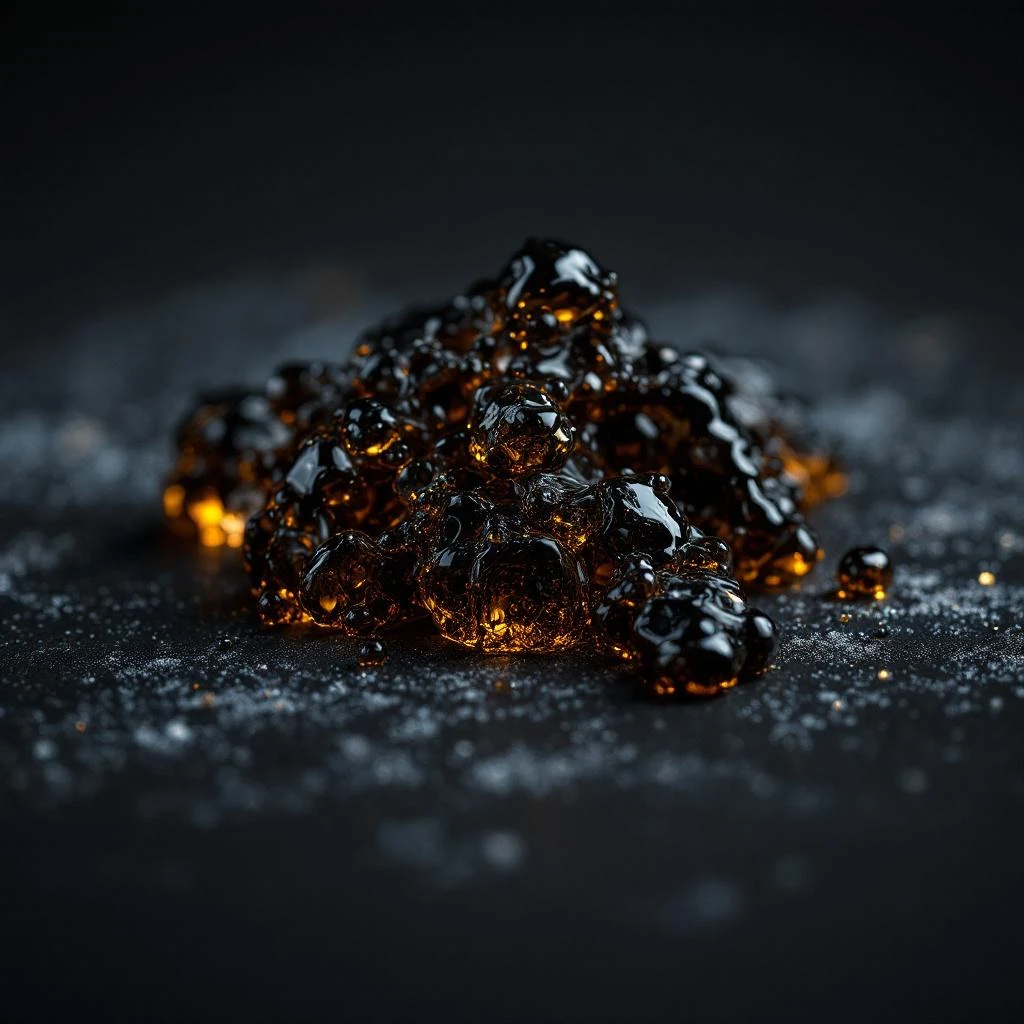
Grape Seed absolute captures the quiet richness of winemaking's most overlooked residue. Extracted from the stony hearts of pressed grapes, this ingredient carries a mild, nutty warmth with faint wine-like undertones that add unexpected depth to fragrance compositions.
Character
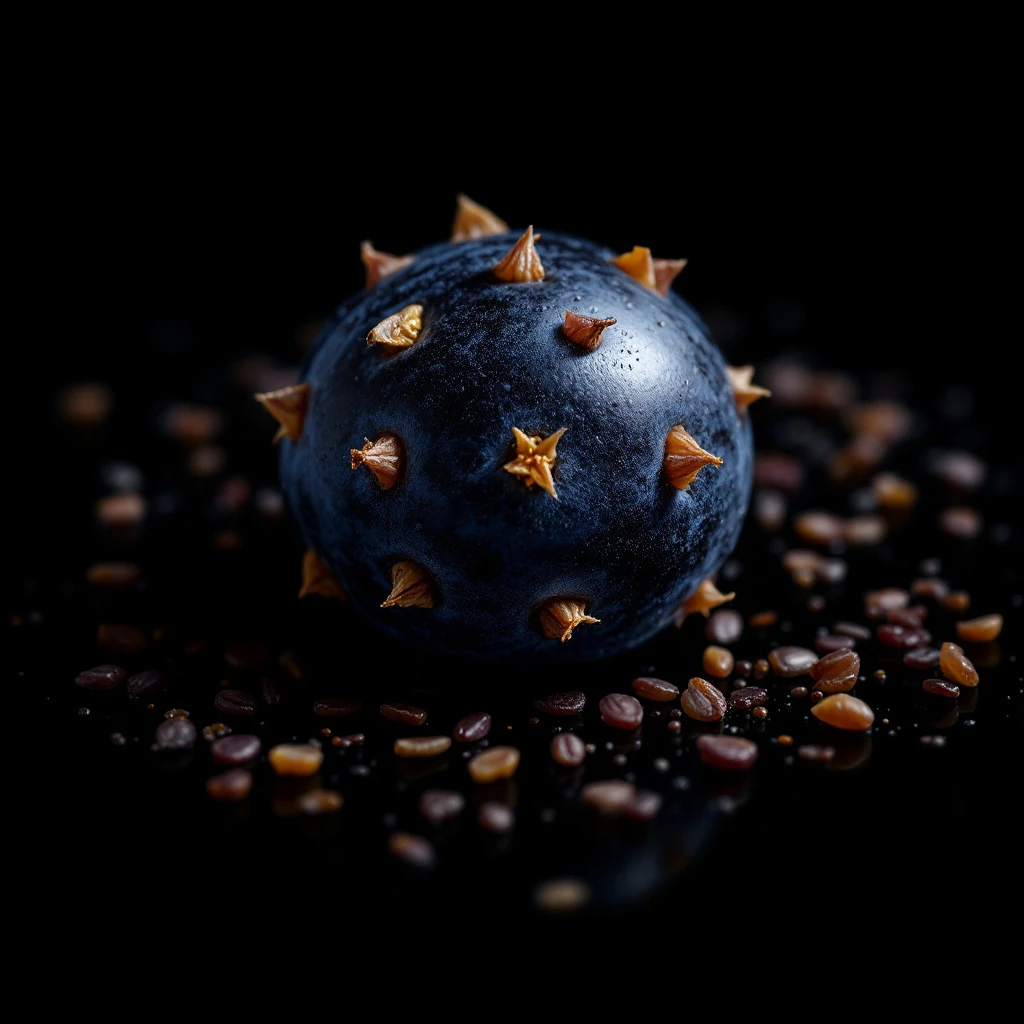
How it smells
The quiet richness hiding in wine's aftermath.
Each gallon of wine leaves behind roughly 13 pounds of seeds once destined for waste. The perfume industry turns that remnant into aromatic gold.

Origin
France
For millennia, winemakers discarded grape seeds without a second thought. Ancient Egyptians and Romans worked extensively with wine in religious and cosmetic contexts, yet they never developed methods to capture what remained in the pomace. The transformation began in the late 20th century, when culinary and cosmetics industries recognized the seed's exceptional antioxidant profile.
Perfumery followed slowly, with artisan and niche houses in Lauris, Grasse, exploring the material as a bridge between wine heritage and modern fragrance craft. Today, sustainable producers operating in traditional winemaking regions have established extraction protocols specifically for perfumery use, rewarding what was once pure waste.
Wears it best
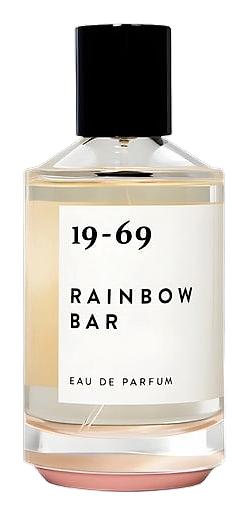
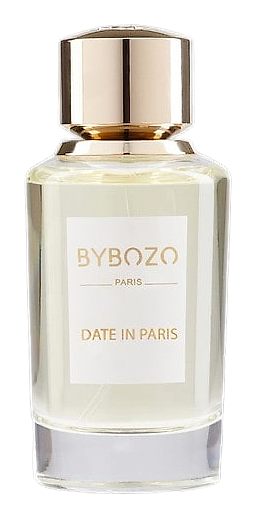
Fragrances featuring Grape Seed
Good to know
Questions, answered
The essentials on Grape Seed in perfumery: how it smells, where it comes from, and how it behaves on skin.
What does grape seed absolute smell like?
Grape seed absolute carries a mild, nutty aroma with subtle wine-like undertones. The scent is quiet relative to flower absolutes, offering warmth without sweetness and a faintly woody base that performs well as a blending agent.
Is grape seed a natural fragrance ingredient?
Grape seed absolute is entirely natural, derived through solvent extraction from winemaking byproduct. However, synthetic alternatives may exist in mass-market formulations, so sourcing from reputable suppliers matters.
What role does grape seed play in perfume compositions?
Grape seed functions primarily as a base note fixative and modifier. Its mild character supports heavier materials rather than demanding attention, adding a subtle wine-nutty quality that feels elegant in background roles.
Which regions produce the best grape seed for perfumery?
France, Italy, and California lead production, with French and Italian seeds prized for their association with quality wine varietals. The terroir influences the seed's fatty acid profile, subtly affecting the extracted absolute's character.
How does grape seed pair with other fragrance ingredients?
Grape seed harmonizes well with woody materials like sandalwood and cedar, enhances wine and grape accord effects when paired with matching naturals, and provides subtle warmth behind amber and vanilla bases.
What makes grape seed an eco-conscious fragrance choice?
Grape seed transforms waste into value. Wineries generate this material by the ton during harvest, so extraction creates additional farmer income while diverting seeds from composting or landfill.
How does cold-pressed grape seed oil differ from perfumery absolute?
Cold-pressed oil serves culinary and cosmetic markets with a clean, fatty profile but limited aromatic complexity. Absolute for perfumery requires solvent extraction to capture the fuller range of aromatic compounds the seeds contain.
Can grape seed stand alone as a fragrance note?
Grape seed rarely anchors a perfume solo. Its character lacks the presence of major notes. Instead, it compounds in blends, where its wine-like warmth and fixative properties enhance the overall composition at low percentages.