The Story
Why it exists.
The beginning
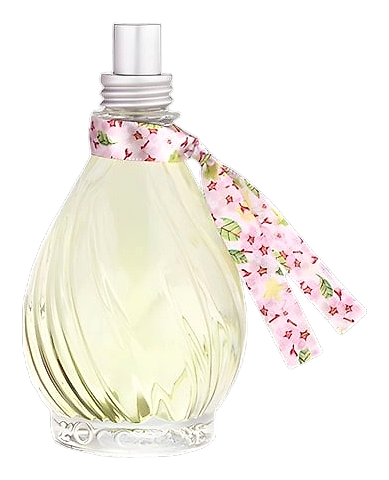
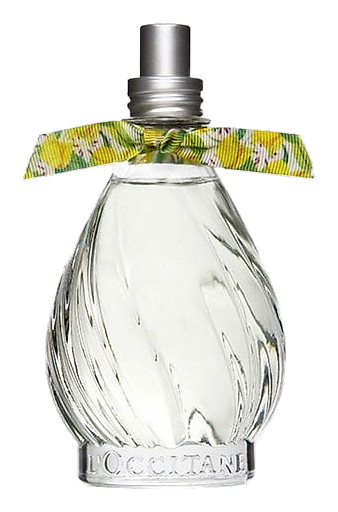
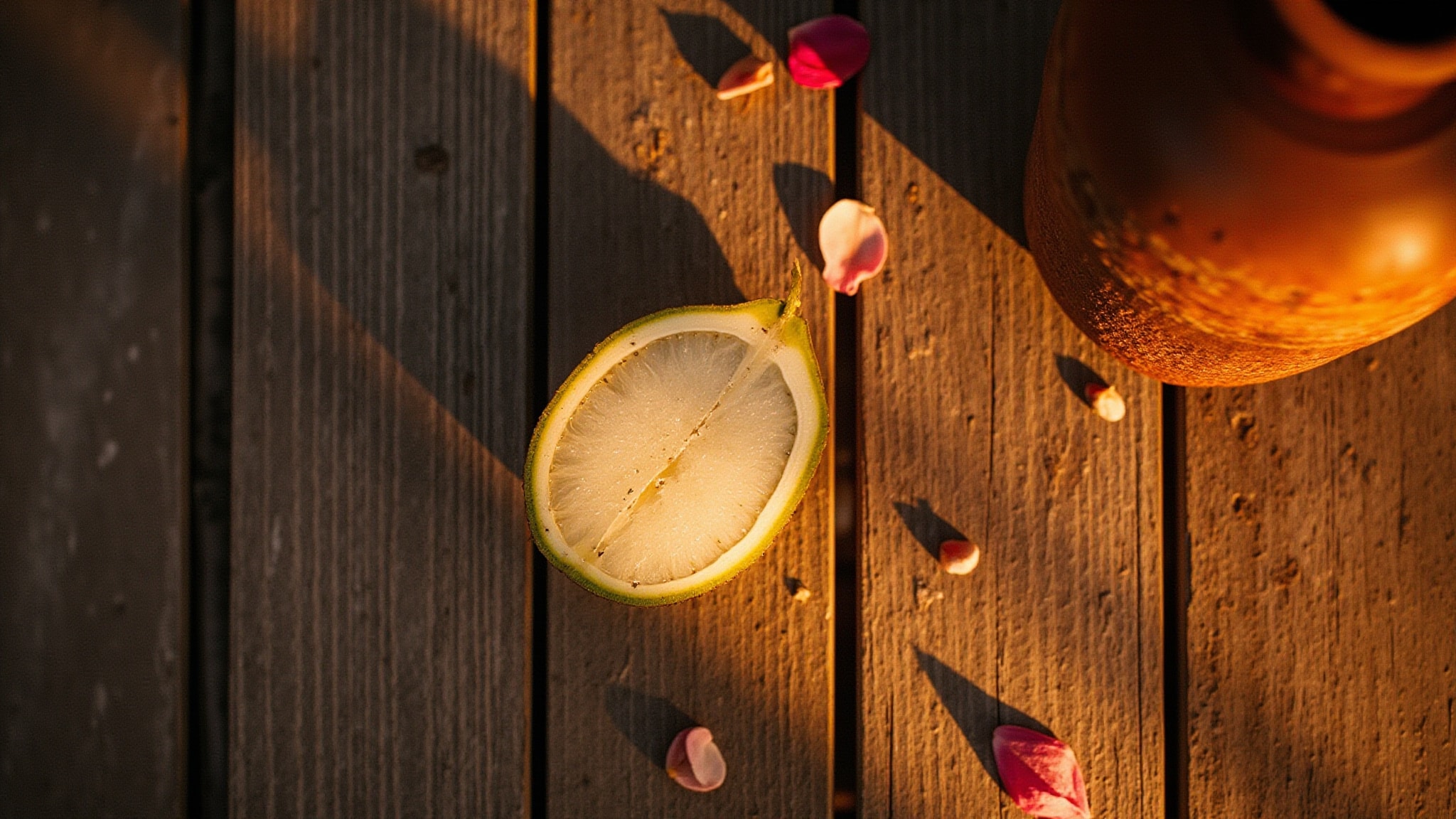
L'Occitane Au Brésil turned to their own backyard for this one. Graviola, soursop, grows wild across Brazil, its white flesh cool and creamy, the kind of fruit you'd find at a roadside stand on a hot afternoon. The brand wanted to bottle that moment. Not the discovery, exactly. More like the aftermath. The sweetness that stays.
What makes this composition work is how it translates that fruit into something you can actually wear. Soursop's natural character is creamy and slightly tart, think custard apple meets citrus. Here, it's paired with magnolia, which shares that creamy white-floral quality. They reinforce each other, creating a bridge between fruit and flower that feels seamless rather than forced. The pink pepper keeps things from becoming too soft, adding a whisper of spice that grounds the sweetness without fighting it.
The evolution
The opening arrives bright. Grapefruit and mandarin zing, sharp enough to catch attention. Then the soursop steps in, suddenly everything feels creamier, warmer. The citrus doesn't disappear; it folds into the fruit instead. Ten minutes in, magnolia takes over, and the whole thing softens into something lush and quiet. The drydown is where amber and benzoin do their work, adding a honeyed warmth that stays close to the skin for hours. It's not a projection bomb. It's the kind of scent someone notices only when they're standing close enough to matter.
Cultural impact
Flor de Graviola arrived in 2016 with an unusual proposition: take a tropical fruit rarely seen in perfumery and build a fragrance around it. The market wasn't saturated with soursop-forward scents then, and it isn't now. What makes this one stand out isn't novelty for its own sake, the soursop actually smells like something worth smelling, not just a marketing hook. The composition treats tropical ingredients with the same seriousness usually reserved for Provençal lavender or Grasse jasmine. That's the quiet distinction.