
The Story
Why it exists.
The beginning
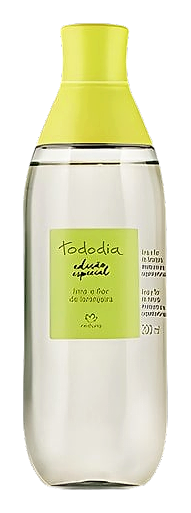
Lima e Flor de Laranjeira arrived in 2019 as Natura's answer to something simple: what happens when a lime accord meets orange blossom, and something unexpected holds it together. The name says exactly what's in it, lime, orange blossom, but the third note is where the story shifts. Leatherwood, a material rarely seen outside Tasmanian-native perfumery, brings a beeswax warmth that changes the conversation entirely. This isn't a fragrance that announces itself. It's a fragrance that settles in and gets comfortable.
Leatherwood is the outlier. In perfumery, it's more talk than ingredient, most formulas reference it in passing rather than place it at the center. When it does appear, it tends to behave: waxy, faintly honeyed, with a drydown that reads almost resinous without being heavy. In Lima e Flor de Laranjeira, it's not hiding in the base. It's part of the structure from the start, keeping the lime honest and the orange blossom grounded rather than letting either drift into stereotype. The combination produces a citrus-floral that actually has somewhere to go when the opening fades.
The evolution
The lime hits first. Sharp, clean, a little tart, the kind of opening that announces itself in under a minute. Then the orange blossom slides in, not as a separate wave but as a softening agent, bringing the lime down from its peak and introducing a waxy, almost creamy sweetness that shifts the whole register. The leatherwood doesn't wait for the drydown to show up. It arrives alongside the orange blossom, adding a faint beeswax warmth that keeps the composition from reading as pure citrus-floral. By the time the lime fades, maybe two hours in, depending on skin, the leatherwood and orange blossom are holding the composition together, a quiet warmth that sits close to the skin. On fabric, it lasts longer. The next morning, there's a faint sweetness at the wrist. Not loud. Not trying to be.
Cultural impact
Lima e Flor de Laranjeira doesn't position itself against any global trend. It's a Brazilian fragrance made primarily for Brazilian wearers, where the lime-orange blossom combination reads as a familiar botanical reference rather than an exotic import. The leatherwood sets it apart in a more subtle way, it's the kind of detail that attracts ingredient-focused enthusiasts who cross-reference fragrance databases and notice something unusual in the pyramid. For those wearers, it's a quiet point of pride: a mainstream release from a regional house that doesn't play it safe with the base.