The Story
Why it exists.
The beginning
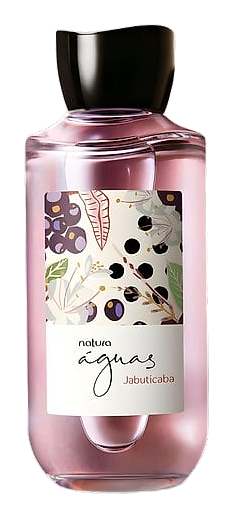
Jabuticaba, Myrciaria cauliflora, is a small, dark-purple fruit native to the Brazilian Atlantic Forest. The jabuticabeira grows fruit directly on its trunk and branches, so the fruit appears to emerge from bark. It's a striking image: clusters of near-black berries hanging from wood like unexpected punctuation. The fragrance translates that encounter into scent: the first impression is bright, almost effervescent, with a wine-like sweetness that signals its origin immediately. Natura's creative team has always drawn from Brazilian botanical heritage, and jabuticaba offered something rare, a fruit note that Western perfumery rarely uses, carrying cultural specificity alongside its olfactory character.
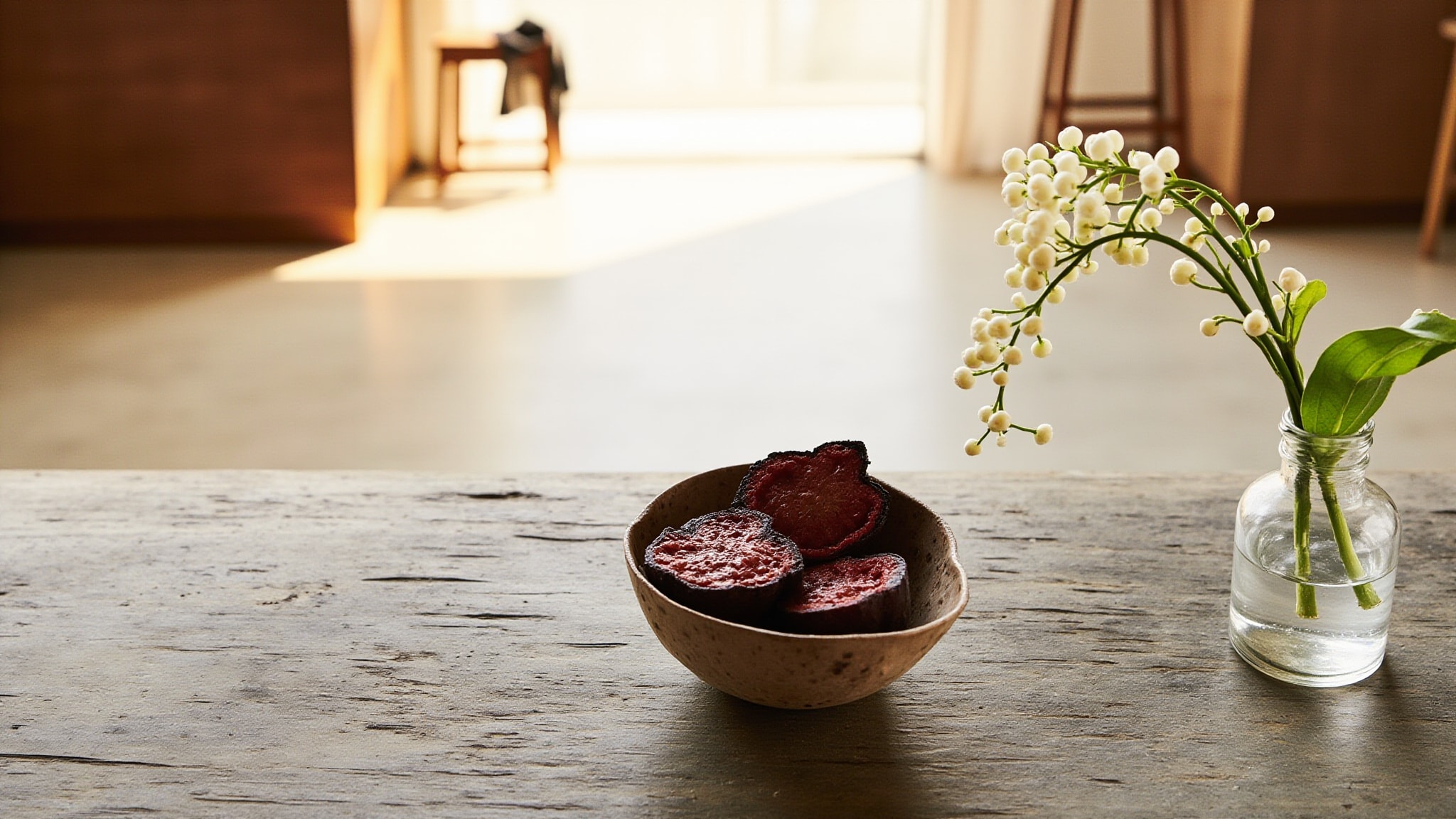
The composition's tension lives in a quiet contradiction: the fruit opens sweet and bright, but lily of the valley keeps it grounded, a white floral with a clean, almost mineral edge that prevents the sweetness from tipping into dessert territory. Jasmine adds depth, but it's the touch of cinnamon in the heart that does the real work: a spice note that bridges the gap between tropical fruit and European florality, creating a midpoint that feels neither one nor the other. Cedar and musk anchor the drydown into something skin-like and warm, extending the wear without adding weight.
The evolution
The opening hits immediately: jabuticaba's brightness, amplified by apple and bergamot. If you've never encountered the fruit, it reads as a generically tropical note, something sweet, slightly tart, without being citric. There's a crispness from the bergamot that keeps the sweetness from settling. The first thirty minutes feel like the fruit is being eaten, not worn, immediate, present, refreshing. Around the hour mark, the heart takes over. Lily of the valley emerges with a clean green quality that seems to cool the composition, even as jasmine and cinnamon add warmth. The cinnamon is subtle but persistent, a thread of spice that prevents the florals from becoming too delicate. This is the longest phase, stretching from hour one through hour three or four, and it shifts the fragrance's character from fruity to floral without losing the earlier warmth. The drydown belongs to musk and cedar. These notes don't compete for attention, they wrap what came before, creating a skin-like warmth that settles close and stays.
Cultural impact
Wearers describe Jabuticaba as the fragrance of someone who walks into a room and doesn't need to announce themselves, approachable, warm, unobtrusive. The mix of tropical fruit and white florals creates something fresh without being overly sweet, with a late-summer quality that works across cooler months. The moderate sillage makes it a comfortable everyday choice, particularly for daytime wear. The jabuticaba note itself is distinctive enough to set it apart from more common fruity-floral compositions, though it may lack the complexity some seek from niche perfumery.