The Story
Why it exists.
The beginning
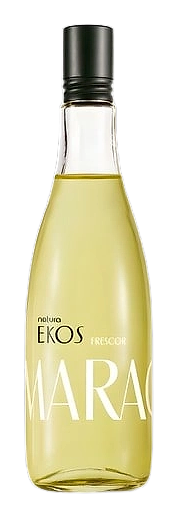
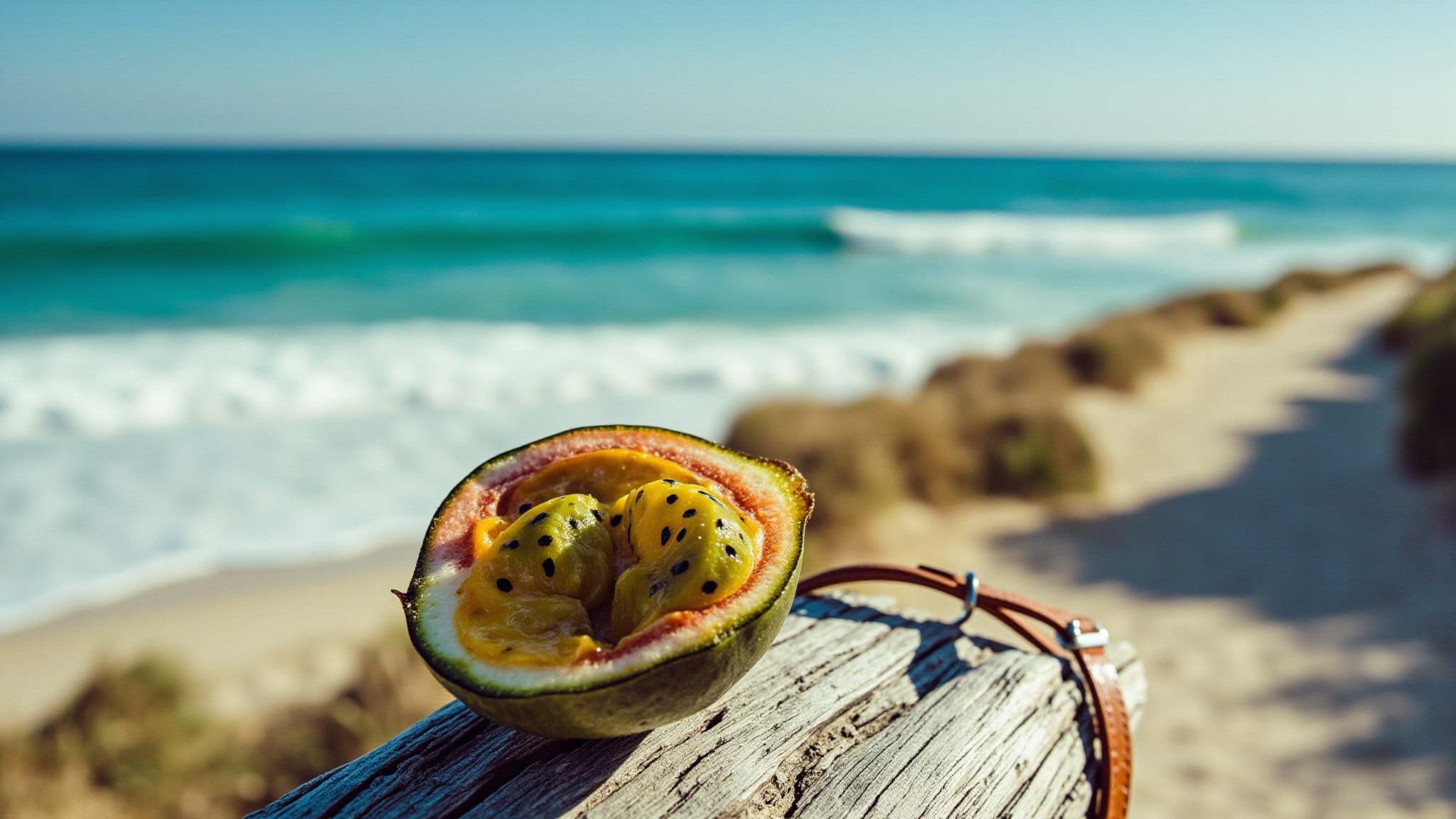
In 2003, perfumer Francisca Perez Areias set out to do something the Ekos line did better than almost anyone, take a Brazilian ingredient and make it the whole point. Maracujá, passion fruit, is unmistakable in South American markets: the green-tart flesh, the floral back note, the seeds that catch on the teeth. It's not subtle. Areias decided that was the whole idea. Instead of softening the fruit into something polite, she let it lead, and built a structure around it that could contain the brightness without killing it. Cedar, musk, a whisper of oakmoss. The tropical as a complete thought.
The structure is worth pausing on. Chypre Fruity is an unusual category, the mossy, woody backbone of a traditional chypre meant to ground and mature the fruit, preventing it from floating away into air freshener territory. Areias used that architecture deliberately. The passion fruit opens sharp, almost medicinal in its greenness, then settles into the floral heart where jasmine and lily of the valley pull it softer. Rose is quiet here, more texture than statement. The real work happens in the base: cedarwood and sandalwood create the frame, oakmoss gives it that earthy depth that chypre lovers crave, and musk smooths everything into something that lasts well past the first hour.
The evolution
First minute: passion fruit hits first, aggressive and clean, the tartness almost stinging before bergamot and mandarin round the edges. Rosemary is the surprise here, herbal, almost savory, keeping the sweetness from being one-note. Ten minutes in, the anise surfaces, a faint licorice whisper that adds intrigue without demanding attention. By the half hour, the jasmine and violet arrive, turning the brightness into something softer, powdery even. The drydown is where this fragrance earns its reputation. Cedar arrives dominant, warm and slightly dry, with sandalwood keeping it creamy underneath. Oakmoss lingers in the background, giving the base a green-earth shadow. Musk stays close to skin, intimate, not projecting, the kind of presence that someone beside you notices before the room does. Six to eight hours later, there's still something there: wood and a ghost of fruit, skin-warm, never quite gone.
Cultural impact
Frescor de Maracujá arrived in 2003 as part of Natura's Ekos collection, which has built its identity on sourcing tropical Brazilian ingredients and making them the protagonist rather than a supporting note. Within the house, it represents a deliberate choice: tropical fruit as serious perfumery, not a footnote. Community reception has been consistently strong on longevity and sillage, users note it as a fragrance that projects and persists, unusual for a fruity composition. The 2003 launch predates the modern niche tropical fragrance wave by over a decade, positioning this as a quiet original in a category that later became crowded.