Jabuticaba
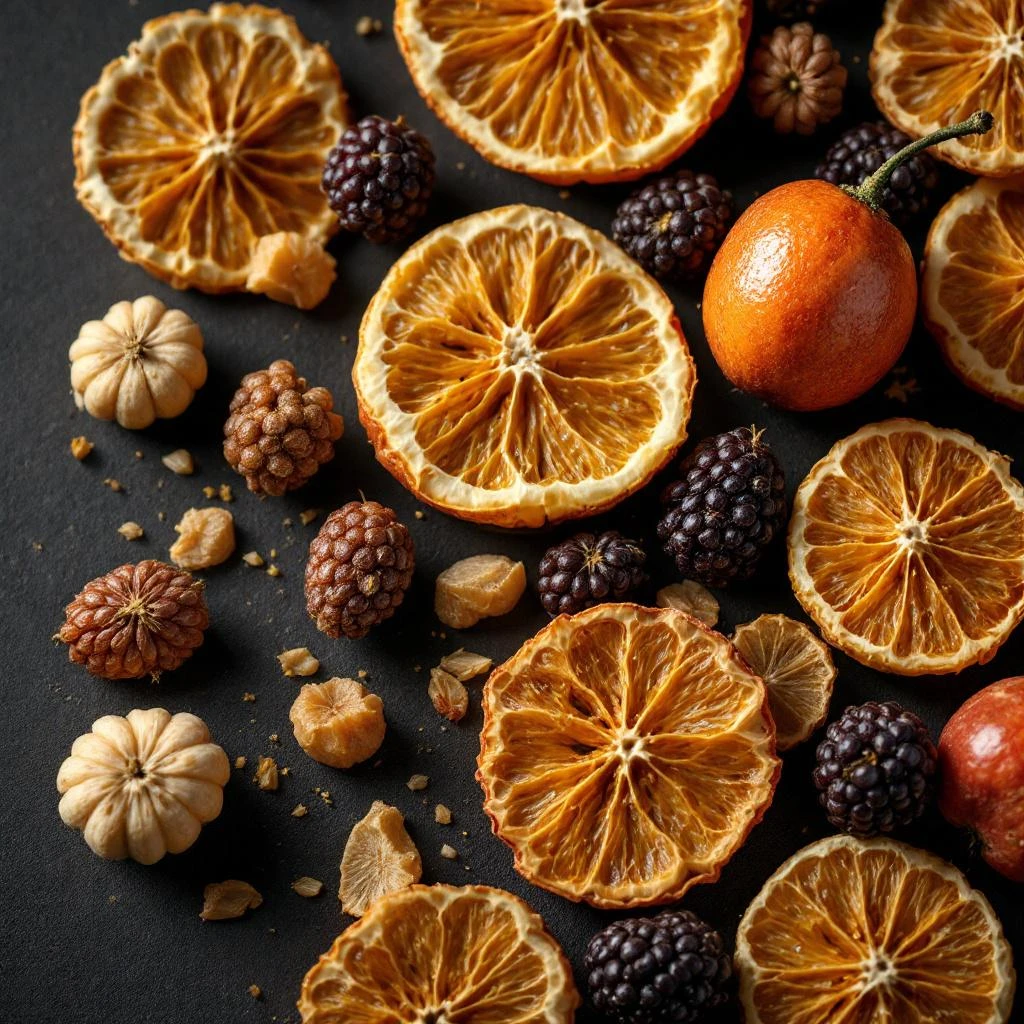
Jabuticaba brings an intoxicating grape-wine freshness to fragrances, capturing the essence of Brazil's beloved tree grape with its dark, jammy fruit character.
Character
How it smells
Brazil's tree grape, now in your bottle
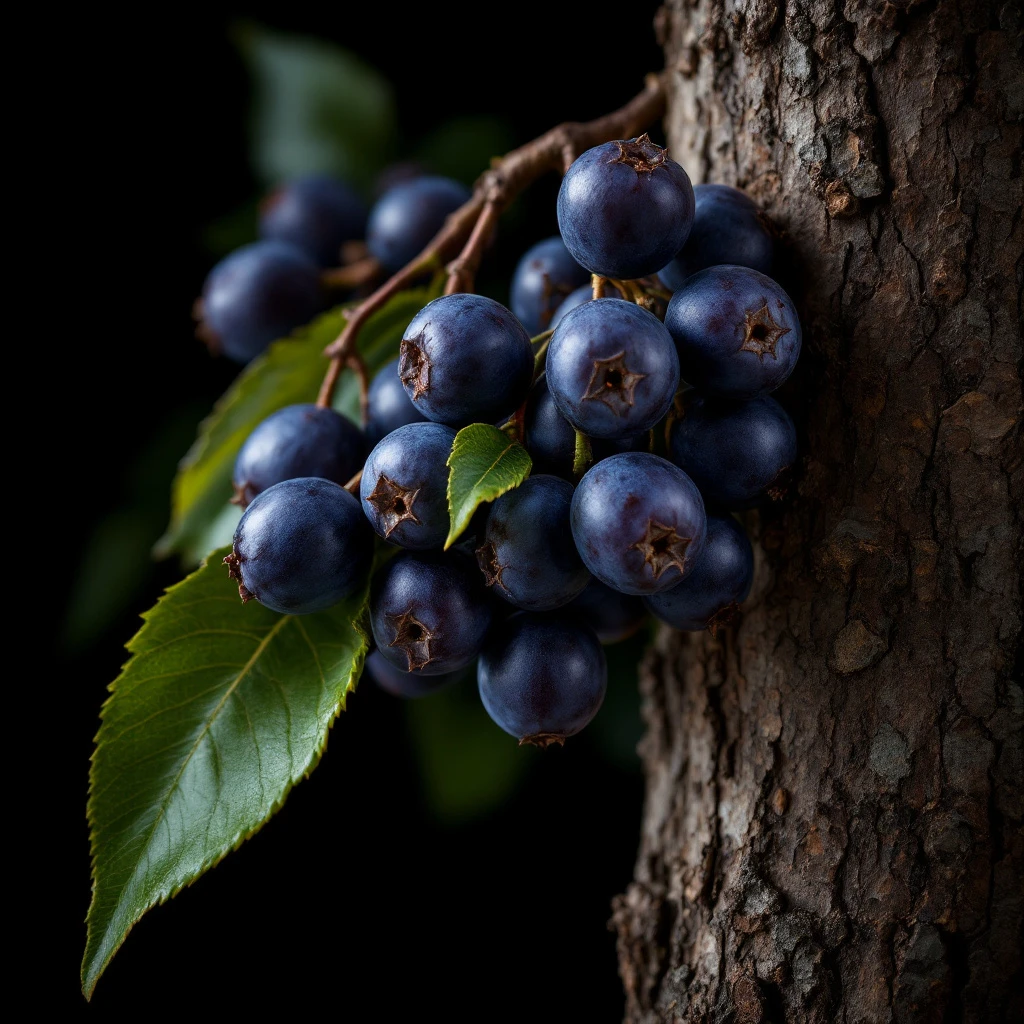
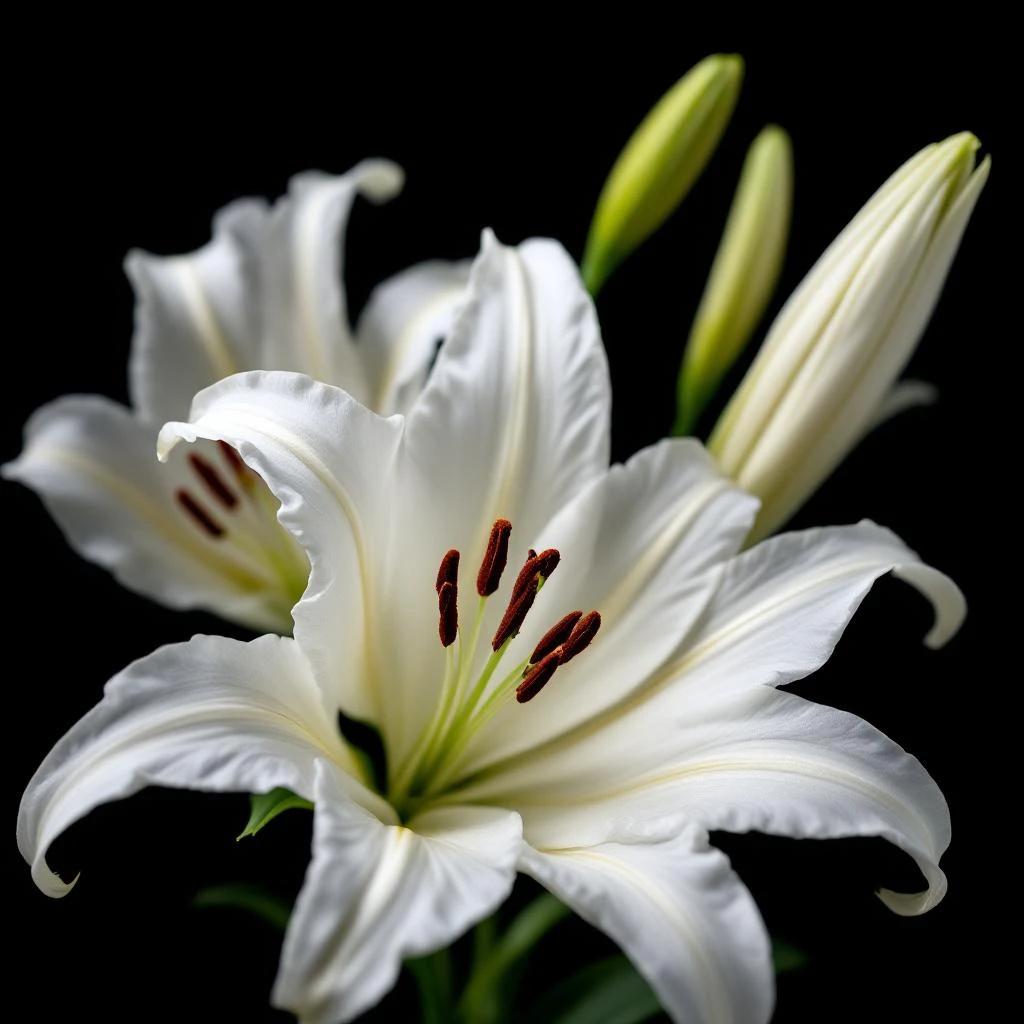
Jabuticaba fruits grow directly on the tree trunk, a phenomenon called cauliflory that makes harvesting look like picking grapes off bark.






Origin
Brazil
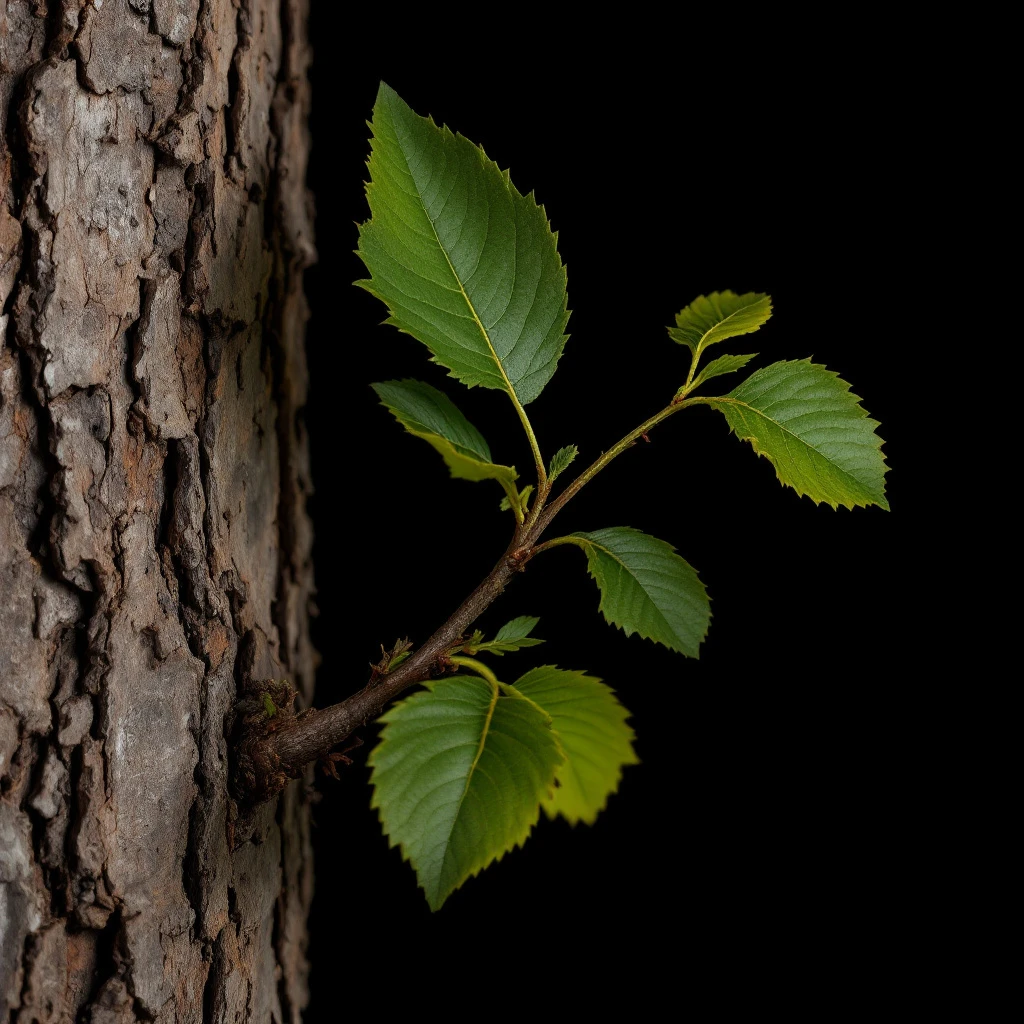
Jabuticaba has grown wild across southeastern Brazil for centuries, holding deep cultural significance long before perfumery took notice. Brazilian communities used the fruit to make wines, liqueurs, and traditional medicines. The tree appears in colonial-era writings, valued more for its abundant fruit than ornamental appeal.
Only recently have perfumers explored jabuticaba's aromatic potential, drawn by its unique combination of grape-like sweetness and wine-like depth. This marks jabuticaba as an emerging ingredient in contemporary perfumery rather than a historical staple, offering a distinctly Brazilian fruity note that stands apart from more common berry materials.
Wears it best
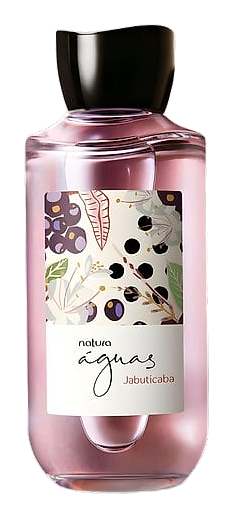
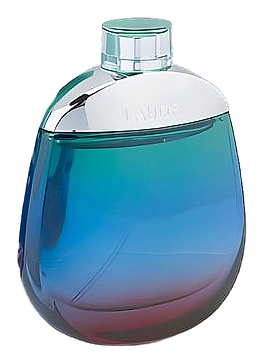
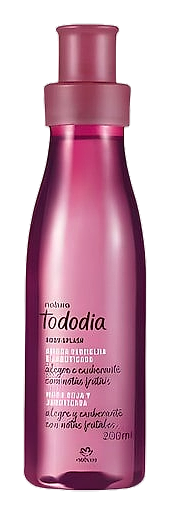
Fragrances featuring Jabuticaba
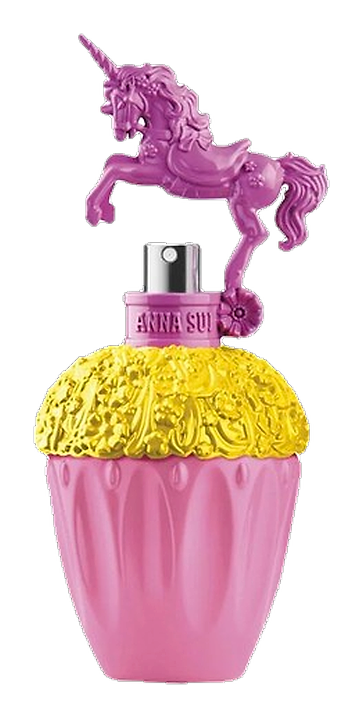
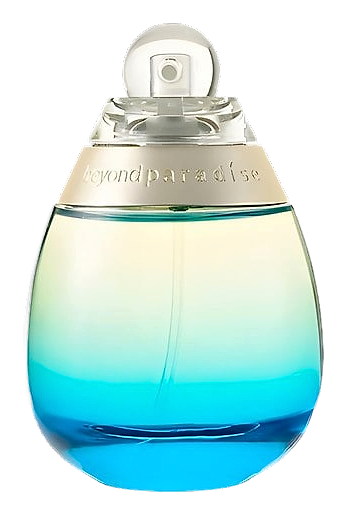
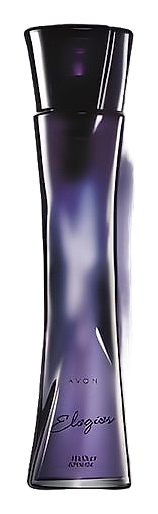
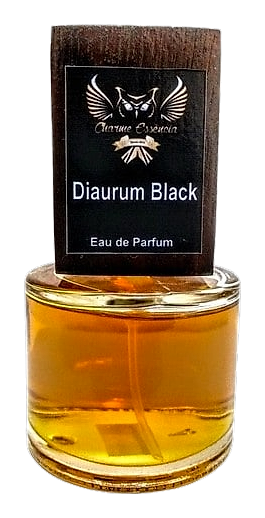
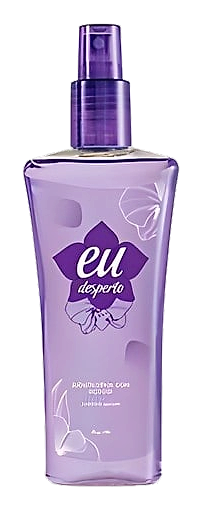
Brands
Brands known for Jabuticaba
Good to know
Questions, answered
The essentials on Jabuticaba in perfumery: how it smells, where it comes from, and how it behaves on skin.
What does jabuticaba smell like in fragrance?
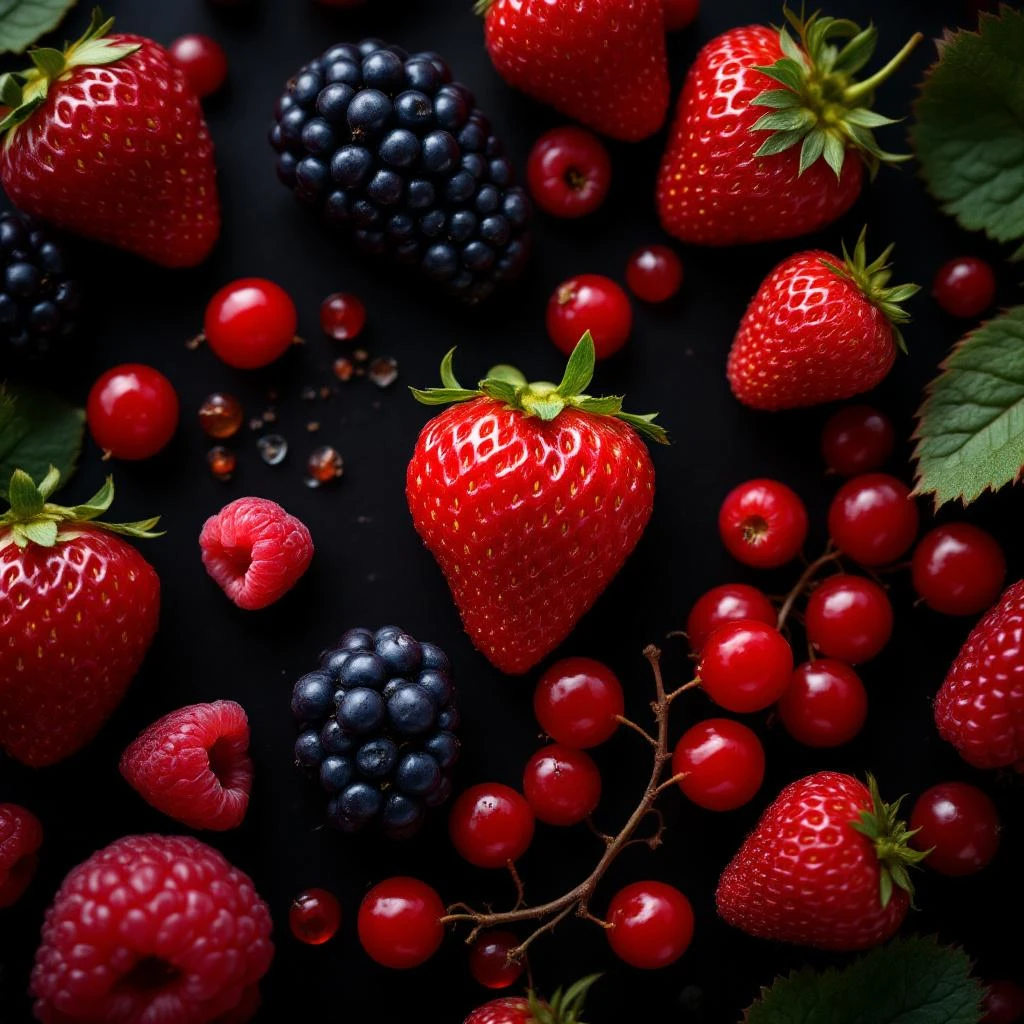
Jabuticaba delivers a rich, dark fruit scent combining grape, blackberry, and wine notes with a characteristic jammy sweetness.
Is jabuticaba used in mainstream perfumes?
Jabuticaba remains uncommon in perfumery, appearing primarily in niche fragrances that highlight exotic Brazilian ingredients.
Why does jabuticaba grow on tree trunks?
This growth pattern, called cauliflory, likely evolved to attract ground-dwelling animals that eat the fruit and disperse seeds.
Can jabuticaba be distilled for essential oil?
Standard steam distillation produces poor results with jabuticaba, so perfumers rely on solvent extraction or synthetic recreations instead.
What gives jabuticaba its distinctive grape-wine aroma?
The fruit contains aromatic compounds similar to those in wine grapes, including various esters and volatile molecules that develop during ripening.
Where does jabuticaba grow naturally?
Plinia cauliflora is native to southeastern Brazil, particularly Minas Gerais and Rio de Janeiro states, thriving in Atlantic Forest regions.
How is jabuticaba different from regular grapes in perfumery?
Jabuticaba adds wine-like fermentation depth and a more jammy, less acidic quality compared to European grape extracts used in perfumery.
Does synthetic jabuticaba exist in perfumery?
Yes, fragrance chemists have developed synthetic aroma compounds that replicate jabuticaba's signature dark fruit profile for broader use.