Paperbark
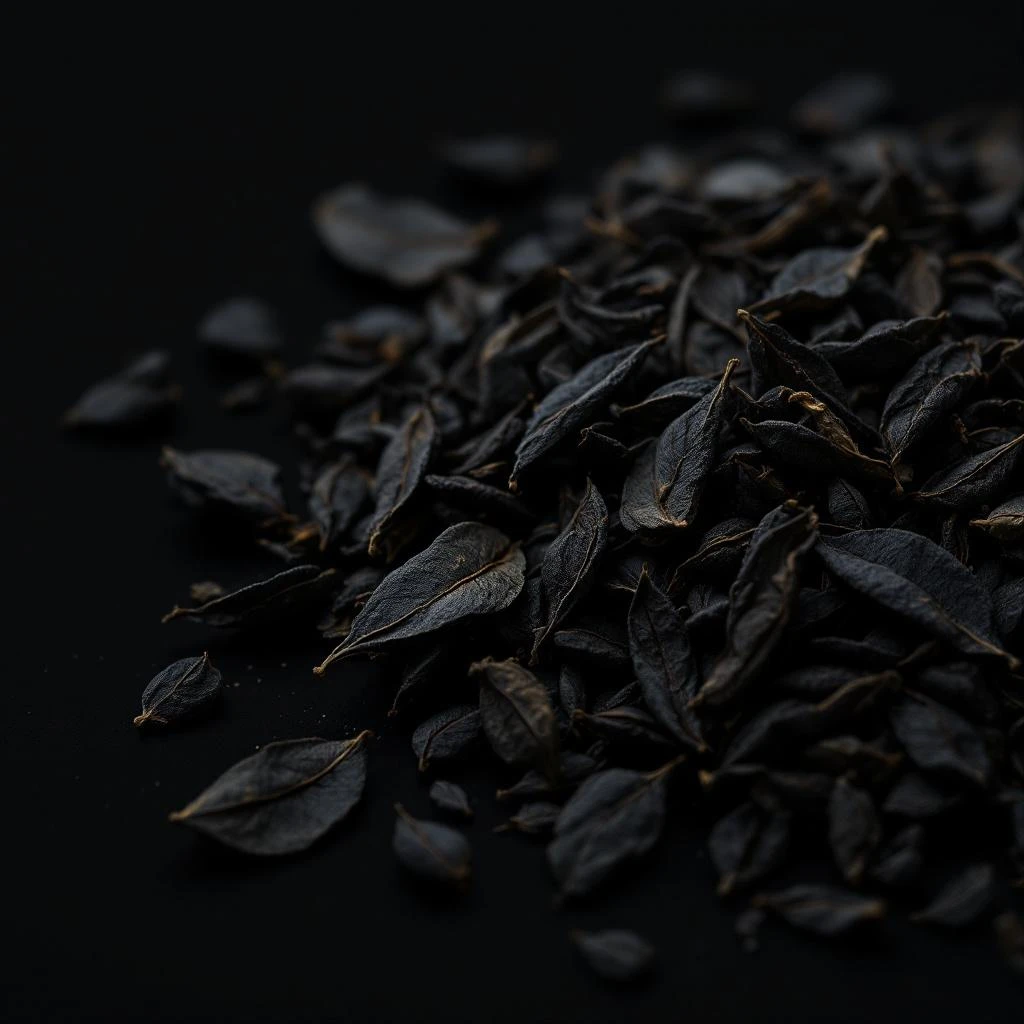
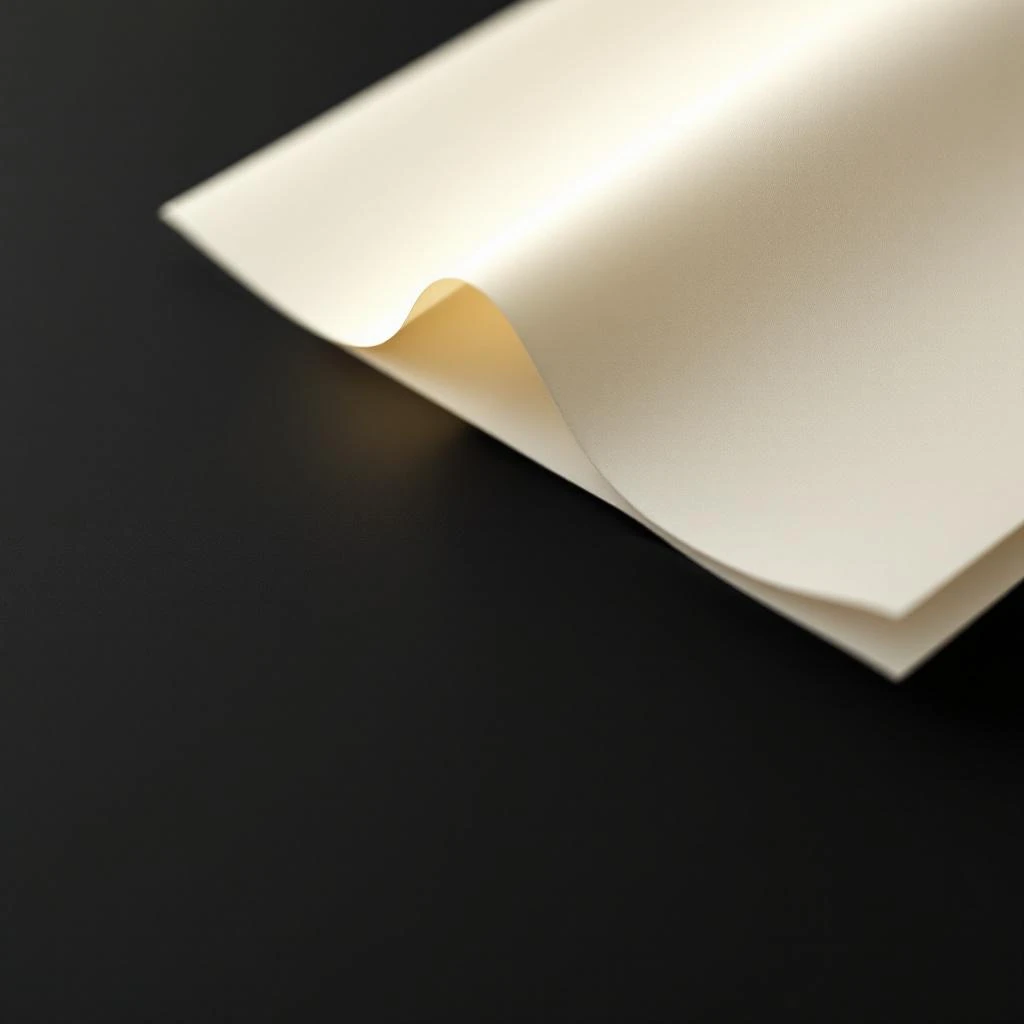
Paperbark brings a dry, woody warmth to fragrances with its distinctive papery bark, offering subtle smoky undertones and a clean, airy quality that adds depth without weight.
Character
How it smells
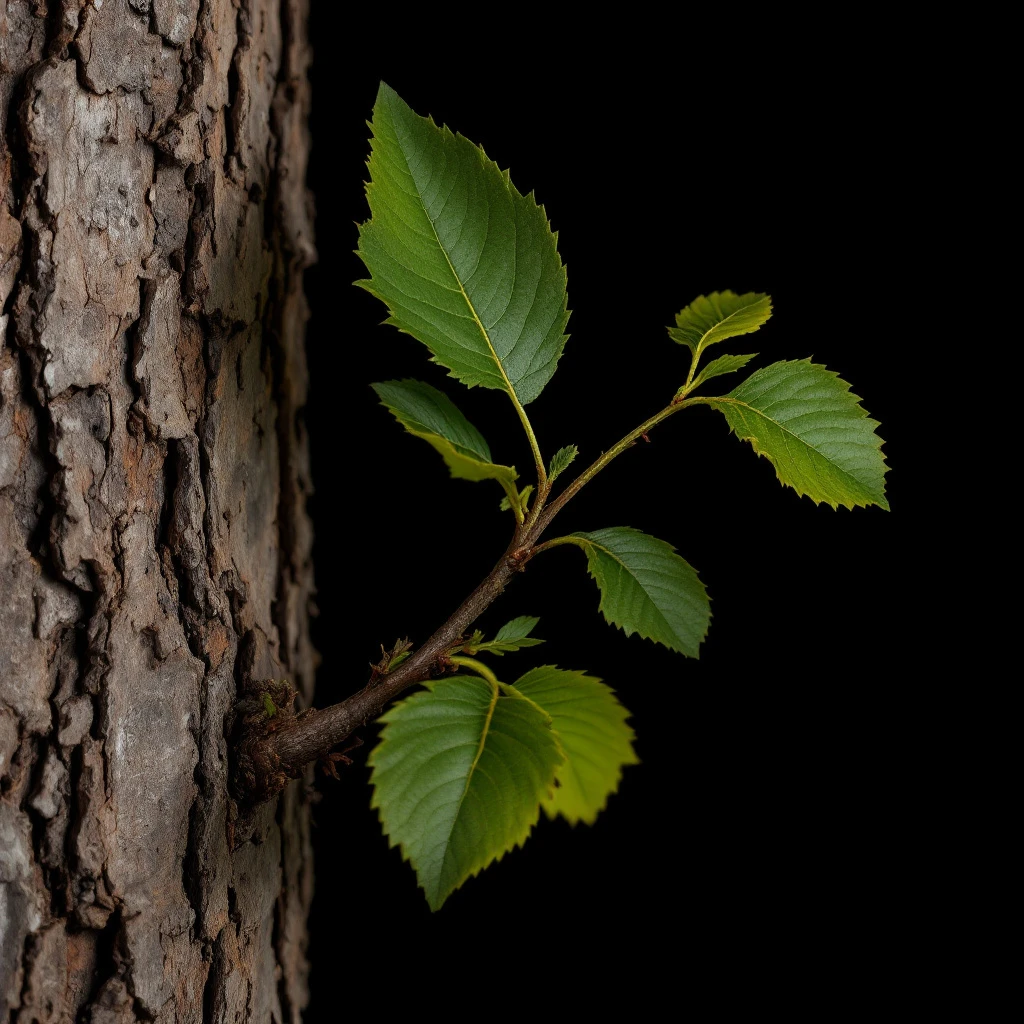
The airy warmth of Australian bushland, captured in bark.
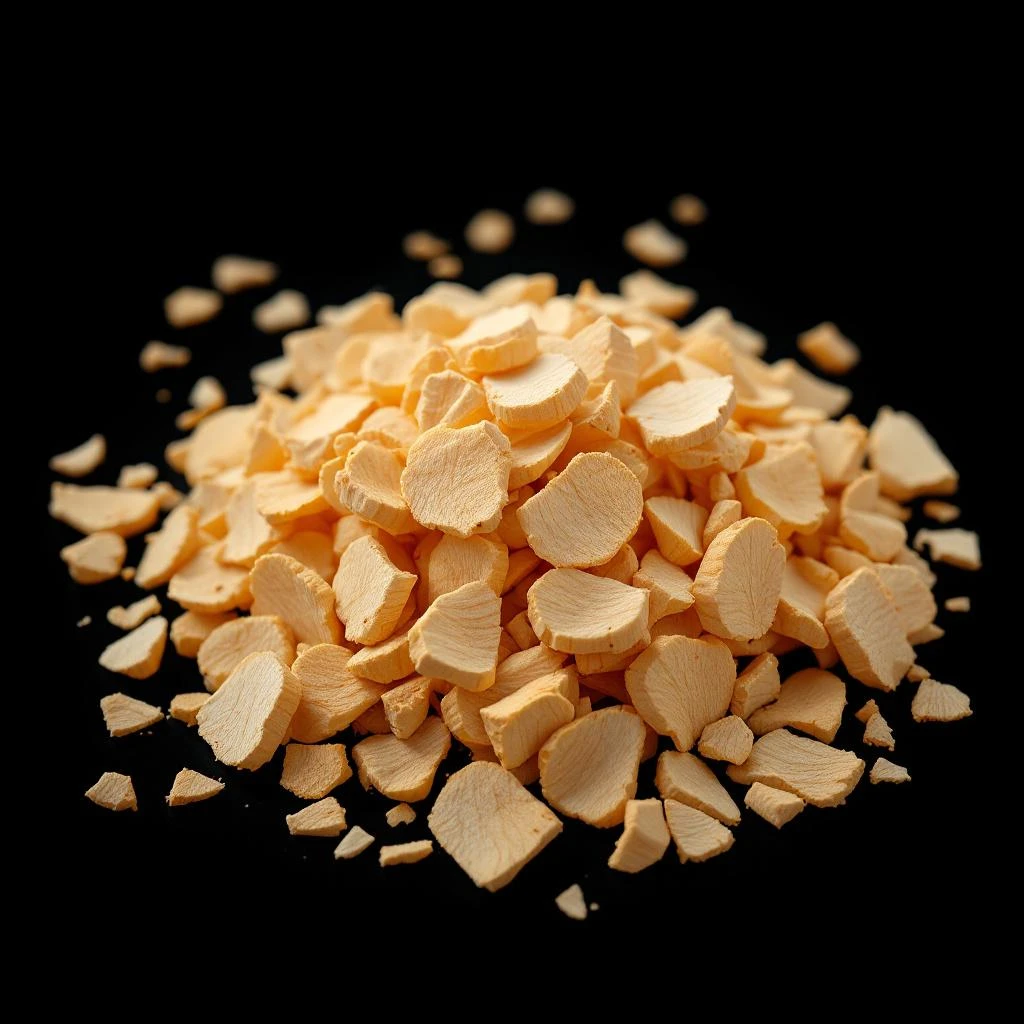
Paperbark trees shed their outer layers continuously, creating the signature layered, peeling bark that can be pulled apart by hand.





Origin
Australia
Indigenous Australians have long used paperbark from Melaleuca trees for practical and ceremonial purposes for thousands of years. They fashioned the easily separated bark into waterproof shelter coverings, bedding, and wrapping for food storage.
The aromatic properties of the bark would have infused these everyday objects with their subtle woody fragrance. Early European settlers observed these practices and adopted similar uses.
The connection between Australian botany and perfumery grew as distillation techniques improved in the 19th and 20th centuries. Today, paperbark extracts represent a distinctive Australian contribution to the global perfumery palette, valued for their unique dry woody character that differs from cedar, sandalwood, or vetiver.
Wears it best
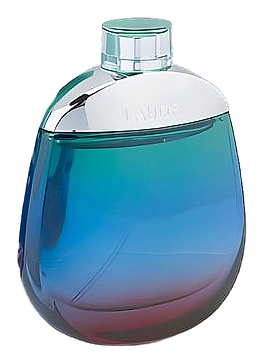
Fragrances featuring Paperbark
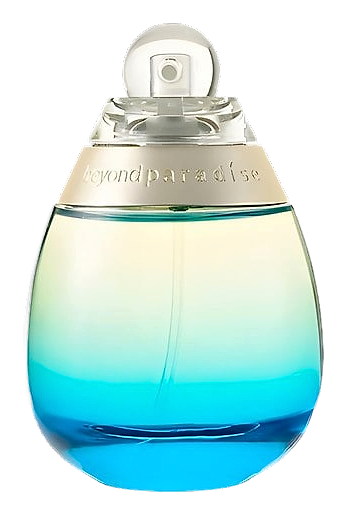
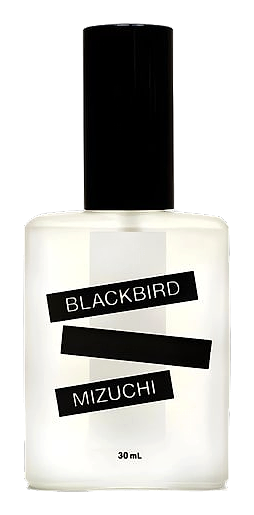
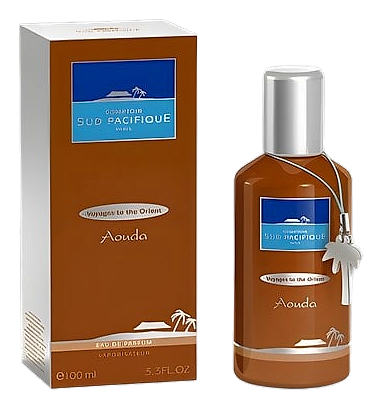
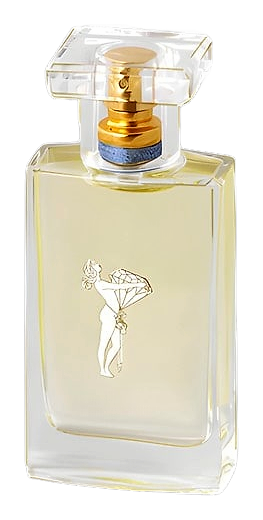
Brands
Brands known for Paperbark
Good to know
Questions, answered
The essentials on Paperbark in perfumery: how it smells, where it comes from, and how it behaves on skin.
What does paperbark smell like in perfume?
Paperbark delivers a dry, woody aroma with clean, airy qualities and subtle smoky undertones. It adds warmth without heaviness, creating a distinctive paper-like dryness that blends well with resins and other woody materials.
Is paperbark a natural or synthetic ingredient?
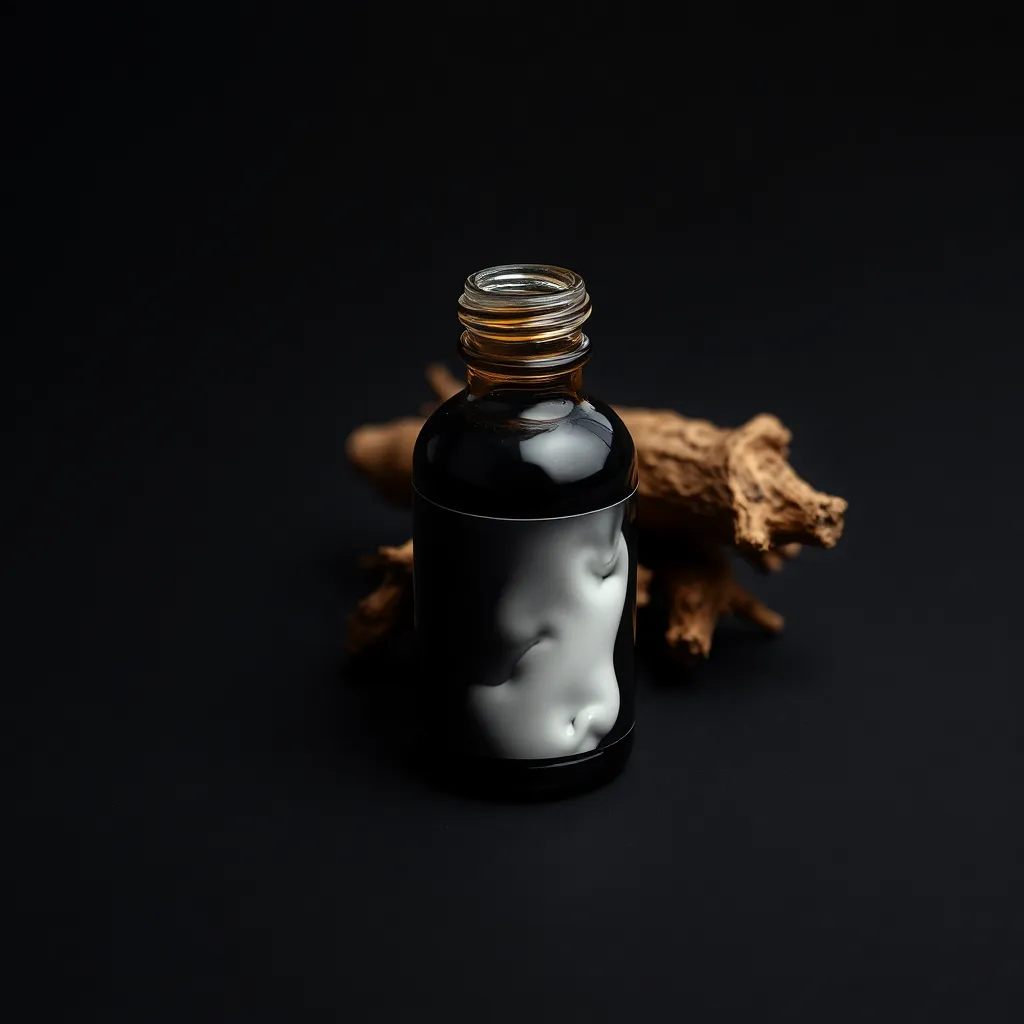
Paperbark is a natural ingredient derived from Australian Melaleuca species. Perfumers extract it through steam distillation of the bark and leaves, preserving the distinctive woody, papery character of the tree.
Where does paperbark originate from?
Paperbark comes from Melaleuca trees native to Australia, particularly abundant in coastal regions of New South Wales and Queensland. These trees thrive in wetland areas and are recognized by their distinctive papery, peeling bark.
How is paperbark oil produced?
Producers harvest paperbark through steam distillation, passing steam through chopped bark and leaves to release the aromatic compounds. The resulting oil is then separated from the water condensate. Sustainable harvesting ensures trees regenerate after bark collection.
Does paperbark appear frequently in perfumery?
Paperbark remains an uncommon but distinctive ingredient, primarily used by perfumers seeking to create Australian-inspired or dry woody compositions. Its unique paper-like quality makes it a niche material rather than a mainstream note.
What fragrance families use paperbark?
Paperbark works well in woody, aromatic, and fougere compositions. Perfumers pair it with other woods, herbs, and resins to add dry, papery warmth without the heaviness of traditional base notes.
Are there sustainability concerns with paperbark?
Most commercial paperbark production comes from managed plantations or carefully regulated wild harvesting. Sustainable practices allow bark collection without killing trees, as the outer layers regenerate naturally over time.
Can paperbark be combined with other woody notes?
Paperbark blends seamlessly with sandalwood, cedar, and vetiver, adding an airy, dry dimension that lightens heavier woods. It also complements herbaceous notes like lavender and eucalyptus for a distinctly Australian character.