
The Story
Why it exists.
The beginning
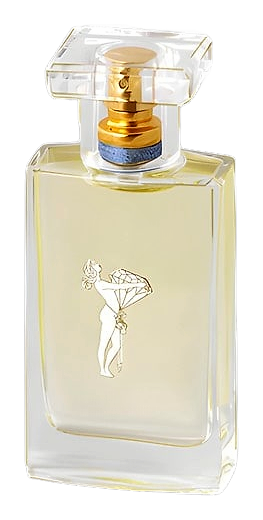
Passerelle is French for bridge. Steven Broadhurst designed this 2012 composition as exactly that, a crossing between Australian botanical ingredients and the formal structure of French perfumery. The Australian spring offers yellow wattles, boronia buds, and honeyed myrtle that don't exist in the classical French palette at all. Broadhurst brought them in anyway, treating the gap between the two traditions not as a problem to solve but as the actual concept. The name arrived first. The fragrance followed.
What makes the structure unusual is the volume of yellow florals at the heart. Mimosa, yellow rose, honeysuckle, these notes carry weight and warmth that most white florals don't. The freshness comes from the top: boronia and paperbark give the opening its green-dewy quality, while honey sweetens without cloying. The real work is done by petitgrain, which keeps the entire composition threaded with green stem throughout. It doesn't let the florals float away into abstraction. It holds them to the plant.
The evolution
The opening announces itself with dewy florals, boronia and paperbark first, green and alive, before the honeyed sweetness of mimosa takes over. The first thirty minutes feel like rain on Australian bush. Then the green notes recede. Honeysuckle and angel's trumpet move in, warm and full-bodied, and the composition stops pretending it's anything but floral. This is the heart: golden, sunlit, slightly heady. Three to four hours in, the petitgrain resurfaces, a green undertone that keeps the yellow florals grounded rather than letting them drift into powder. The drydown belongs to Australian sandalwood. Creamy, woody, and close to the skin. The florals thin out but don't fully disappear. You catch them when you move. That persistence is the real payoff.
Cultural impact
Passerelle occupies an unusual position: a bridge between two floral traditions that rarely overlap. Australian native ingredients, boronia, paperbark, Australian sandalwood, are not standard vocabulary in French perfumery. Broadhurst used them anyway, treating geographic distance as a design feature rather than an obstacle. The fragrance attracted attention from enthusiasts internationally who recognized it as something genuinely outside the expected range, even as it remained a boutique release from Sydney. Its yellow floral character sets it apart from the white floral and citrus profiles that dominate fresh women's fragrance. Wearers describe it as the scent of someone who found something most people haven't.