Angel's Trumpet
A paradox in perfumery: Angel's Trumpet blooms with intoxicating night fragrance yet produces no commercial extract. Gardens worldwide grow it for its dramatic scent, but perfumers must recreate its secrets synthetically.
Character
How it smells
Night-blooming beauty with no commercial extract.
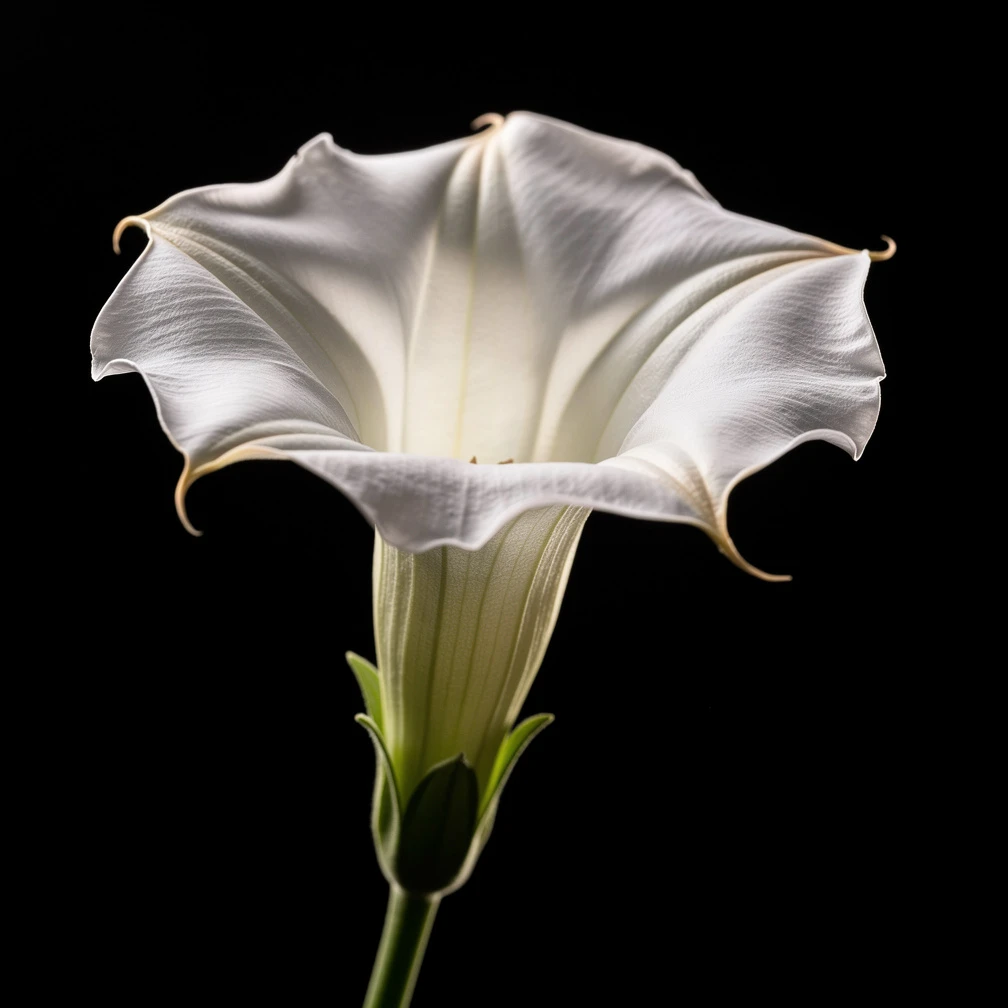
Angel's Trumpet flowers open only after sunset, releasing their full fragrance under cover of darkness.







Origin
Brazil
Brugmansia takes its scientific name from Sebaldinus Brugmans, an 18th-century Dutch botanist, though indigenous peoples of South America cultivated these plants long before European cataloging began. The nightshade family member originated in the Andes region, where Andean cultures incorporated the plant into ceremonial and medicinal practices, though its toxicity required careful handling. Spanish colonial expansion brought knowledge of the plant northward, and horticulturalists across Europe began growing it in orangeries and conservatories during the 17th and 18th centuries.
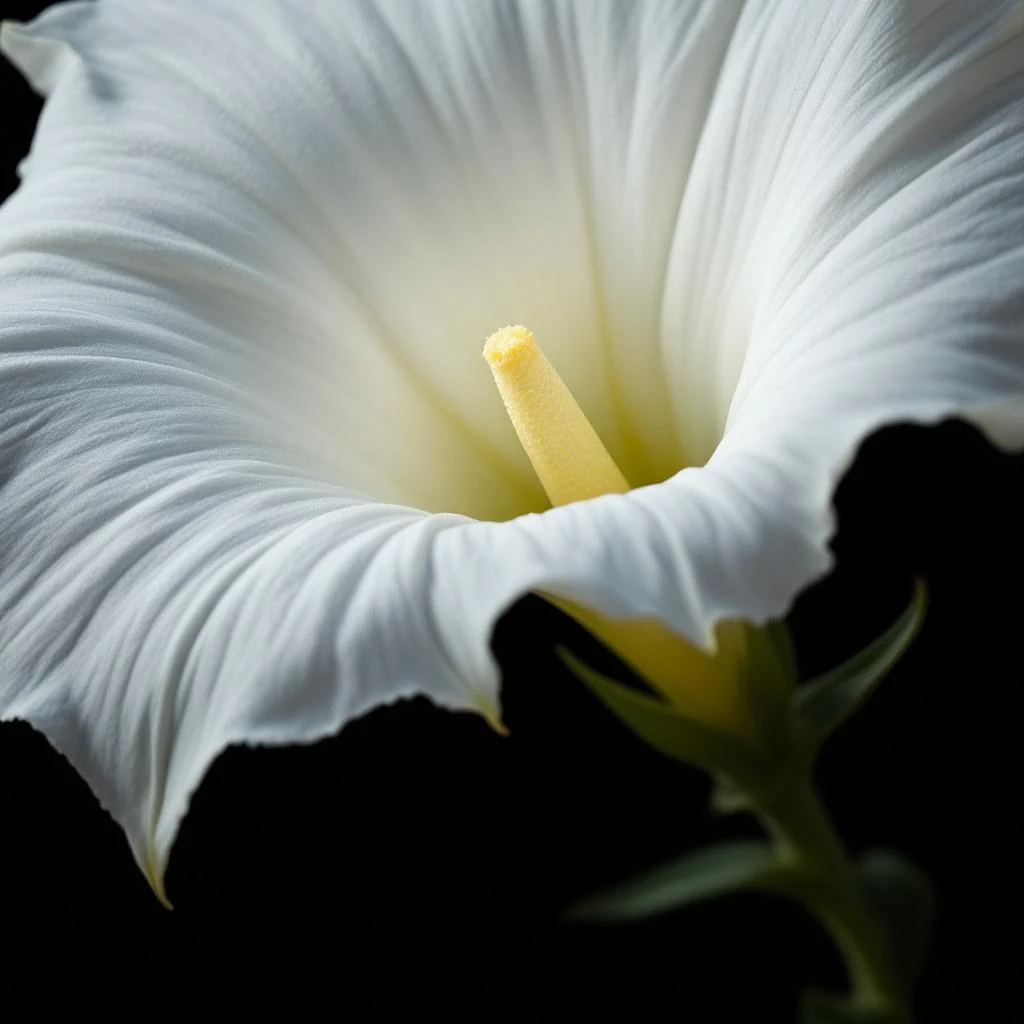
The common name "Angel's Trumpet" references both the pendulous, trumpet-shaped flowers that can reach 20 centimeters in length and the dramatic visual impact of a mature plant in full bloom. Today, Brugmansia grows ornamentally worldwide in temperate climates during summer months, with greenhouse cultivation allowing year-round appreciation of its nightly performance.
Wears it best
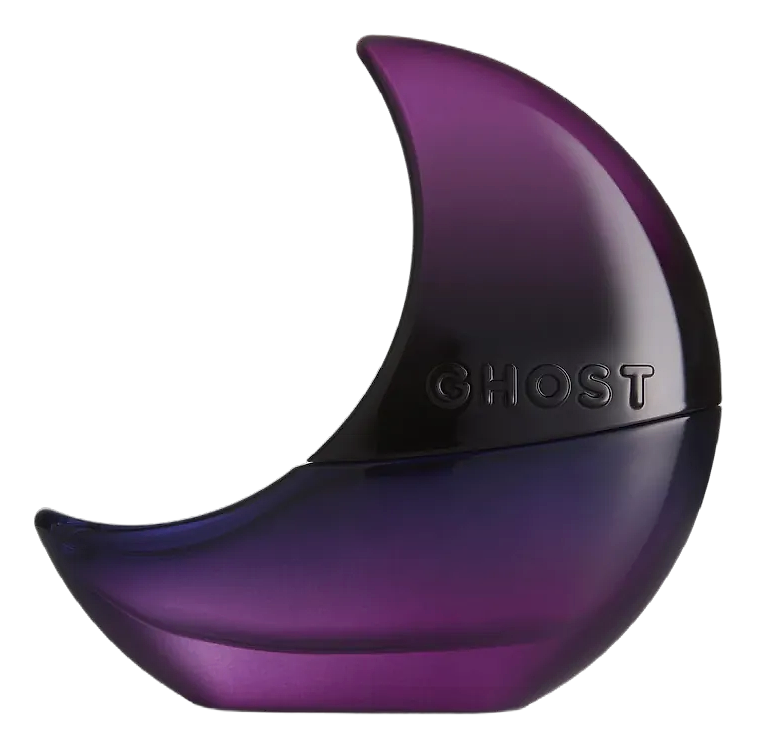
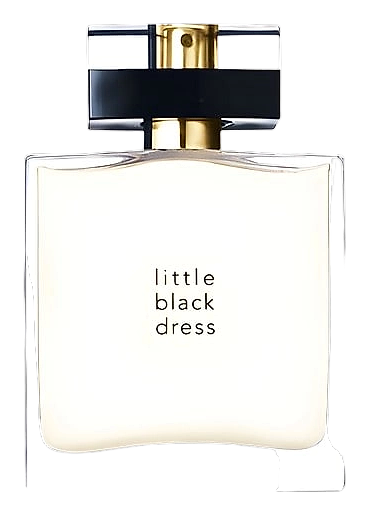
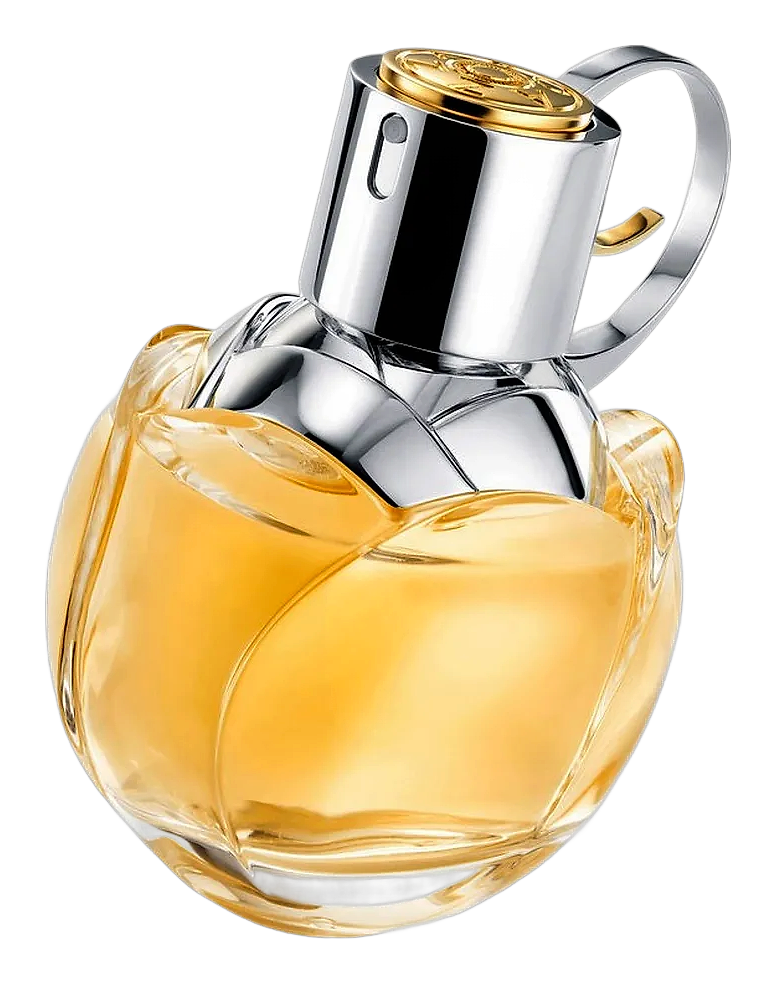
Fragrances featuring Angel's Trumpet


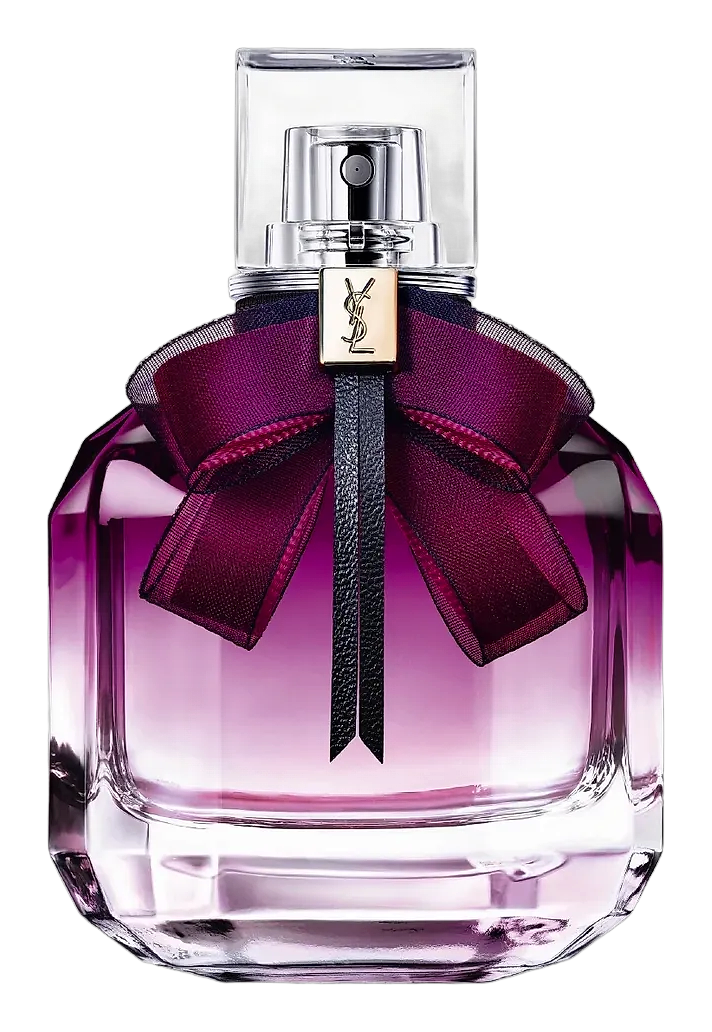
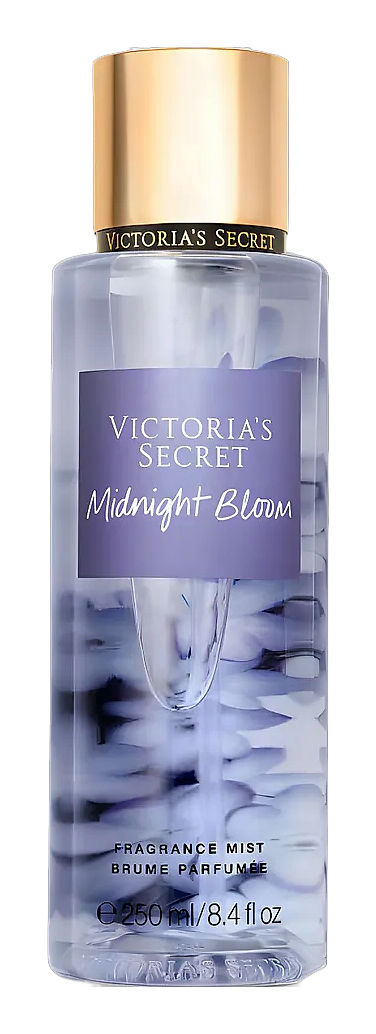
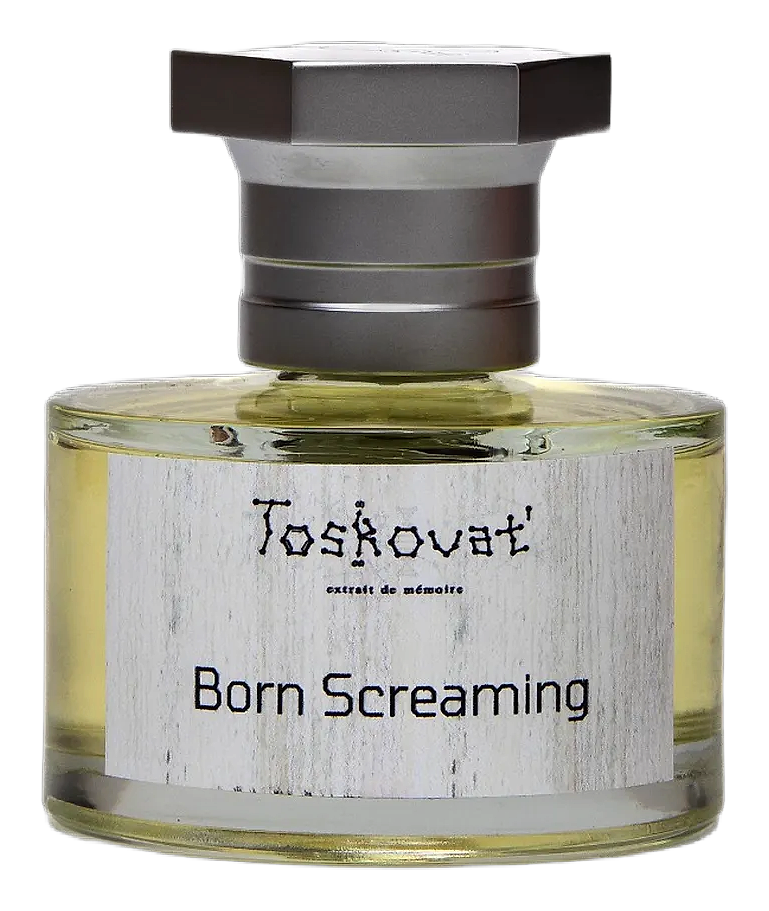
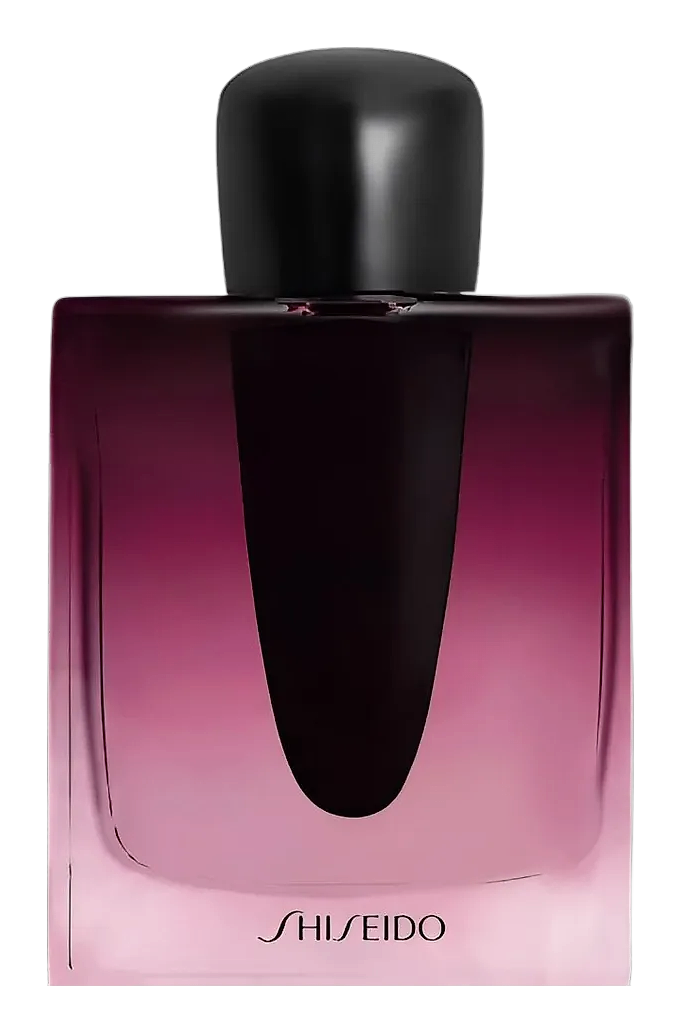
Brands
Brands known for Angel's Trumpet
Good to know
Questions, answered
The essentials on Angel's Trumpet in perfumery: how it smells, where it comes from, and how it behaves on skin.
Is Angel's Trumpet a natural ingredient in perfume?
Angel's Trumpet does not exist as a natural extract. No commercial essential oil, absolute, or CO2 extract is produced from Brugmansia flowers. Perfumes featuring this note use synthetic aromatic compounds or naturally-derived materials that approximate its characteristic scent.
Why is Angel's Trumpet used in perfumery if it cannot be extracted?
Brugmansia's intoxicating night fragrance has inspired perfumers to analyze its aromatic profile and recreate it synthetically. Heretic Parfum's Angel's Trumpet contains 51% naturally-derived ingredients according to ISO 9235, using compatible naturals rather than the flower itself.
What does Angel's Trumpet smell like?
Angel's Trumpet emits a sweet, intoxicating, almost narcotic fragrance that intensifies after sunset. Individual varieties (like different rose cultivars) express different scent characteristics, ranging from citrusy to deeply floral with creamy undertones.
Is Angel's Trumpet safe to grow in gardens?
All parts of Brugmansia contain toxic alkaloids, particularly in the leaves and seeds. Gardeners should wear gloves when handling the plant and position it away from areas where children or pets might access it.
How does Angel's Trumpet bloom differently from other flowers?
Brugmansia flowers open exclusively at night, releasing their full fragrance after dark when pollinating moths become active. The dramatic timing contributes to the flower's mystique and its reputation as a dramatic, almost theatrical plant.
Can you make perfume from Angel's Trumpet at home?
Attempting home extraction from Angel's Trumpet is impractical and unsafe. The flowers do not yield extractable aromatic oils through enfleurage, solvent extraction, or any accessible method, and the plant's toxicity makes experimentation risky.
Which fragrance families use Angel's Trumpet notes?
Angel's Trumpet features primarily in white floral and exotic fragrance compositions. Its sweet, narcotic character pairs well with jasmine, tuberose, and warm base notes, contributing a distinctive night-blooming floral dimension.
Where did Angel's Trumpet originate?
Brugmansia species originated in the South American Andes, particularly in regions of modern-day Brazil and surrounding countries. Indigenous cultures cultivated these plants before European botanists formally documented and named the genus in the 18th century.