
The Story
Why it exists.
The beginning
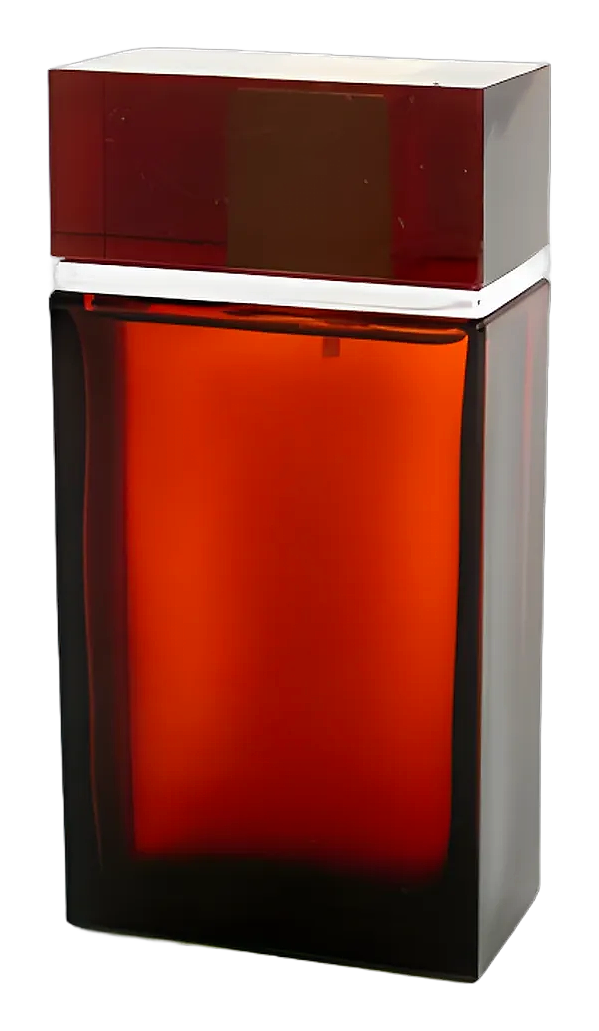
Estee Lauder brought Calice Becker to the brief in 2004. The name was the brief: Beyond Paradise. Not a place to escape to, a place that exists on the other side of the everyday. What would that smell like? The answer wasn't another marine-aquatic splash. Becker's interpretation reached past the expected aquatic accord and pulled in something rarer: buchu and jabuticaba, two ingredients with very little name recognition but an unusual aromatic signature, green, slightly medicinal, faintly tropical. It was a deliberate move away from the bergamot-citrus predictability of the era's masculine releases.
The herbaceous dimension sets this apart from its contemporaries. Most men's aquatics of the mid-2000s opened sharp, lasted short, and smelled forgettable by noon. Buchu, native to South Africa, used historically in perfumery for its blackcurrant-like freshness, brings a tangy, almost fermented green quality that jabuticaba, a Brazilian grape-like fruit, amplifies with its sweet-tart skin note. Together they create an opening that smells less like a product and more like an environment. It reframes what a fresh masculine fragrance can do.
The evolution
The top notes arrive cool and slightly strange, not unpleasant, just unfamiliar. That initial tang from the buchu and jabuticaba hangs for the first ten to fifteen minutes before the heart takes over, and the composition shifts toward lavender and sage anchored by a marine freshness that reads more mineral than soapy. The heart is where this fragrance earns its 'woody aromatic' classification: the herbs don't dominate, they support. Thyme and tarragon add quiet complexity. By the second hour, the base asserts itself, beech wood and vetiver provide a dry, slightly earthy warmth that grounds the whole experience. Oakmoss adds the green-floral backbone, patchouli the faintest trace of earth. On skin, expect four to six hours of moderate sillage. On fabric, a faint trace lingers into the next morning.
Cultural impact
Launched into a saturated market of aquatic masculines, Beyond Paradise For Men stood apart by reaching past the bergamot-citrus template and embracing unusual green-herbaceous territory. The buchu note, uncommon in Western perfumery, gave the fragrance a specific identity that polarized opinion: some wearers found it medicinal and sharp, others found it the most interesting opening in its category. That tension is part of its character. It never achieved the ubiquity of contemporary releases but retains a small, devoted following among those who found it on skin and couldn't quite place it.