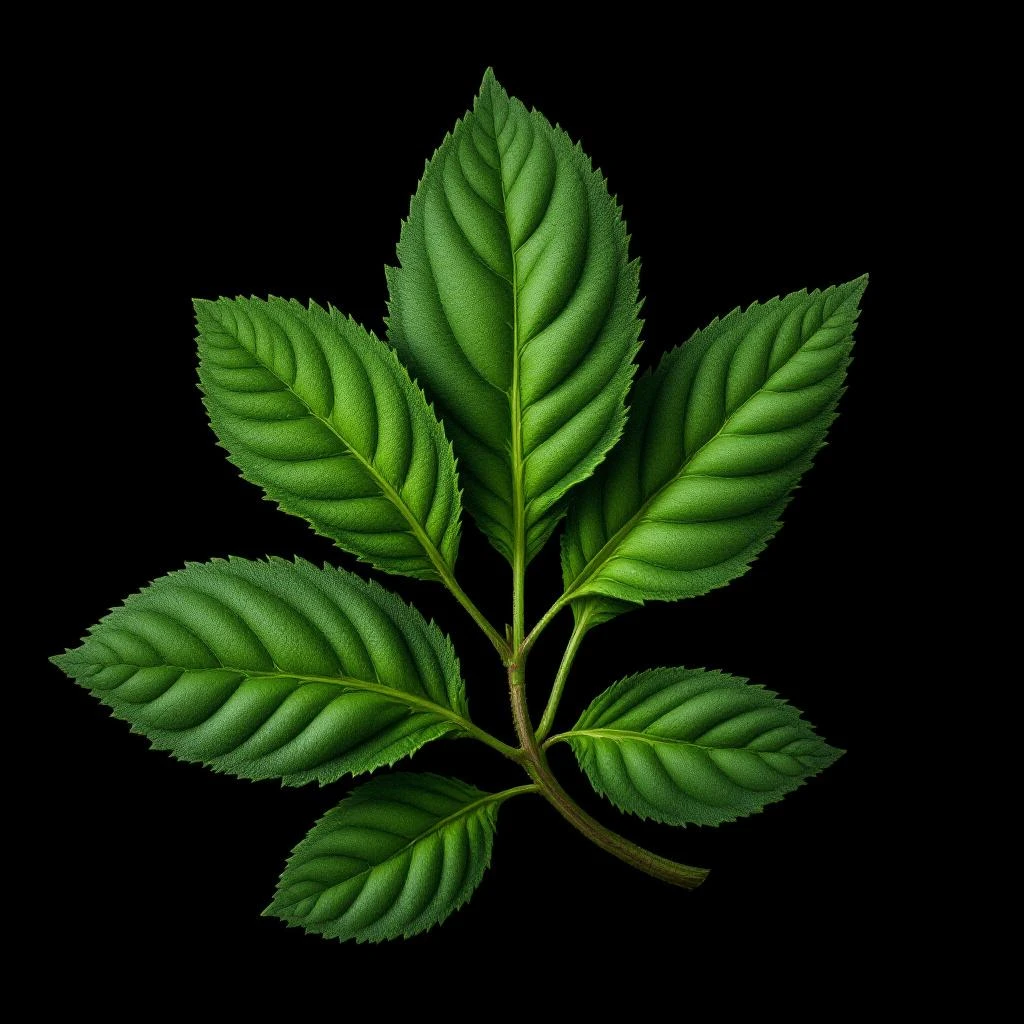
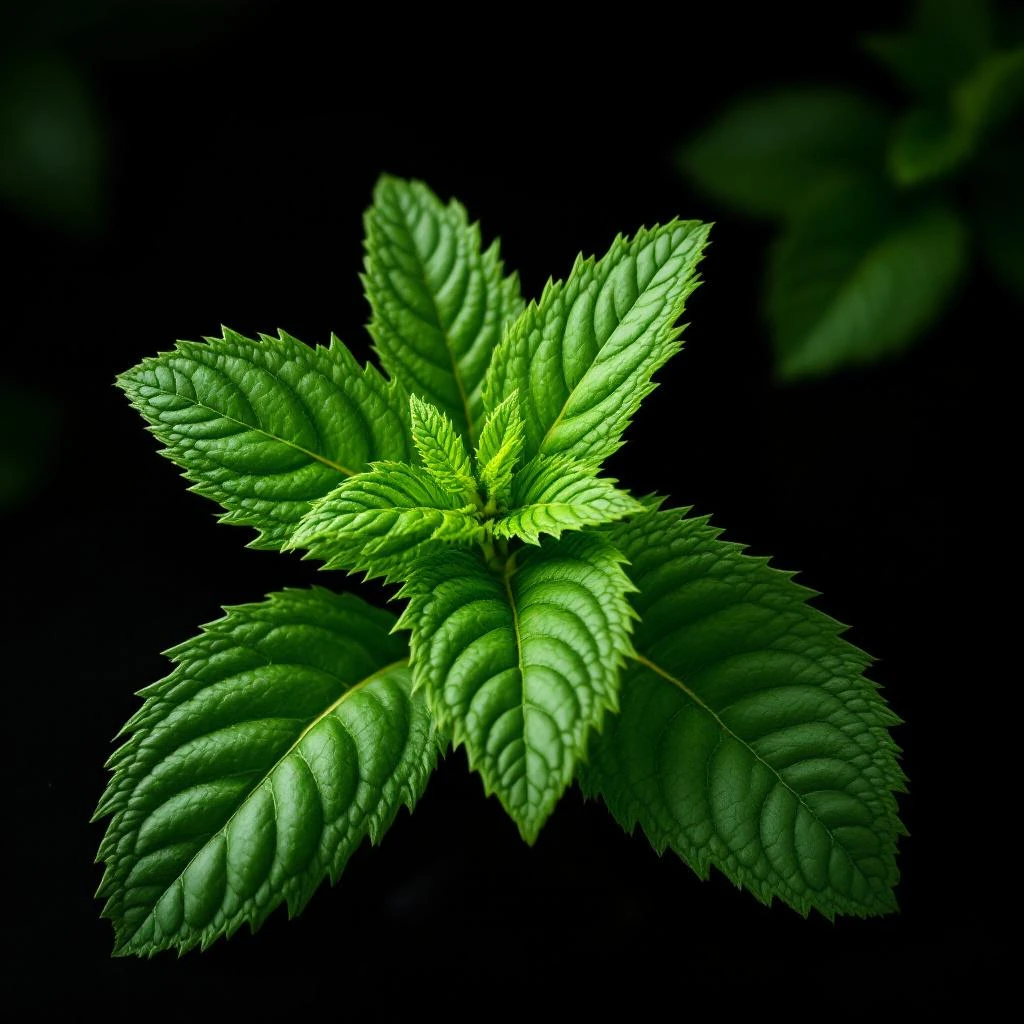
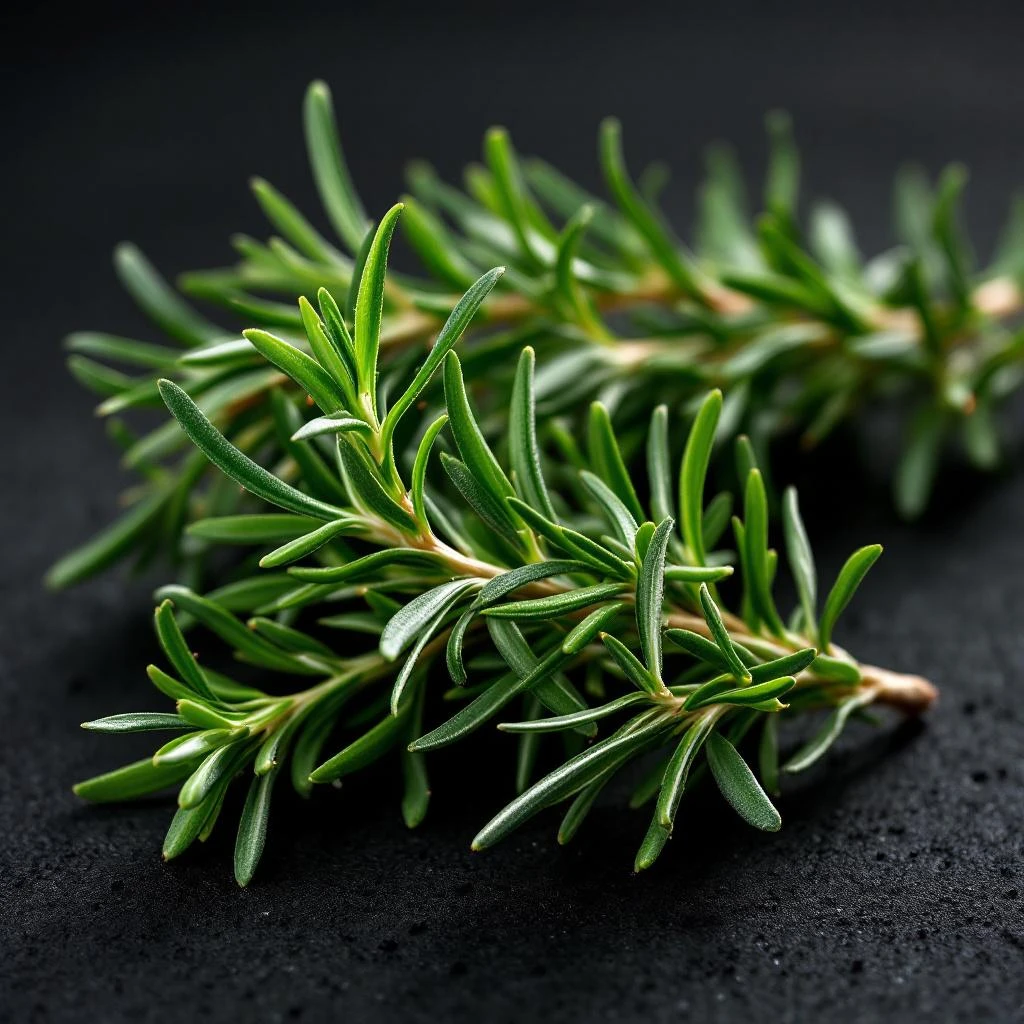
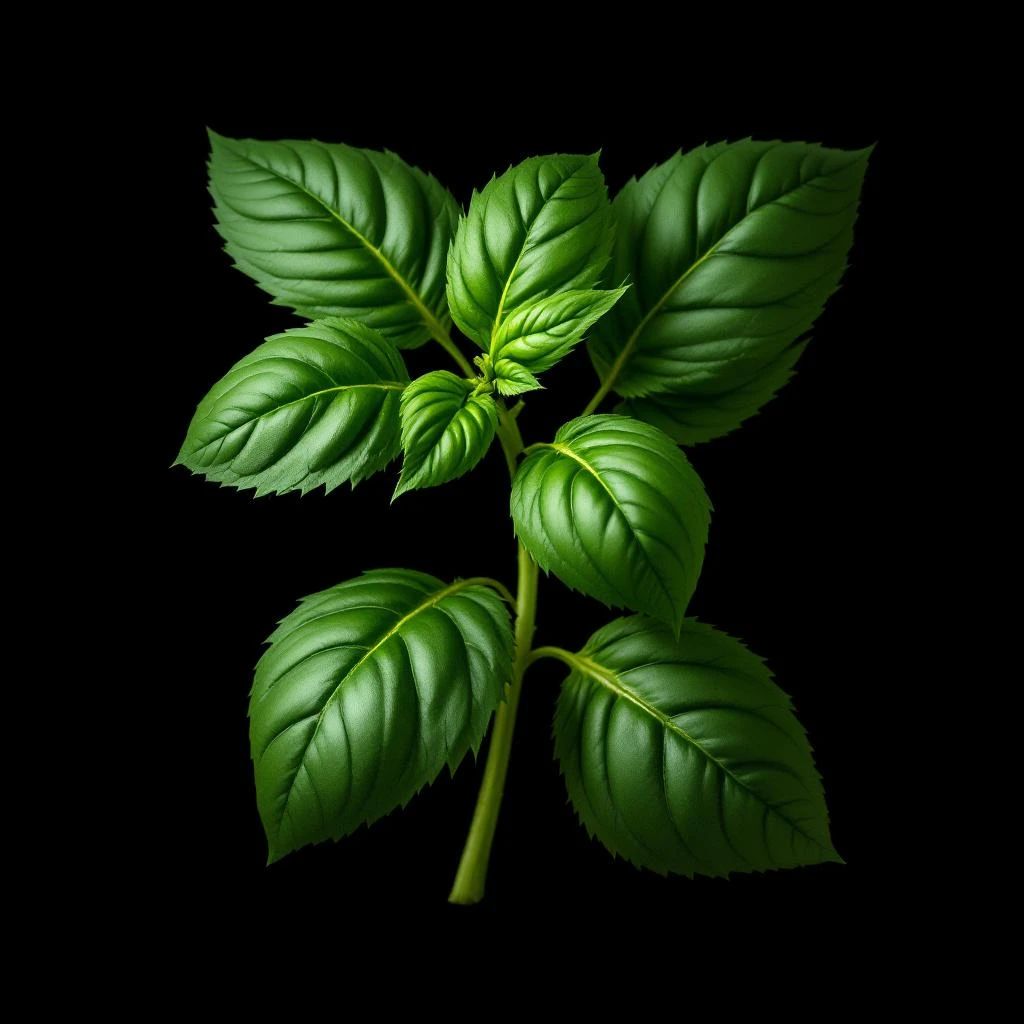
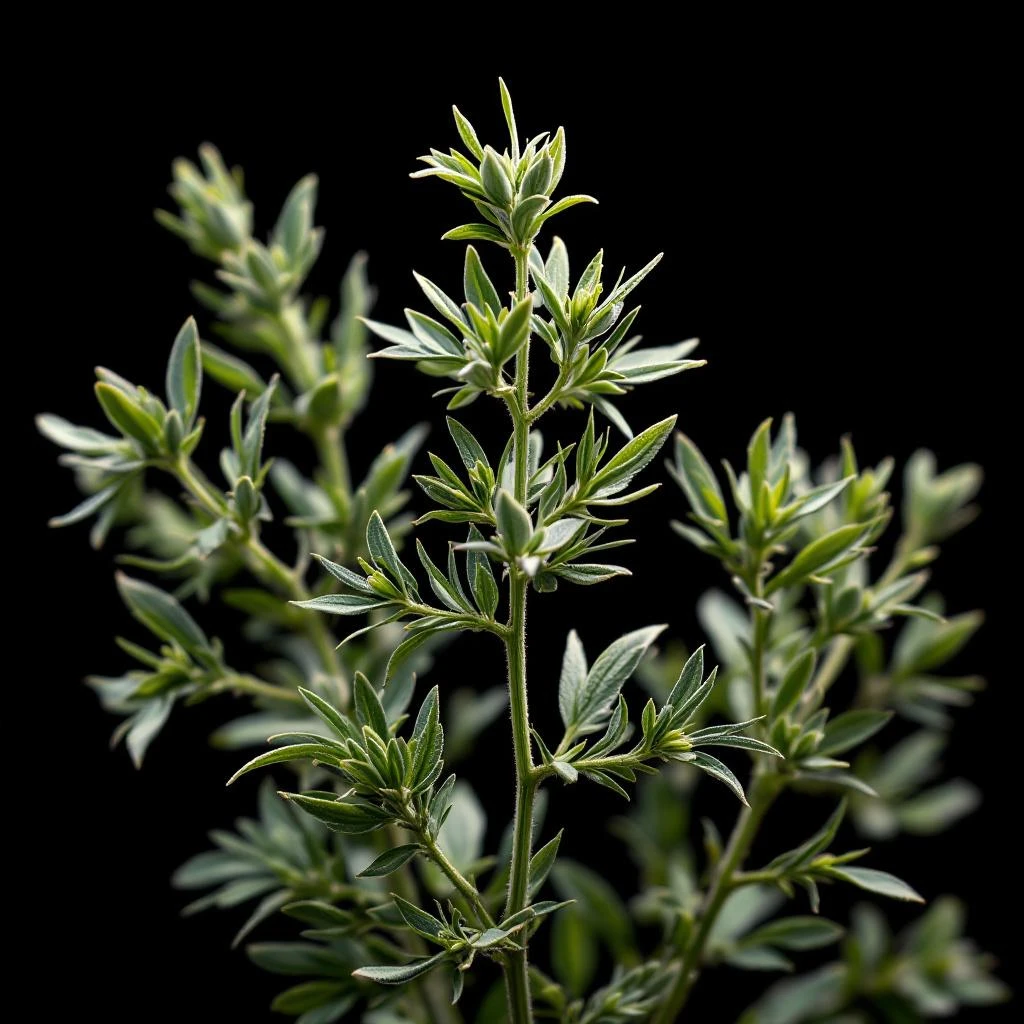
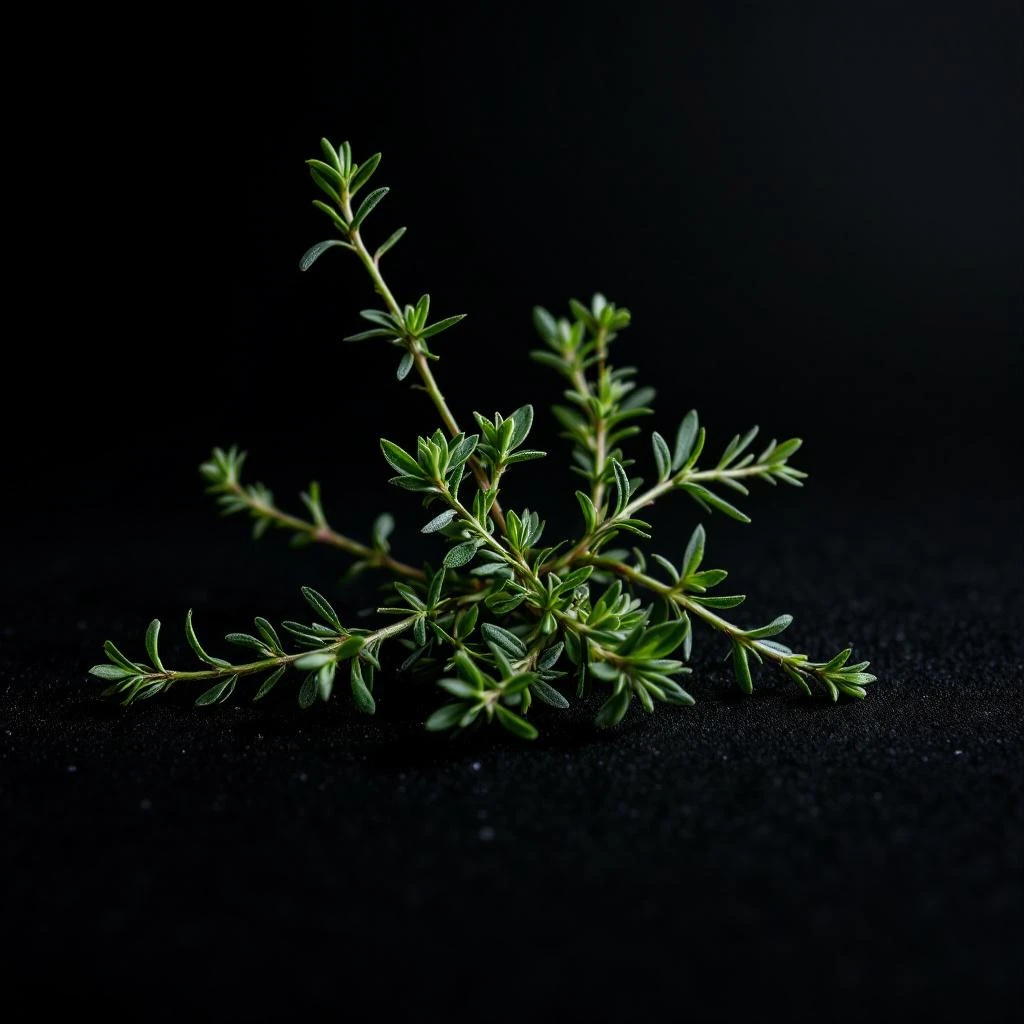
Buchu
Bitter mint, blackcurrant leaf, and a curious cat-pee edge—buchu is South Africa's most polarizing fragrance ingredient, adding audacious green-fruity intensity to modern perfumery.
Character
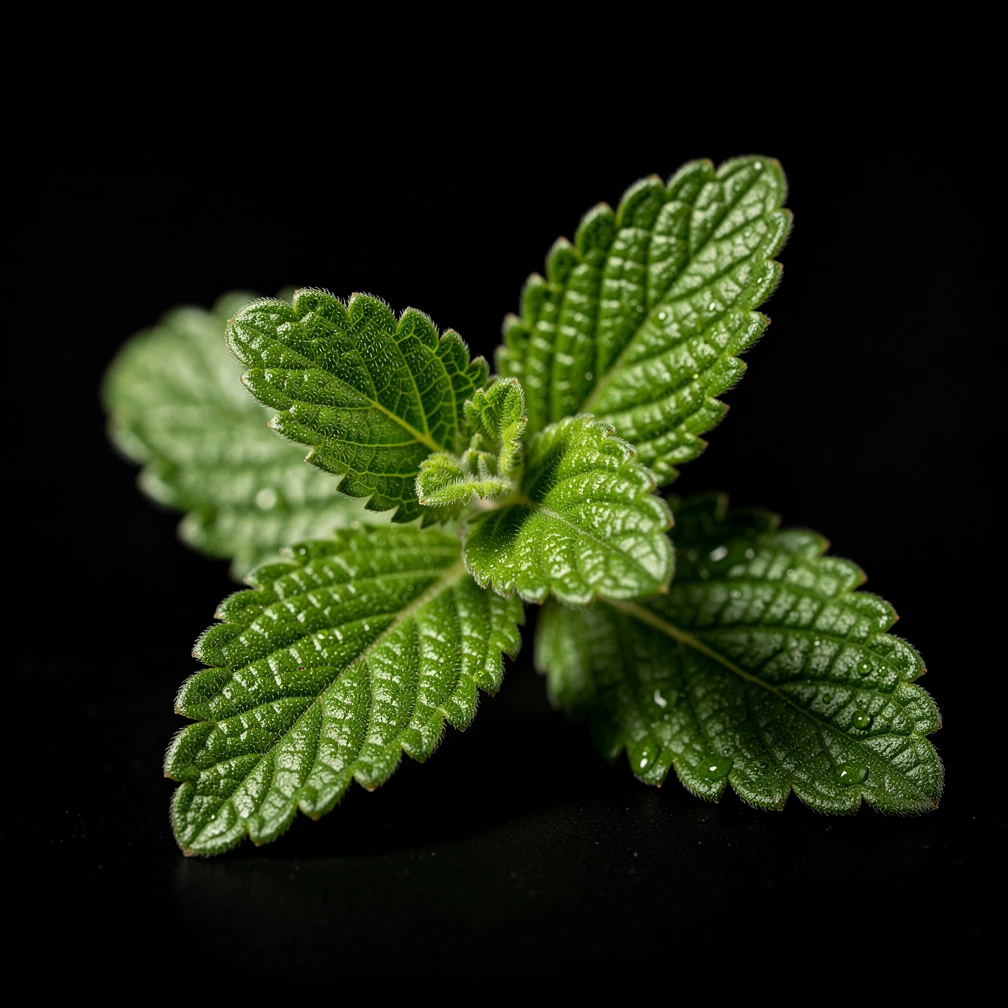
How it smells
South Africa's audacious green-fruity wonder.
Buchu leaves were among the cargo aboard the Titanic's fatal 1912 voyage, bound for European apothecaries and perfume houses.









Origin
South Africa
The Khoekhoe people of South Africa discovered buchu's fragrant potential centuries ago. Indigenous women used the leaves to scent their bodies, valuing the invigorating minty-fruity aroma for daily refreshment and ritual purposes.
By the late 1600s, European traders encountered buchu through Cape Colony contacts. The herb reached apothecaries and pharmacopeias in Western Europe, where physicians prescribed it for digestive complaints, urinary discomfort, and respiratory ailments. Its reputation as a remedy spread alongside its use in perfumery.
In the late 19th century, dried buchu leaves began appearing in commercial exports—baled and shipped across the Atlantic to European and American markets. Historical cargo records show buchu was among the goods aboard the Titanic during its ill-fated 1912 voyage.
Contemporary perfumery recognizes buchu primarily for its challenging, animalic character. The ingredient carries an unmistakable blackcurrant quality often described as cat-pee—strangely, women who appreciate buchu rarely perceive this aspect, detecting only its fresh, balsamic greenness. This discrepancy has inspired folk wisdom suggesting hormonal sensitivity influences perception.
Buchu inspired the creation of Buchu Mercaptan, also called Thiomenthone, one of perfumery's most sulfureous aroma chemicals. This synthetic replicates the blackcurrant note and sees application in modern fragrance development, extending buchu's influence beyond the natural material itself.
Growing exclusively in the Western Cape's unique fynbos biome, buchu remains rare due to propagation difficulty, seedling mortality, and the specific mineral-rich soils it requires. Niche perfumers seek it for masculine fragrances aiming to combine traditional freshness with novel green-fruity character.
Wears it best
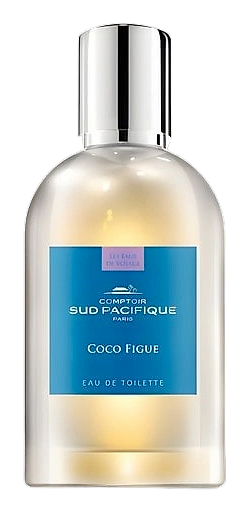
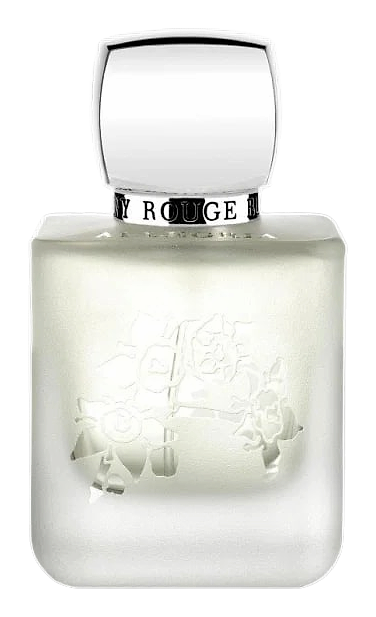
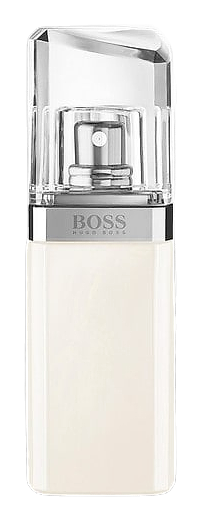
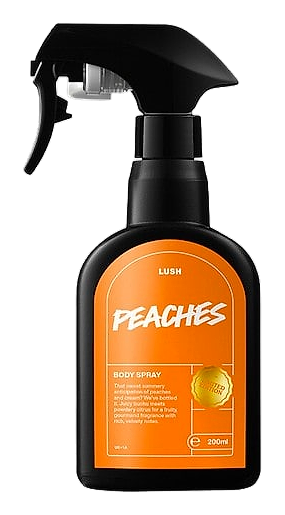
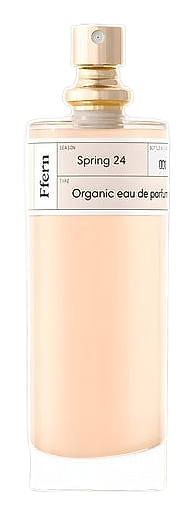
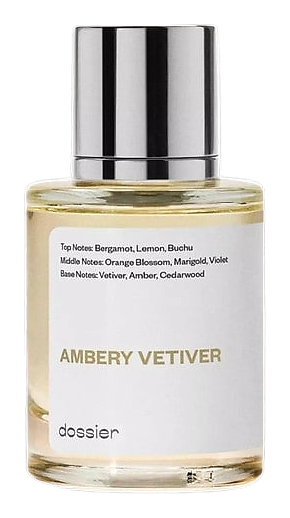
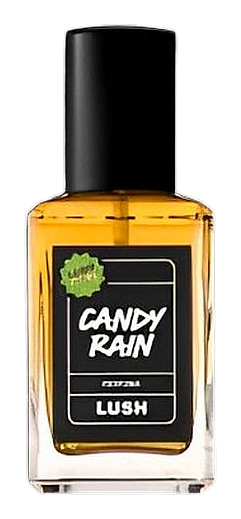
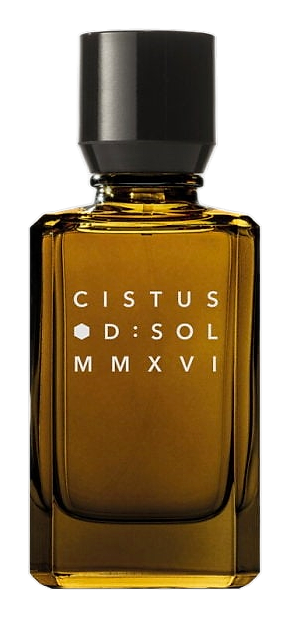
Fragrances featuring Buchu

Brands
Brands known for Buchu
Good to know
Questions, answered
The essentials on Buchu in perfumery: how it smells, where it comes from, and how it behaves on skin.
What does buchu smell like?
Buchu presents a complex aroma combining blackcurrant leaf, bitter mint, and green herbaceousness. Its notorious cat-pee quality creates an animalic edge that divides opinion. Professional perfumers value it as a bold modifier for fruity-green compositions.
Where does buchu grow?
Buchu occurs naturally only in South Africa's Western Cape Province, specifically the fynbos biome of the Cape Massif. The region's rocky plains, mineral-rich soils, and Mediterranean climate create the precise conditions this shrub requires to produce its aromatic oils.
When was buchu first used?
The Khoekhoe people used buchu for centuries before European contact. By the late 1600s, buchu reached Western European apothecaries as a medicinal remedy. Commercial fragrance use developed in the late 19th century following exports to Europe and America.
How is buchu oil extracted?
Steam distillation of wild-harvested leaves produces buchu essential oil. Harvesters collect foliage by hand between November and April, avoiding the flowering period. Oil recovery rates range from 0.3 to 0.8 percent, making pure buchu oil relatively scarce.
Why is buchu so rare in perfumery?
Buchu occurs only in a narrow geographic band of South Africa's Western Cape. It demands specific soil chemistry and climate conditions that resist cultivation on a large scale. High seedling mortality and propagation challenges further limit supply, keeping buchu in the realm of specialty ingredients.
Is buchu safe for aromatherapy?
No. Buchu essential oil contains pulegone, a compound contraindicated in pregnancy and toxic at elevated doses. The material is reserved for professional perfumery use under controlled conditions. Home aromatherapy applications of buchu are not recommended.
What fragrances use buchu?
Buchu appears primarily in masculine and niche fragrances seeking unconventional green-fruity notes. It functions as a modifier for blackcurrant and citrus accords rather than a standalone note. Specific formulations remain proprietary, but industry sources confirm its use in premium masculine lines.
What is Buchu Mercaptan?
Buchu Mercaptan, also called Thiomenthone, is a synthetic aroma chemical developed to capture buchu's characteristic blackcurrant quality. Among perfumery's most sulfureous materials, it allows perfumers to evoke buchu's distinctive character without using the natural oil.