The Story
Why it exists.
The beginning
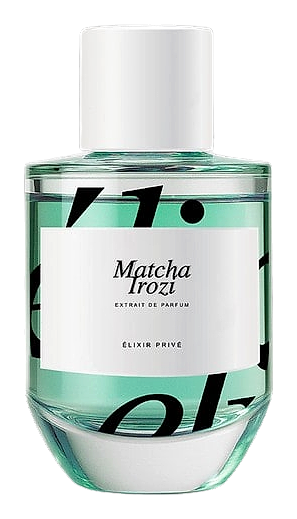
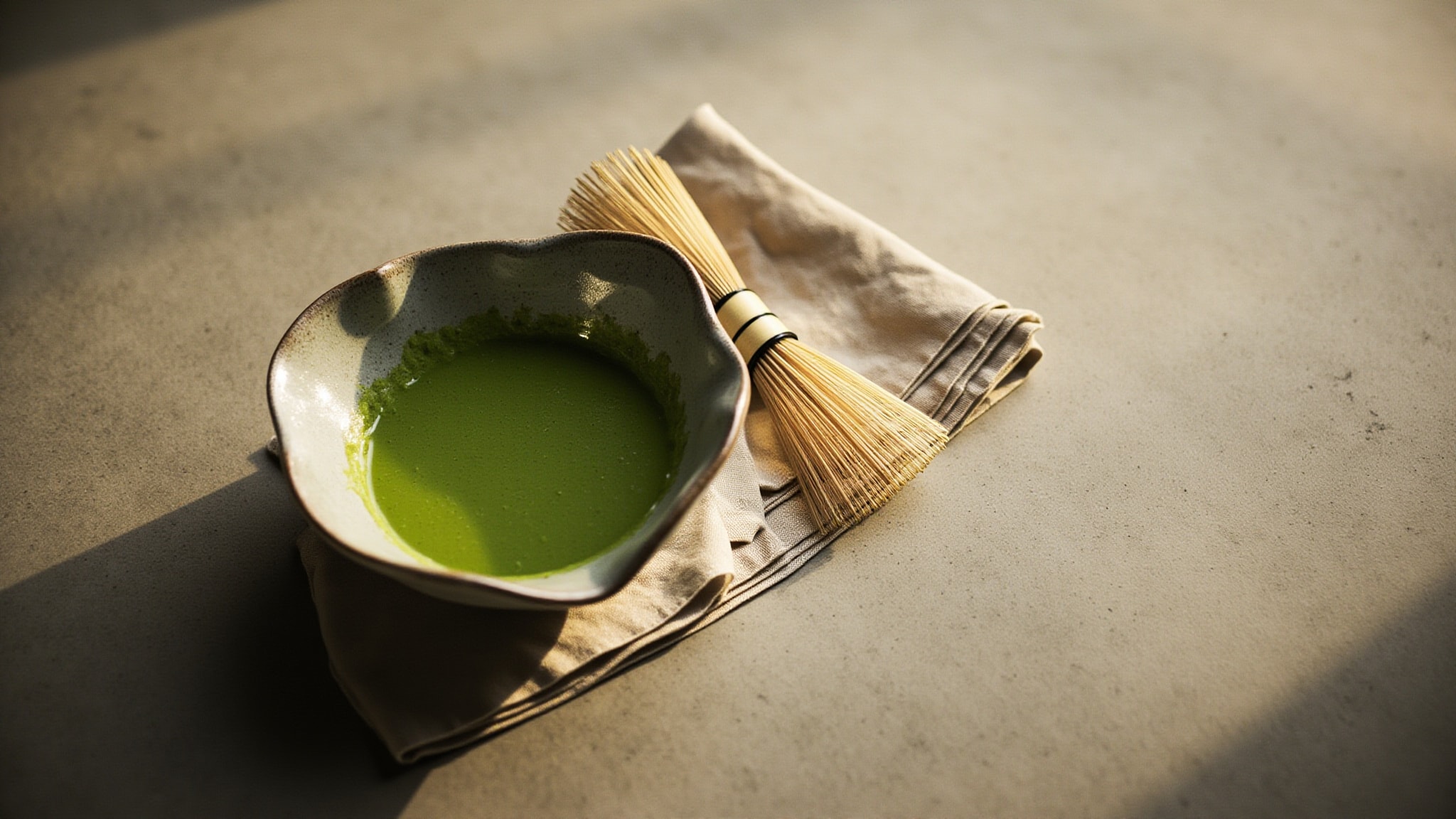
Pierre Flores built Matcha Irozi around a specific image: the quiet focus of a Japanese tea ceremony. Not the tourist version. The real one, a small room, a ceramic bowl, the first sip of ceremonial-grade matcha. Cool, green, almost bitter. Then warmth returns. The brief was to translate that moment through a French sensibility. Not to reproduce Japan, but to feel it. The 2025 launch arrived at Élixir Privé's catalog as a counterweight to heavier compositions, something clean enough to reset the nose, structured enough to hold attention.
What makes Matcha Irozi structurally unusual is its core material. Green tea as a true heart note, rather than a footnote, is still uncommon in Western perfumery. Most tea fragrances treat it as atmosphere, a light, watery green in the background. Here, Chinese eucalyptus amplifies the matcha into something more present, more camphorated, while geranium and rose provide the soft counterpoint that keeps it from reading medicinal. The result challenges the usual fragrance frameworks. Neither purely citrus, nor purely floral, nor purely woody, it's a hybrid that earns its powdery drydown by earning every degree of warmth along the way.
The evolution
The opening arrives bright. Cardamom's warmth meets bergamot's citrus in a collision that's sharp and slightly tart. South African buchu pulls something unexpected, a camphorated green that almost smells like mint, but drier. Thirty minutes in, the eucalyptus takes over. Cool, mentholated, clean. The Matcha was here all along, waiting behind the citrus. Now it announces itself, bitter, green, almost leafy. The geranium and rose don't fight it. They soften around the edges. White flowers add powder. By hour three, the drydown settles. Sandalwood and white amber create something creamy, intimate. Musk wraps it all in skin warmth. The sillage drops to close, personal, nearly imperceptible unless someone leans in. It becomes a secret you keep sharing.
Cultural impact
Matcha Irozi bridges Japanese tea ceremony traditions with Western luxury perfumery. The use of South African buchu, an aromatic herb from the Cape Floristic Region, reflects a growing niche perfumery movement to source unexpected botanicals from unconventional regions. This fragrance exemplifies how contemporary houses go beyond traditional perfume ingredients to incorporate native botanicals from biodiversity hotspots, creating scents that tell stories of place and cross-cultural exchange.