The Story
Why it exists.
The beginning
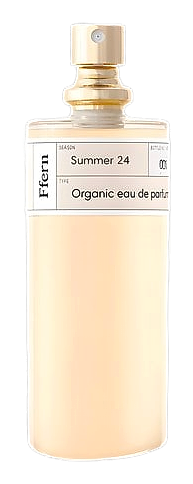
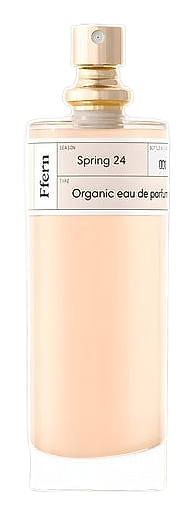
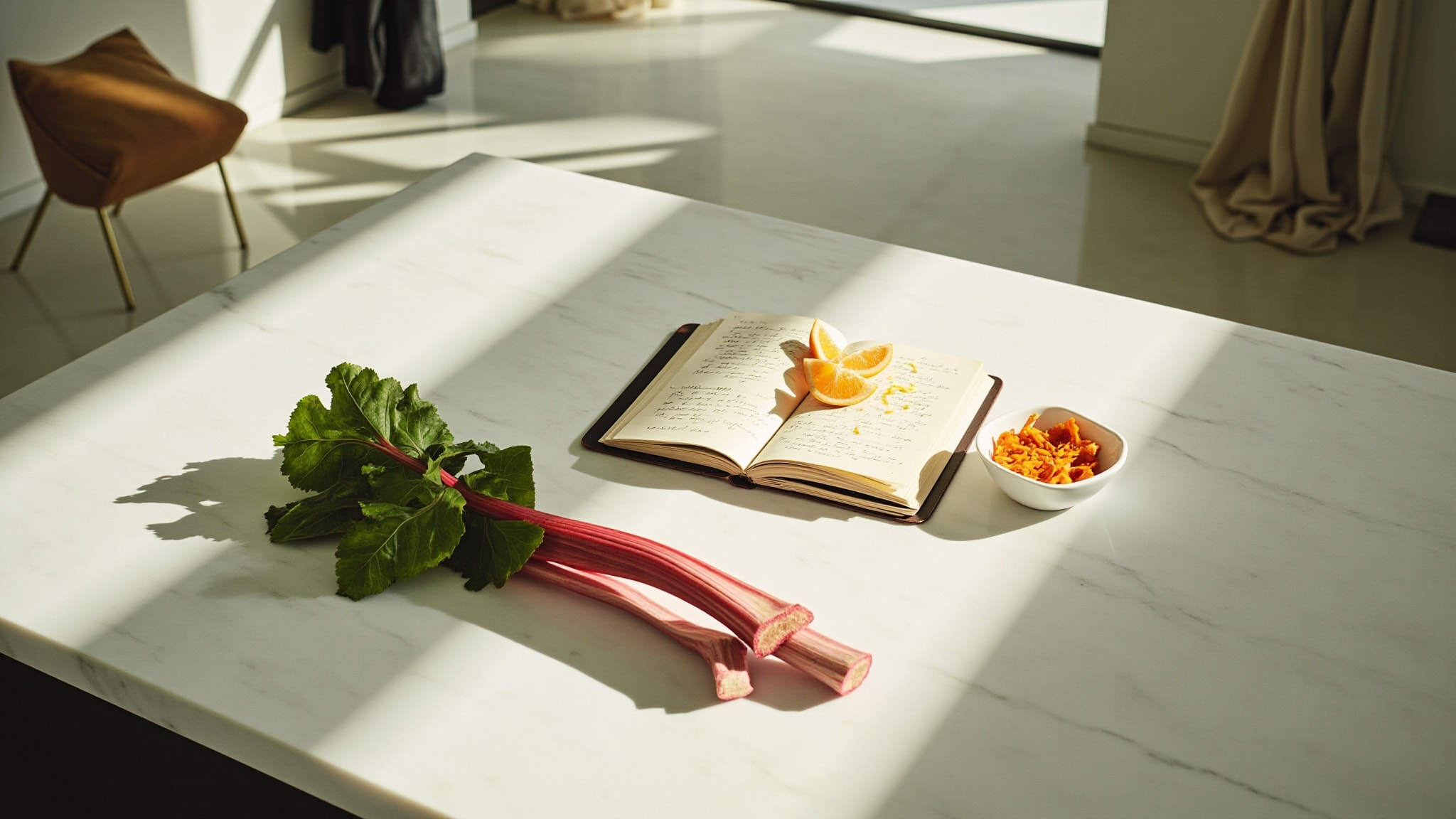
The brief was simple on paper: capture the scent of forced rhubarb. Not just the idea of it, the actual sharp, sour-sweet character of pink stalks grown in darkness, harvested before spring. But rhubarb yields no fragrant oil. It cannot be extracted, distilled, or infused into a bottle. It had to be rebuilt from scratch, note by note, from materials that exist in nature. The tartness, that sour zing that defines forced rhubarb, required citruses with bite rather than sweetness. Bitter orange and green mandarin from Brazil brought the sharp edge. Grapefruit added herbaceous acidity that touched the acute sourness the brief demanded. On top of that, Sichuan pepper provided a bright, sparkling heat, while buchu contributed a clean, fruity green note that completed the illusion.
What makes Spring 24 technically interesting is the absence at its core. Rhubarb is the fragrance's entire conceptual engine, yet it appears in no note pyramid, no ingredient list. The accord was constructed from a range of materials, primarily citrus, to approximate an aroma that cannot be extracted. This is perfumery as illusion: the nose believing what the chemist knows to be false. The second structural interest is the tension between the opening and the base.
The evolution
The opening announces itself immediately. Brazilian bitter orange and green mandarin create a tart, almost acidic burst, grapefruit's herbaceous edge amplifying the effect. On some skin, this reads as almost aggressive for the first five minutes. Then the Sichuan pepper arrives, not to soften the citrus but to add a clean, sparkling heat that makes the opening feel more complex than it first seemed. The heart takes over around the twenty-minute mark. Tunisian neroli appears first, a white floral brightness that cuts through the citrus without replacing it. French basil follows, adding an aromatic greenness that feels almost savory. Calabrian bergamot bridges the two phases, its florality preventing a hard transition. The heart lasts roughly two hours, and it is the most wearable, broadly appealing phase of the fragrance. The drydown arrives without ceremony. Around the third hour, the florals recede and the base materials take over.
Cultural impact
Spring 24 is one of four fragrances released annually, each tied to a specific moment in the agricultural year. The approach creates natural structure around each scent. For someone who thinks about their fragrance choices as part of seasonal living, this kind of defined release schedule becomes part of the appeal. The seasonal character itself is what makes the limitation meaningful.