Colombian Tolu Balm
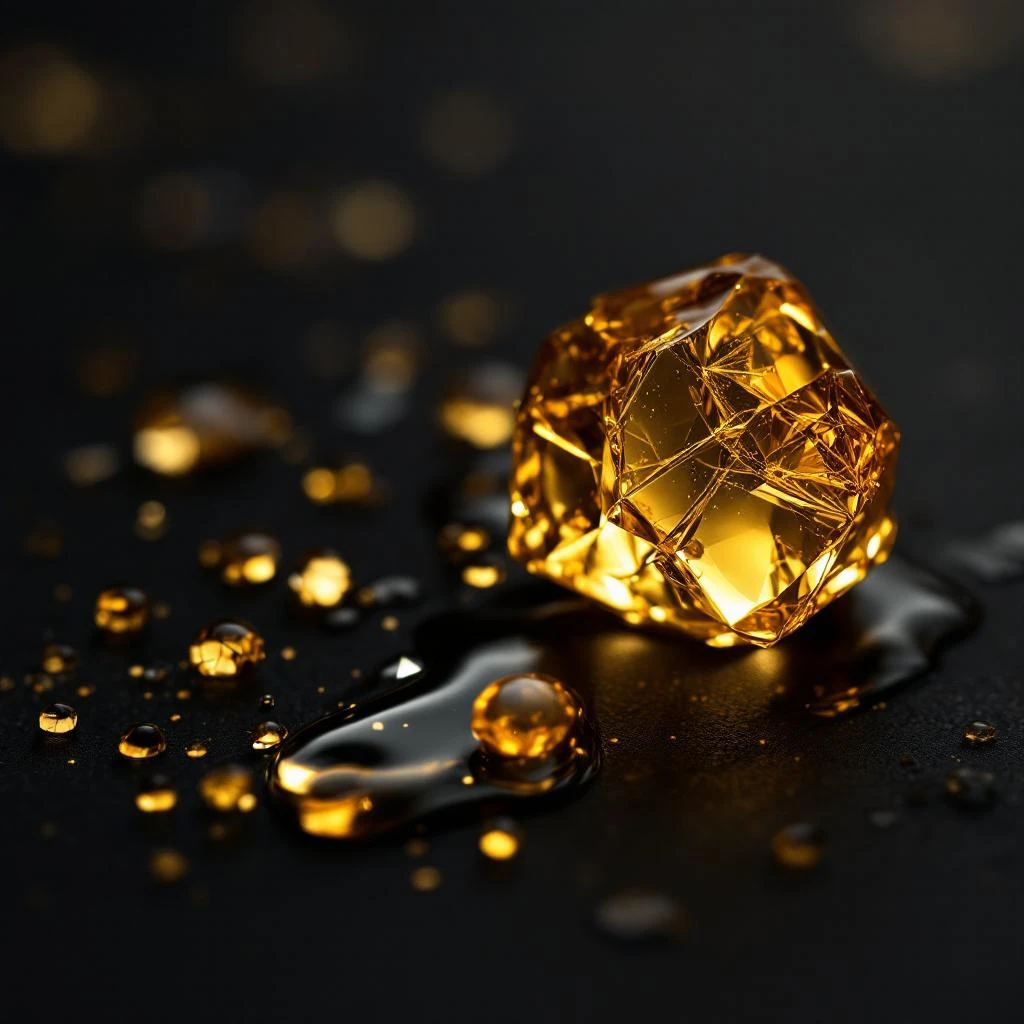
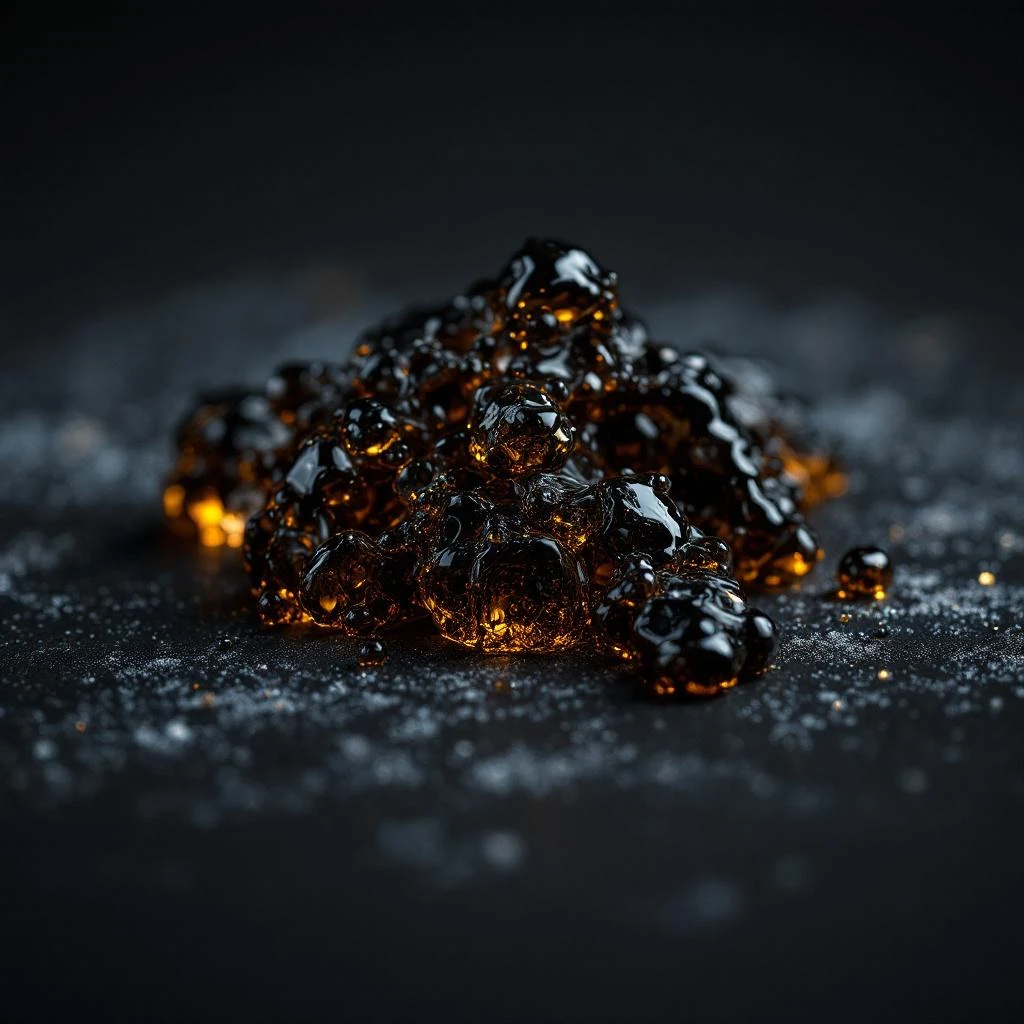
A warm, resinous treasure from Colombia, Tolu balm flows from the Myroxylon balsamum tree as a viscous golden resin. Its rich scent weaves vanilla warmth with spicy cinnamon, offering perfumers a centuries-old anchoring note prized for depth and sensuality.
Character
How it smells
Colombian warmth captured in golden resin
Tolu balsam shares a botanical family with the famed Peru balsam, yet each produces a distinctly different resin with its own aromatic signature.



Origin
Colombia
Tolu balsam takes its name from Tolu, a historic port town on Colombia's Caribbean coast, where European traders first encountered and exported this prized resin during the 16th century. Pre-Columbian communities in northern South America had used the substance for centuries before colonial contact, incorporating it into medicinal remedies, ceremonial practices, and aromatic preparations. The resin traveled along Spanish trade routes to Europe, where apothecaries valued it for its therapeutic properties as much as its scent.
It found particular resonance in Mexican perfumery, where it blended seamlessly with regional materials like copal and cedar. Over centuries, Tolu balm became a bridge between indigenous traditions and global fragrance culture, its warm, enveloping character anchoring compositions across perfumery traditions.
Wears it best
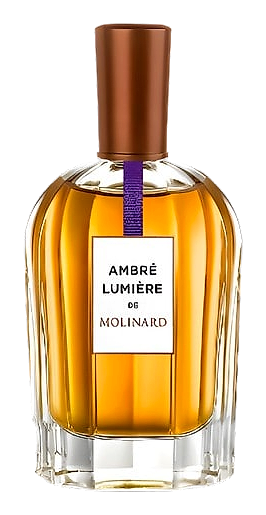
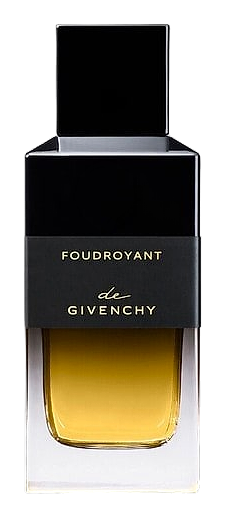
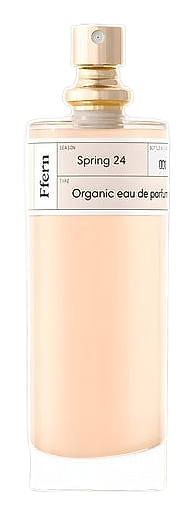
Fragrances featuring Colombian Tolu Balm
Good to know
Questions, answered
The essentials on Colombian Tolu Balm in perfumery: how it smells, where it comes from, and how it behaves on skin.
What does Colombian Tolu balm smell like?
Tolu balm offers a warm, balsamic fragrance with vanilla and cinnamon undertones. It feels soft, resinous, and slightly sweet, functioning as a natural fixative that adds depth and longevity to fragrance compositions.
How is Tolu balm harvested?
Harvesters make controlled incisions in the bark of the Myroxylon balsamum tree. The tree responds by secreting resin as a natural defense. Workers return to collect the hardened balm from the wound sites.
Is Tolu balm the same as Peru balsam?
No. Though closely related botanically, Tolu balm and Peru balsam come from different tree varieties and produce distinct aromatic profiles. Tolu leans warmer and sweeter; Peru balsam carries a sharper, more medicinal character.
What gives Tolu balm its vanilla-like scent?
Vanillin compounds present in the resin create its characteristic sweet, vanilla-like warmth. These natural constituents develop during the resin's curing process and intensify as the balm ages.
Where does Tolu balm originate?
The material originates from Myroxylon balsamum trees growing primarily in Colombia, Peru, and Venezuela. The Colombian town of Tolu on the Caribbean coast gave the resin its global name.
What role does Tolu balm play in perfumery?
Perfumers use Tolu balm as a fixative and base note. Its resinous depth anchors lighter top notes, adds creamy warmth to oriental compositions, and provides excellent staying power to the dry-down phase.
Has Tolu balm been used traditionally beyond perfumery?
Yes. Pre-Columbian communities in Colombian rainforests used it for respiratory and skin remedies. European apothecaries adopted it for similar medicinal purposes after 16th-century trade brought it overseas.
Does Tolu balm appear in natural or synthetic fragrances?
Natural Tolu balm appears in botanical and niche fragrances seeking authentic resinous warmth. A tincture or absolute form may also be used. Some mass-market fragrances employ synthetic analogs to recreate its characteristic profile.