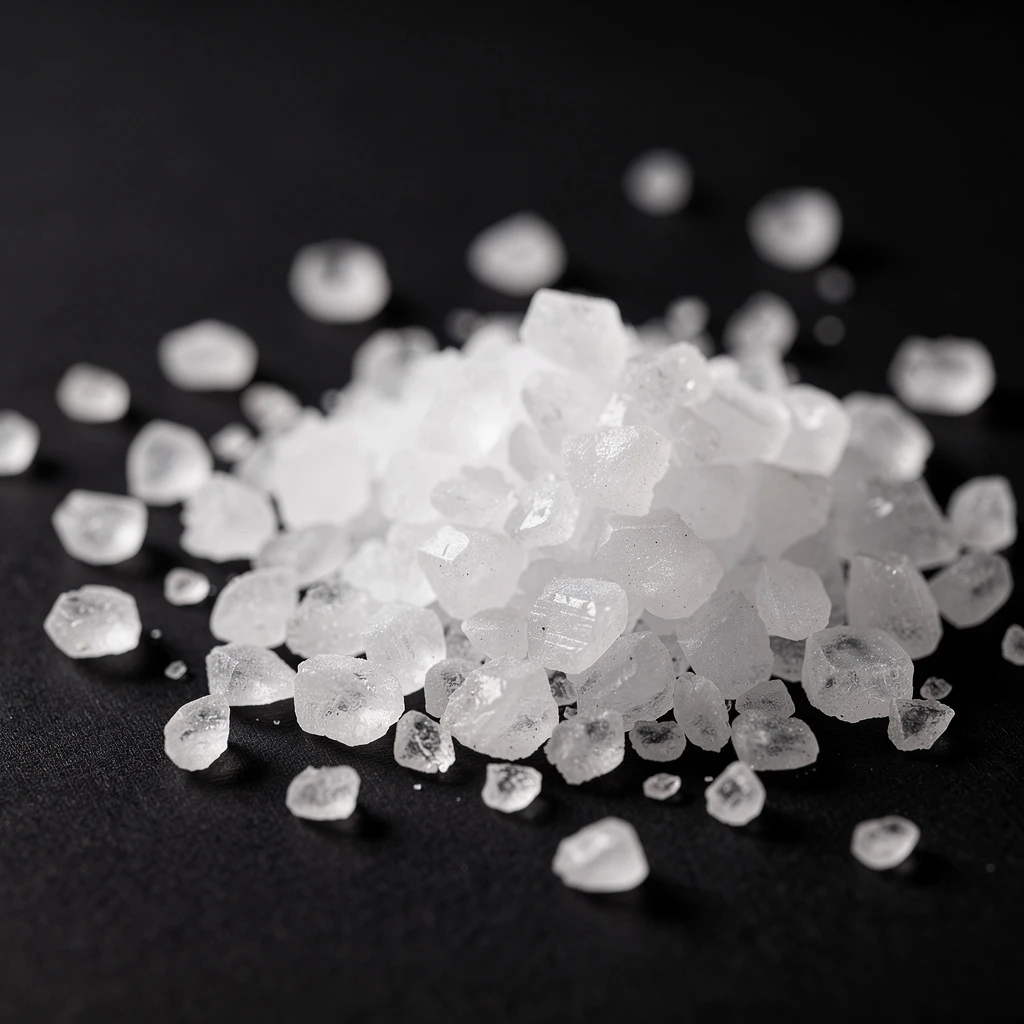
Paraguayan petigrain
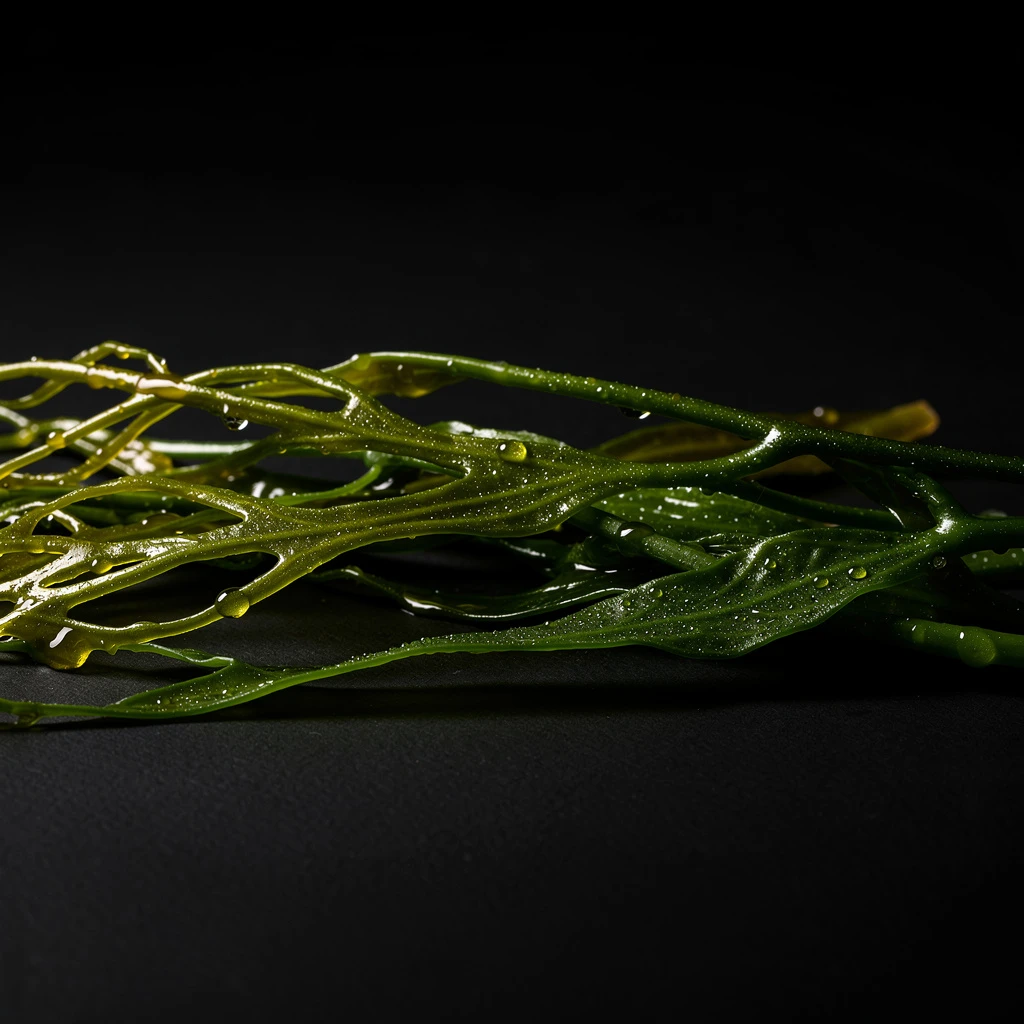
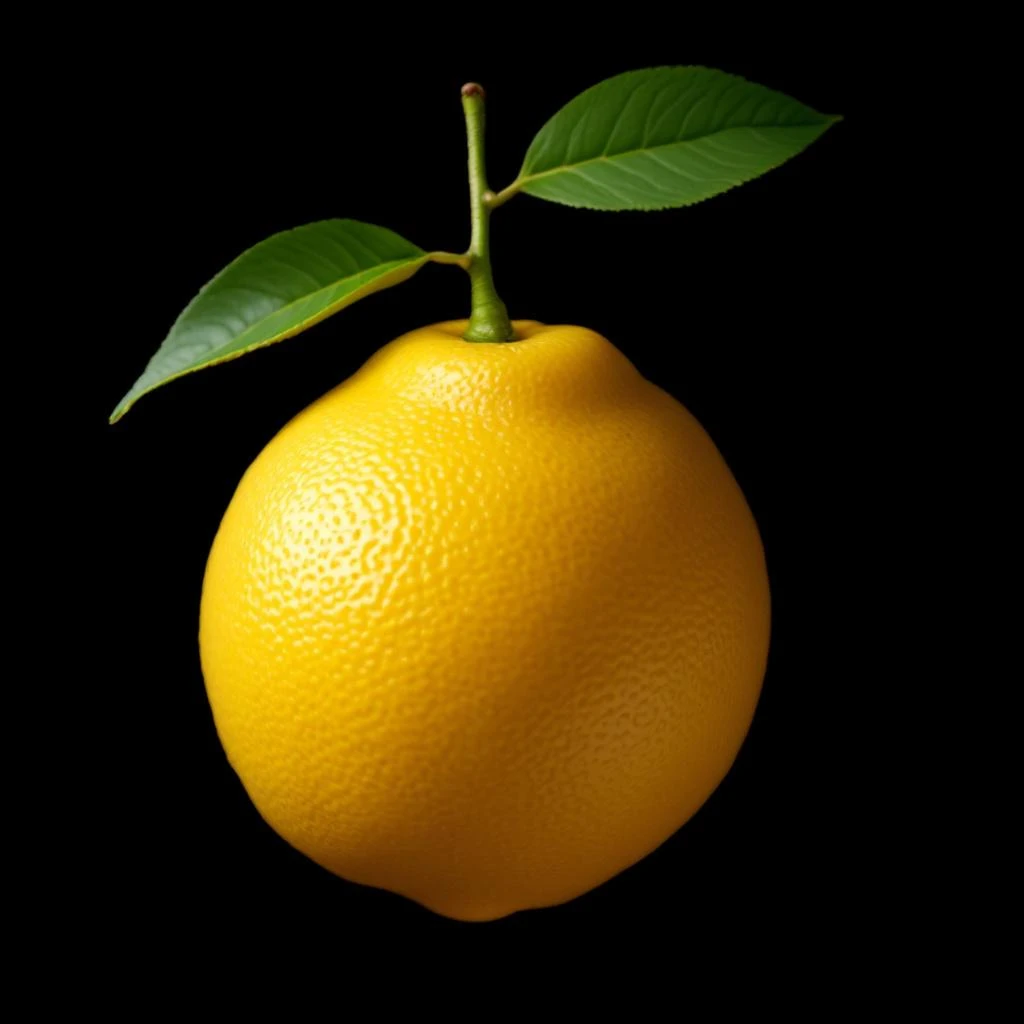
Paraguayan petitgrain is a bright, green citrus oil extracted from the bitter orange tree’s leaves, twigs and unripe fruit, delivering a crisp floral‑bitter nuance prized by perfumers worldwide.
Character
How it smells
Green citrus clarity from Paraguay’s orange groves.
Paraguayan petitgrain supplies roughly 30% of the global petitgrain market, yet most of its production is carried out by small family farms that distill the oil directly on their land.







Origin
Paraguay
The story of Paraguayan petitgrain starts in 1876, when French botanist Benjamin Balansa introduced a steam still to the country’s orange groves. Balansa recognized the untapped potential of the bitter orange’s foliage, a resource overlooked in Europe at the time.
By the early 1900s, Paraguayan growers had refined the distillation process, establishing the region as a reliable source of high‑quality petitgrain. Throughout the 20th century, the oil supported local economies, with cooperatives forming in the Chaco and Central departments.
In the 1990s, international partners such as Berjé and ALPACASA modernized equipment while preserving traditional methods, reinforcing Paraguay’s reputation as a premier petitgrain producer. Today, the oil remains a staple in classic and contemporary fragrances, linking modern perfumery to a legacy that spans more than a century of agricultural innovation.
Wears it best
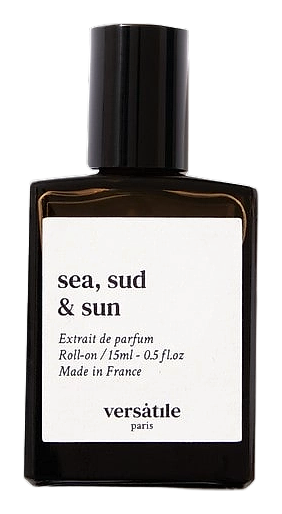
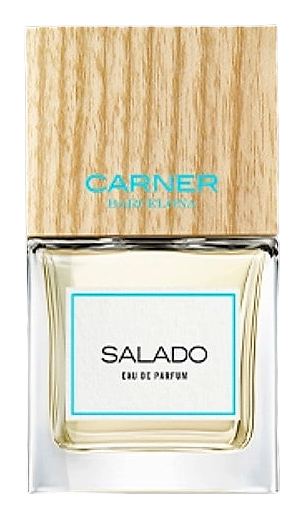
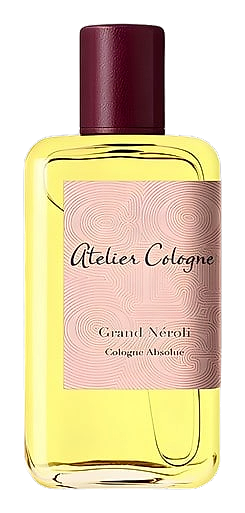
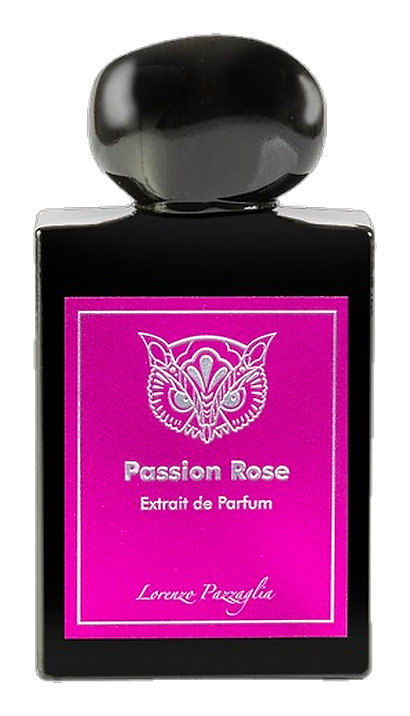
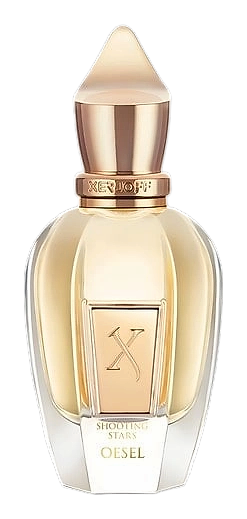
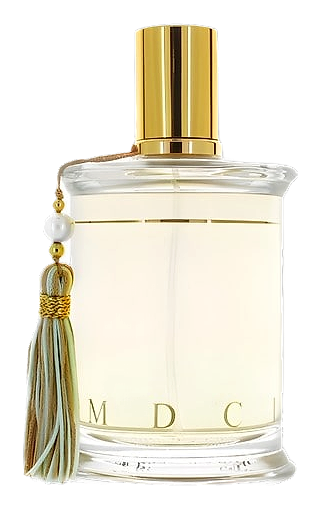
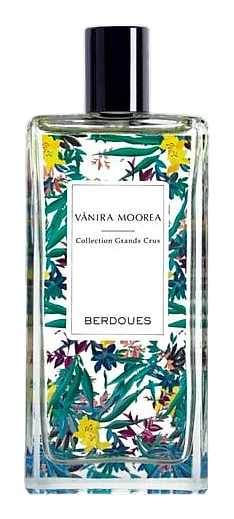
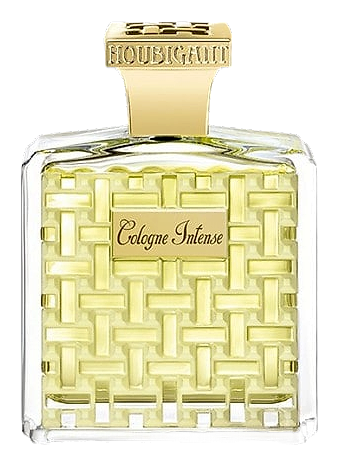
Fragrances featuring Paraguayan petigrain
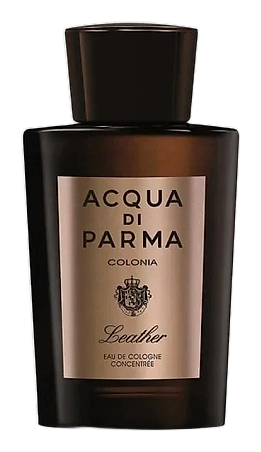
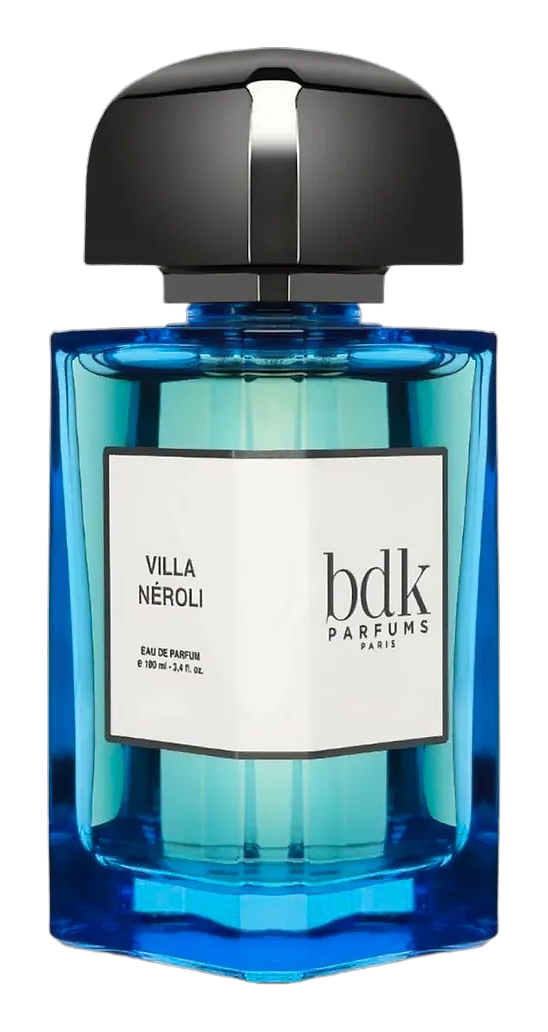
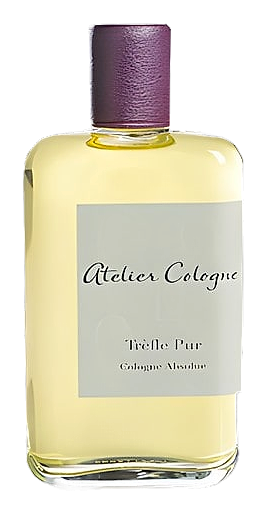
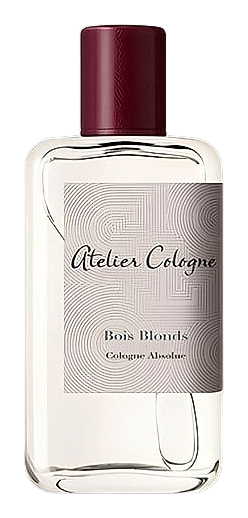
Brands
Brands known for Paraguayan petigrain
Good to know
Questions, answered
The essentials on Paraguayan petigrain in perfumery: how it smells, where it comes from, and how it behaves on skin.
What aroma does Paraguayan petitgrain add to a perfume?
It adds a fresh, green citrus scent with floral and bitter nuances. A 2022 Givaudan analysis shows the oil contains about 30% linalool, which drives its bright character.
Is Paraguayan petitgrain safe for skin contact?
Yes, it meets IFRA safety standards for topical use up to 15% in a fragrance blend. The IFRA 2021 guidelines list a maximum of 10% for leave‑on products, confirming its safe concentration range.
How much petitgrain can be used in a fragrance concentrate?
Up to 15% of the total formula is typical for a strong green note. The Perfumers Apprentice notes a 15% ceiling for petitgrain in perfume concentrates without compromising stability.
What sustainability practices are common in Paraguayan petitgrain production?
Most farms practice on‑site distillation, reducing transport emissions. In 2020, a Berjé report documented that 85% of participating growers used solar‑powered stills, lowering the carbon footprint of the oil.
How long does the scent of petitgrain last on the skin?
Its top‑note brilliance fades within 30‑45 minutes, while the green‑floral heart can linger up to two hours. A 2019 sensory panel measured an average lasting time of 1.8 hours for the heart note.
Can petitgrain be blended with other citrus oils?
Yes, it blends well with bergamot, neroli, and orange blossom. A 2021 formulation study showed a 20% increase in perceived freshness when petitgrain was paired with 10% bergamot.
Is petitgrain a common allergen?
It is listed as a low‑risk ingredient by the European Cosmetic Ingredient Database. In a 2018 patch‑test survey, only 0.3% of participants reported a reaction to petitgrain.
How should petitgrain oil be stored to preserve its quality?
Store it in a cool, dark place at 15‑20 °C, preferably in amber glass. The Good Scents Company notes that exposure to light accelerates oxidation after 12 months, reducing its fresh character.