The Story
Why it exists.
The beginning
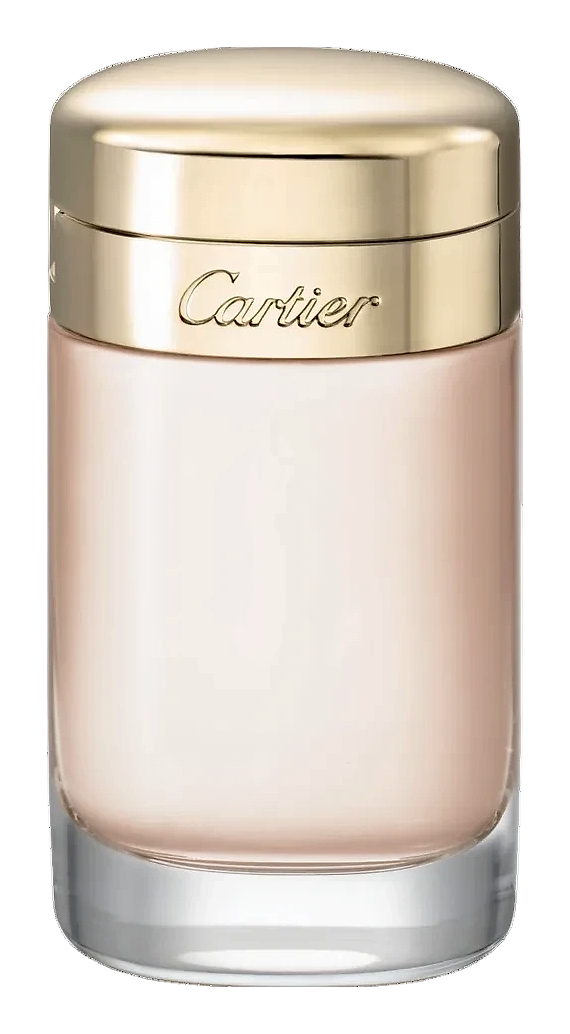
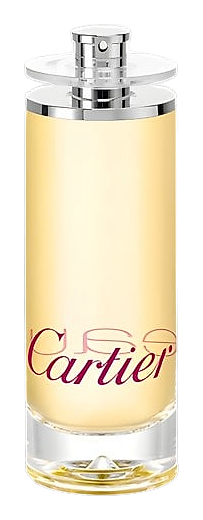
Zeste de Soleil arrived in 2013 as a flanker to Cartier's original Eau de Cartier, itself a study in restrained citrus. The flanker pushed further into tropical territory while keeping one foot planted in something cooler, more astringent. Where the original kept its distance, this one moves closer. The name means zest of sunshine, and that reading is literal: this is the smell of sunlight concentrated into liquid form, the sharp bright part of a citrus peel multiplied by tropical heat.
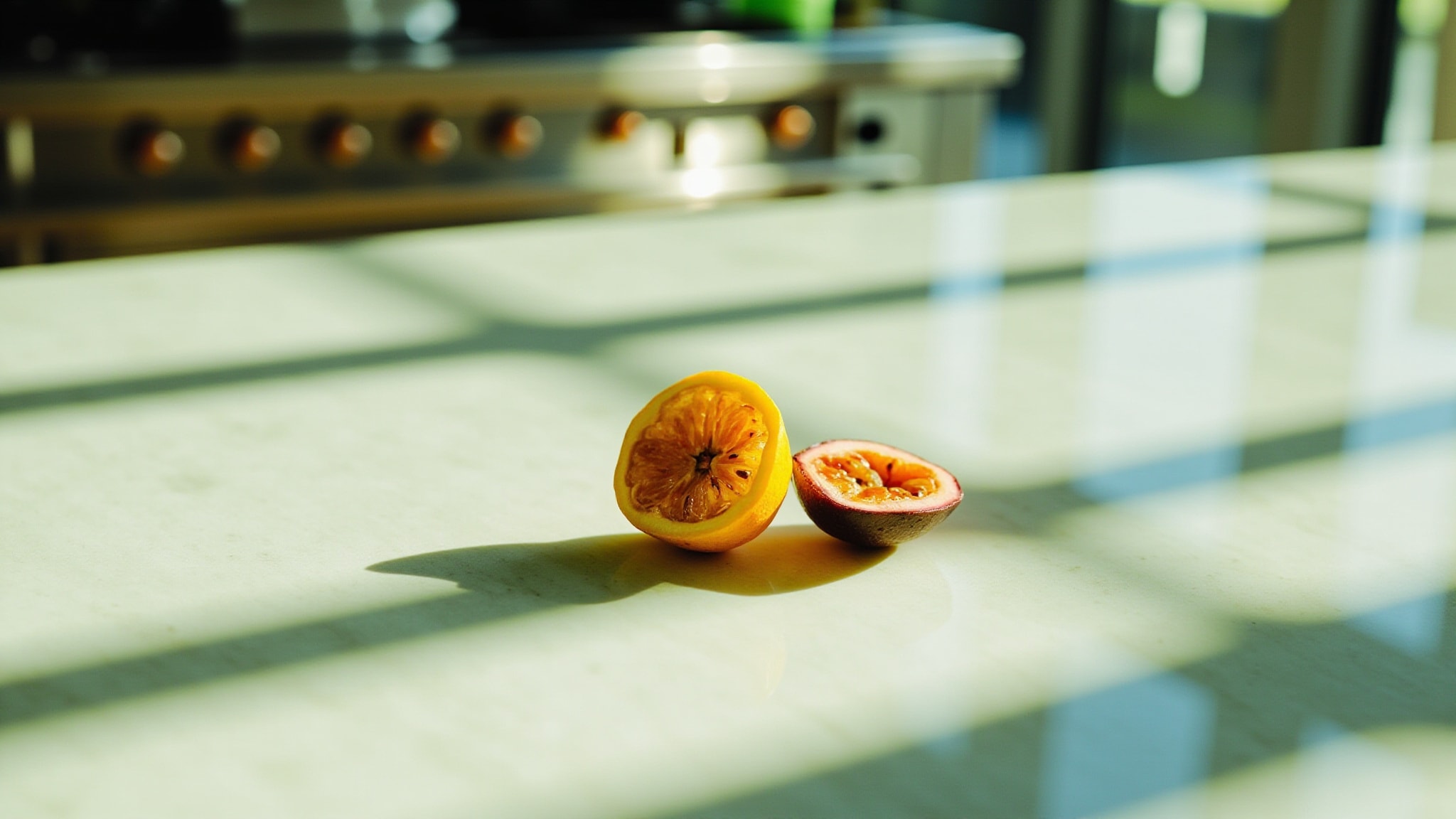
What makes this composition unusual is the structural choice to keep yuzu present throughout rather than using it only as an opener. Most citrus flankers abandon their opening note within the first twenty minutes, letting the heart take over. Zeste de Soleil refuses that convention. The yuzu works as a counterweight to the passion fruit's sweetness, preventing the fragrance from collapsing into something simple and generic. The mint does quiet work in the heart, cool and green, ensuring the tropical notes never become overwhelming. It's a composition built on tension rather than harmony, and that tension is what makes it worth wearing.
The evolution
The opening is all yuzu, sharp and slightly bitter, the way citrus peel feels against your tongue. Within minutes the passion fruit arrives, thick and sweet, almost jarring against the yuzu's brightness. These two don't blend so much as take turns. The mint becomes apparent around the ten-minute mark, softening the transition between the opening and heart. By the second hour the tropical notes have settled into something warmer, less immediate, while the yuzu maintains a presence at the edges. The drydown, if it reaches one on your skin, reads as soft citrus with a ghost of sweetness underneath. On fabric the passion fruit lingers longest. On skin the yuzu wins out, eventually fading into something clean and slightly warm.
Cultural impact
Part of a 2013 fragrance landscape that saw many houses repositioning their citrus offerings for a younger audience. Cartier's approach kept the Maison's characteristic restraint rather than chasing the casual consumer market. The fragrance occupies a particular niche: those who want tropical freshness without the synthetic sweetness that plagued the category during that era.