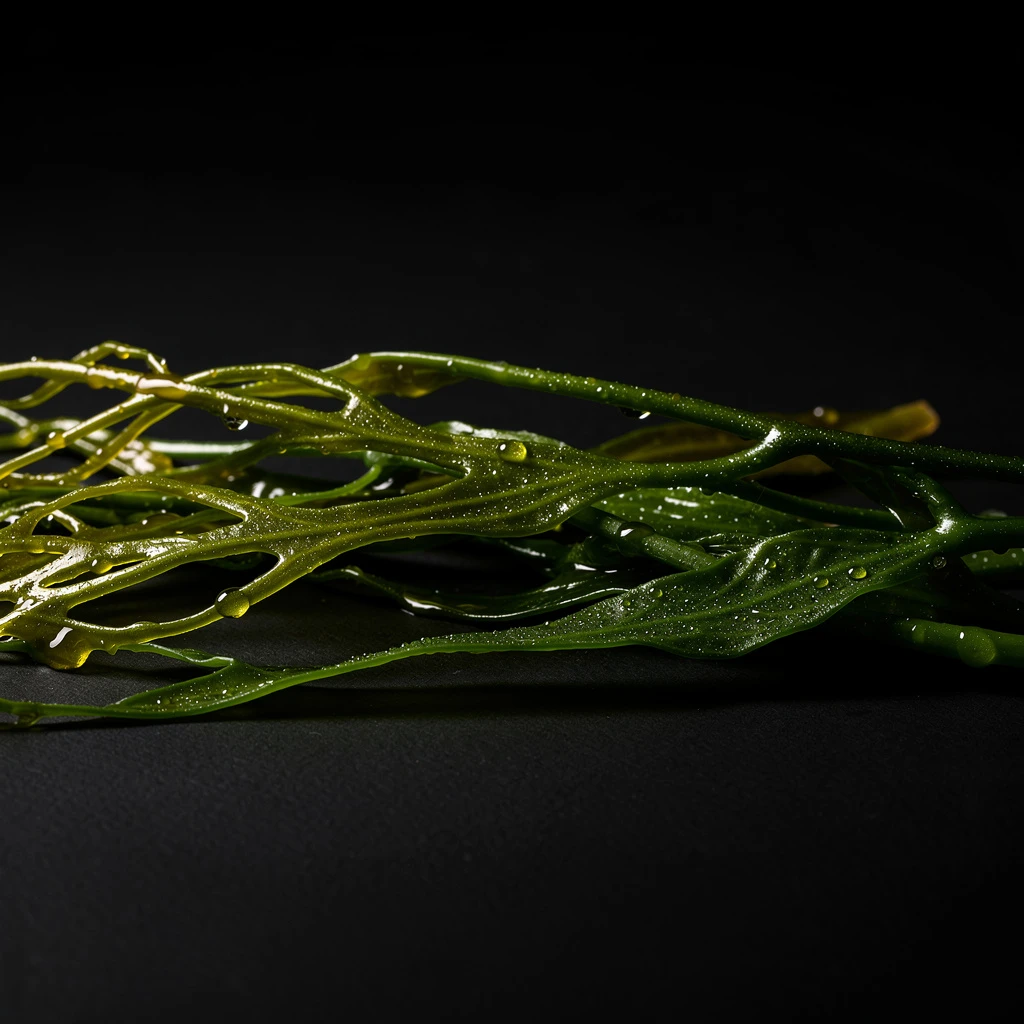
Mist Note
Mist notes capture the ethereal freshness of ocean air and morning dew. These synthetic aroma molecules evoke dewy landscapes and sea-swept shores, bringing an aquatic dimension that natural ingredients cannot replicate.
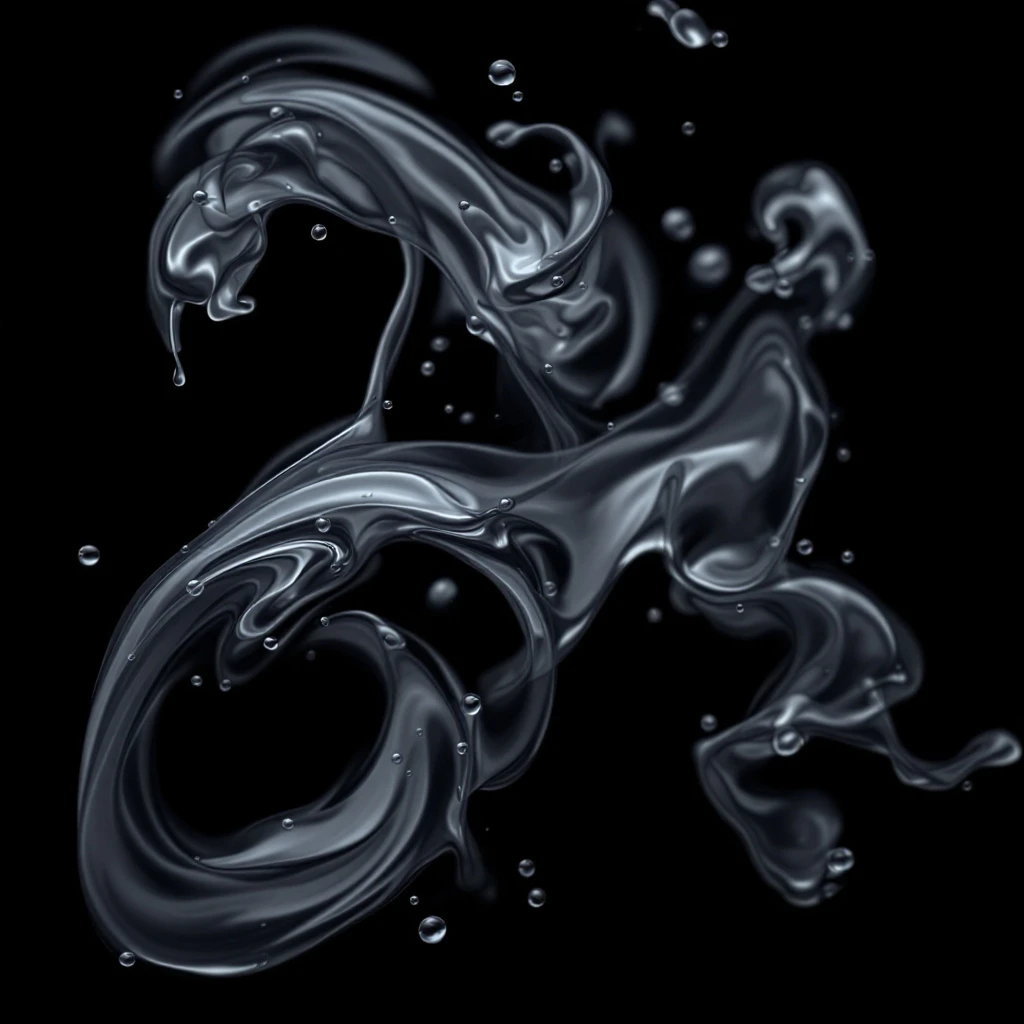
Character
How it smells
Liquid fresh air captured in a bottle.
The key marine molecule Calone was first synthesized in 1966 but languished unused for over two decades before perfumers discovered its extraordinary aquatic potential.









Origin
United States
The history of marine notes begins not in ancient times but in a Pfizer laboratory in 1966. Chemists synthesized Calone while searching for therapeutic compounds, filing it away as an interesting molecule with no obvious application. For over twenty years, this revolutionary compound remained dormant.
Perfumers in the late 1980s began experimenting with synthetic molecules as creative palettes expanded beyond naturals. The 1988 launch of Aqua Marco by Borrello marked the first major commercial success of true marine fragrances. Suddenly, perfumers could evoke the sensation of standing at a windswept shore, something naturals like sea salt or marine algae extracts had never achieved.
The 1990s saw an explosion of aquatic fragrances, from经典的 Cool Water to countless imitators, fundamentally reshaping how consumers thought about freshness in fragrance.
Wears it best
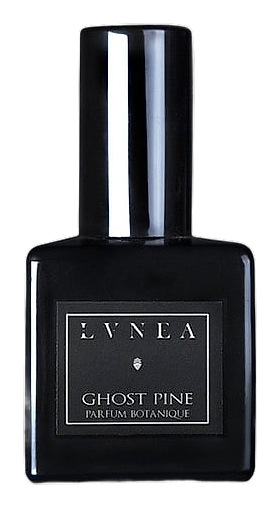
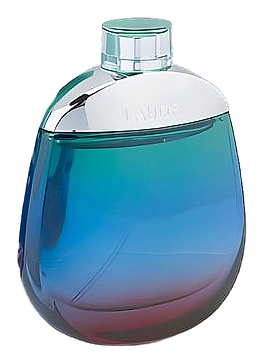
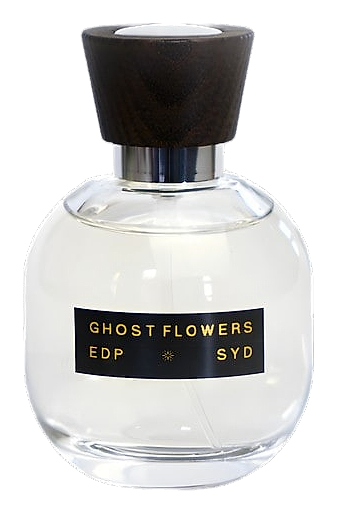
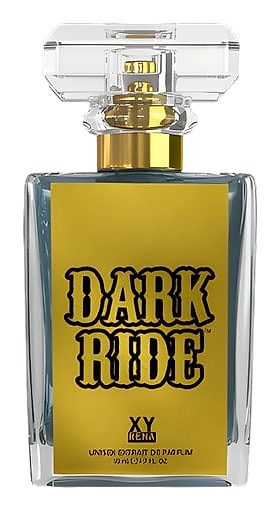
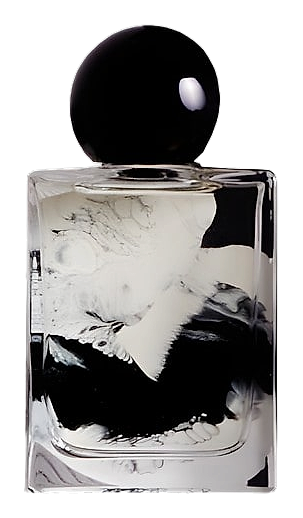
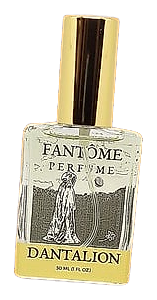
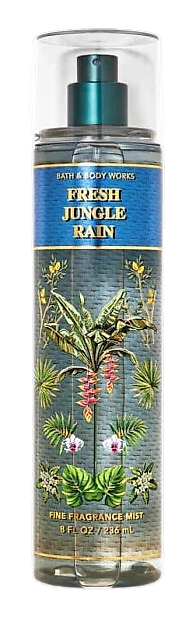
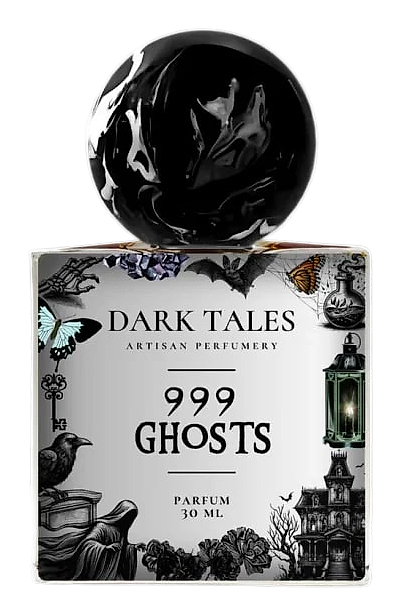
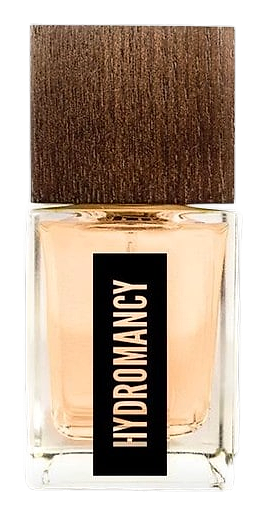
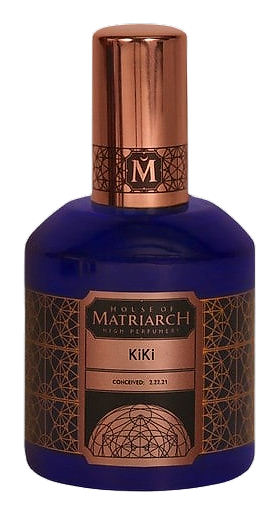
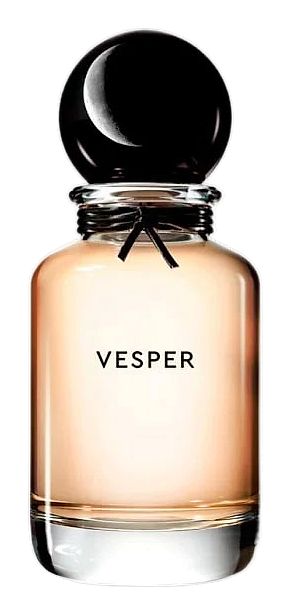
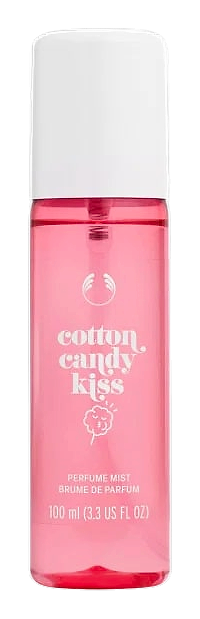
Fragrances featuring Mist Note
Brands
Brands known for Mist Note
Good to know
Questions, answered
The essentials on Mist Note in perfumery: how it smells, where it comes from, and how it behaves on skin.
What exactly is Mist Note in perfumery?
Mist Note refers to synthetic aroma chemicals that create fresh, aquatic, ozonic scent impressions. These laboratory-created molecules replicate the sensation of ocean air, morning dew, or sea spray that natural ingredients cannot authentically reproduce.
Are Mist Notes natural or synthetic?
Mist Notes are entirely synthetic. They are created through controlled organic synthesis in laboratories and do not exist in nature. This synthetic origin allows perfumers to achieve specific aquatic effects impossible with natural materials.
When were marine fragrance notes first used?
Marine notes entered commercial perfumery in 1988 with the launch of Aqua Marco. The underlying molecule Calone was synthesized much earlier in 1966, but perfumers required nearly two decades to recognize its potential and develop formulation techniques.
What does Mist Note smell like?
Mist Notes smell like fresh ocean air, ozonic atmosphere, and dewy morning moisture. The effect is clean, airy, and reminiscent of sea spray or rain-washed landscapes. Specific molecules range from crisp and green to melon-sweet.
Which fragrances prominently feature Mist Notes?
Marine notes appear across numerous fragrances. The 1988 release Aqua Marco pioneered the category. Cool Water by Davidoff, L'Eau d'Issey by Issey Miyake, and Acqua di Gio by Giorgio Armani all built their identities around synthetic marine chemistry.
Can Mist Notes be combined with natural ingredients?
Mist Notes blend exceptionally well with naturals. Perfumers commonly pair them with citrus oils, white florals, transparent woods, and green notes to create modern aquatic fragrances with both synthetic freshness and natural complexity.
Are Mist Notes safe for skin application?
Mist Note compounds like Calone have been extensively tested and approved for cosmetic use by IFRA and REACH. When used at recommended concentrations, they present no significant safety concerns for topical application in fine fragrances.
Why did it take so long to use the Calone molecule after its discovery?
Calone sat unused because fragrance houses in the 1960s relied primarily on natural materials and lacked frameworks for evaluating synthetic marine compounds. Creative directors also needed time to imagine aquatic fragrance concepts that did not exist in traditional perfumery vocabulary.