The Story
Why it exists.
The beginning
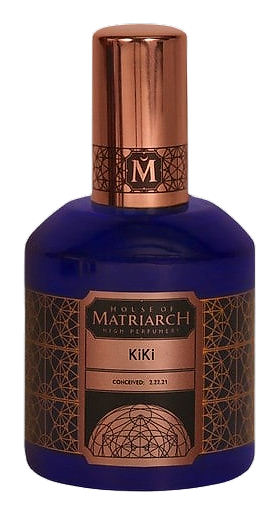
KiKi arrives, a year that still tastes like uncertainty. Christi Meshell, who has turned Pacific Northwest botanicals into wearable narratives, decides the moment calls for something that refuses to blend in. The fragrance is built from the ground up with materials that don't typically share a room: mushroom, violet, tea in three forms, star anise. Nothing polite. Nothing safe. The mushroom arrives first, earthy and damp, striking the nose with unexpected boldness. Parma violet follows close behind, its dusty sweetness carrying an almost retro character. Star anise enters as a whisper of black licorice, anchoring the two. Within the first hour, the tea layers take over, matcha green and bright at first, then oolong giving it body, finally black tea settling into something smoky and calm.
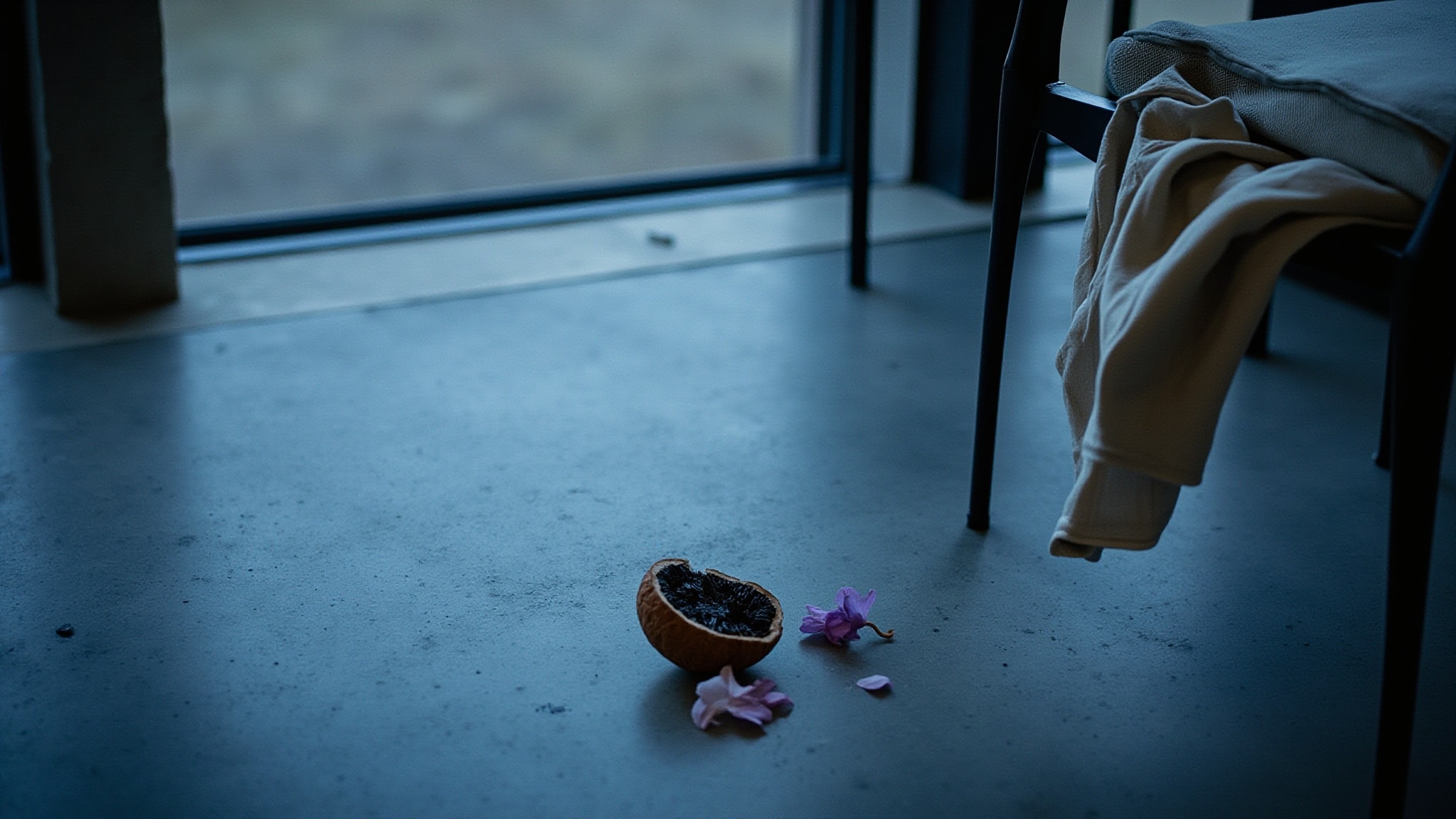
The real surprise is how the mushroom and violet coexist. Mushroom brings a fungal, almost savory depth, think forest floor after rain, the smell of things growing in the dark. Parma violet offers a powdery sweetness straight from a grandmother's vanity, all retro glamour and soft focus. Together they shouldn't work. They do, because the star anise and the layered teas create a structure that holds both without asking either to apologize. Irone, the molecule that gives orris and violet their characteristic orris butter quality, reinforces the floral without softening the earth. This is a composition that earns its contradictions.
The evolution
The opening hits strange and immediate. Mushroom isn't a supporting player here, it's the first thing your nose registers, earthy and damp and utterly unexpected. Parma violet follows close behind, adding a dusty sweetness that feels almost retro. The star anise arrives as a whisper of black licorice, anchoring the two. Within the first hour, the tea layers take over, matcha green and bright at first, then oolong giving it body, finally black tea settling into something smoky and calm. The rose petals barely register as rose. They're more like a rumor of flowers, keeping the mushroom honest. The drydown arrives: warm myrrh, creamy sandalwood, tonka sweetness that doesn't apologize for being sweet. The orris root lingers in the background, adding a powdery iris quality that clings to fabric long after the initial punch fades.
Cultural impact
KiKi divides. That's not a flaw, it's the design. The mushroom-violet combination is genuinely unusual, the kind of fragrance that sparks conversation precisely because it refuses to blend in. Wearers either find it hauntingly unique or simply too strange for daily wear. Both reactions are valid. The fragrance doesn't compromise to avoid them. Its bold character insists on being itself, unapologetically distinct in a landscape of safer choices.