Irone
Irone is the rare, precious molecule that gives iris its signature violet-like scent. Building slowly within rhizomes over years, this costly ingredient captures the essence of one of perfumery's most coveted florals.

Character
How it smells
The violet-scented molecule hidden in iris roots.
Tiemann and Krüger named this molecule 'irone' in 1893 after believing it was the sole source of violet fragrance. The name stuck even after that theory was revised.



Origin
Italy
The use of orris as a scented ingredient traces to Renaissance Europe, where Catherine de Medici popularized iris cultivation across France. Court perfumers prized the rhizomes for their elegant, powdery violet character long before chemists isolated the responsible compounds. By the late 19th century, organic synthesis shifted the industry toward manufactured alternatives like ionones.
Yet natural irone retained its prestige, remaining a marker of luxury in fine fragrances. Contemporary perfumers still seek authentic orris extracts for their complexity, understanding that no synthetic perfectly replicates the depth that six years of patient cultivation produces.
Wears it best
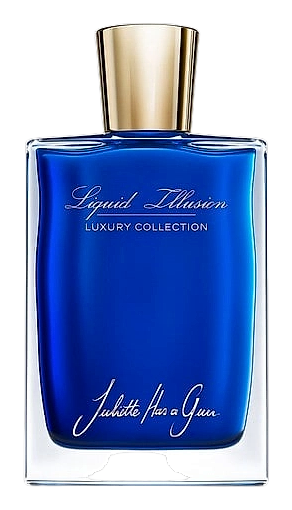
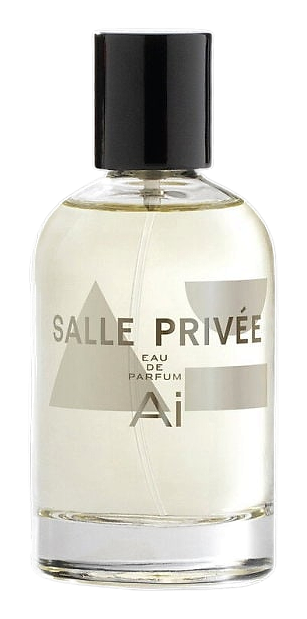
Fragrances featuring Irone
Brands
Brands known for Irone
Good to know
Questions, answered
The essentials on Irone in perfumery: how it smells, where it comes from, and how it behaves on skin.
What is irone in perfumery?
Irone is a natural aromatic molecule found in iris rhizomes, responsible for the signature violet-like scent of orris absolute. It belongs to the ionone chemical family and appears in four distinct variants in nature.
Why is irone so expensive?
Irone requires six years from planting to harvest, plus additional drying time for the rhizomes. The slow accumulation of the molecule within the roots and labor-intensive cultivation make natural irone one of the costliest ingredients in perfumery.
How does irone differ from ionone?
Ionone is a synthetic recreation of the violet-scented molecule family. Irone occurs naturally in iris, offering greater olfactory complexity and depth that synthetic versions cannot fully replicate.
What does irone smell like?
Irone carries a refined violet character with powdery, slightly woody undertones. Its scent is softer and more nuanced than synthetic violet notes, with a sophisticated elegance prized in high-end fragrances.
When was irone first discovered?
German chemists Tiemann and Krüger isolated the odoriferous principle in 1893, naming it irone based on their hypothesis that it solely created violet fragrance.
Which iris species contain irone?
Iris germanica, Iris florentina, and Iris pallida are the primary commercial sources. These cultivars are grown specifically for their aromatic rhizomes, with Italian and Moroccan productions considered finest.
Is irone used in modern fragrances?
Yes, high-end perfumes still feature natural orris extracts containing irone. Niche and luxury houses particularly value the ingredient for its authenticity and complexity in violet and powdery compositions.
What is orris butter?
Orris butter is the resinous extract from dried iris rhizomes, containing irone alongside other aromatic compounds. It forms the basis of orris absolute used in fine perfumery.




