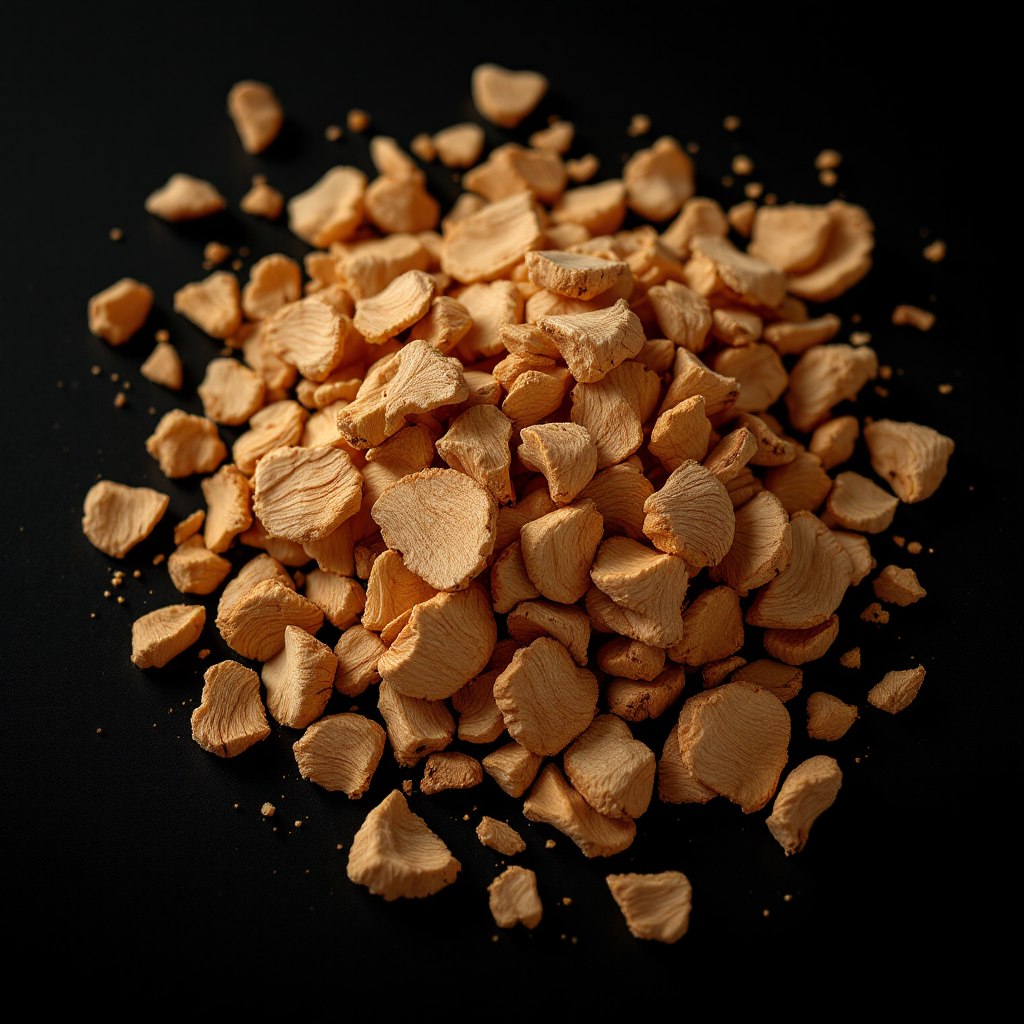
Beech Wood
A quietly commanding presence in fine fragrance, beech wood contributes a clean, subtly sweet woody character that grounds compositions with quiet authority. Its understated elegance makes it a valued material among perfumers seeking refined base notes.
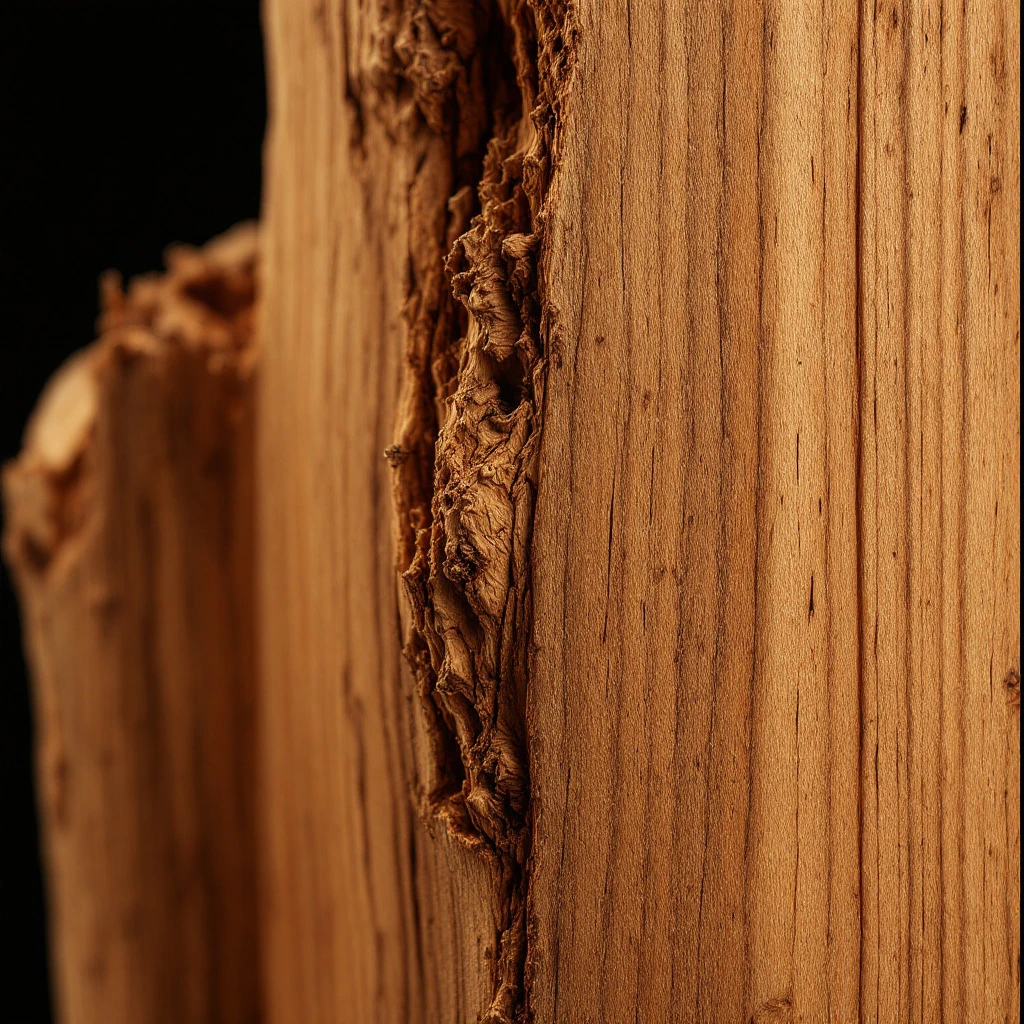
Character
How it smells
Refined European timber with quiet strength.
Beech trees can live for 300 years, and their wood darkens slightly with age, developing deeper aromatic qualities over decades of growth.


Origin
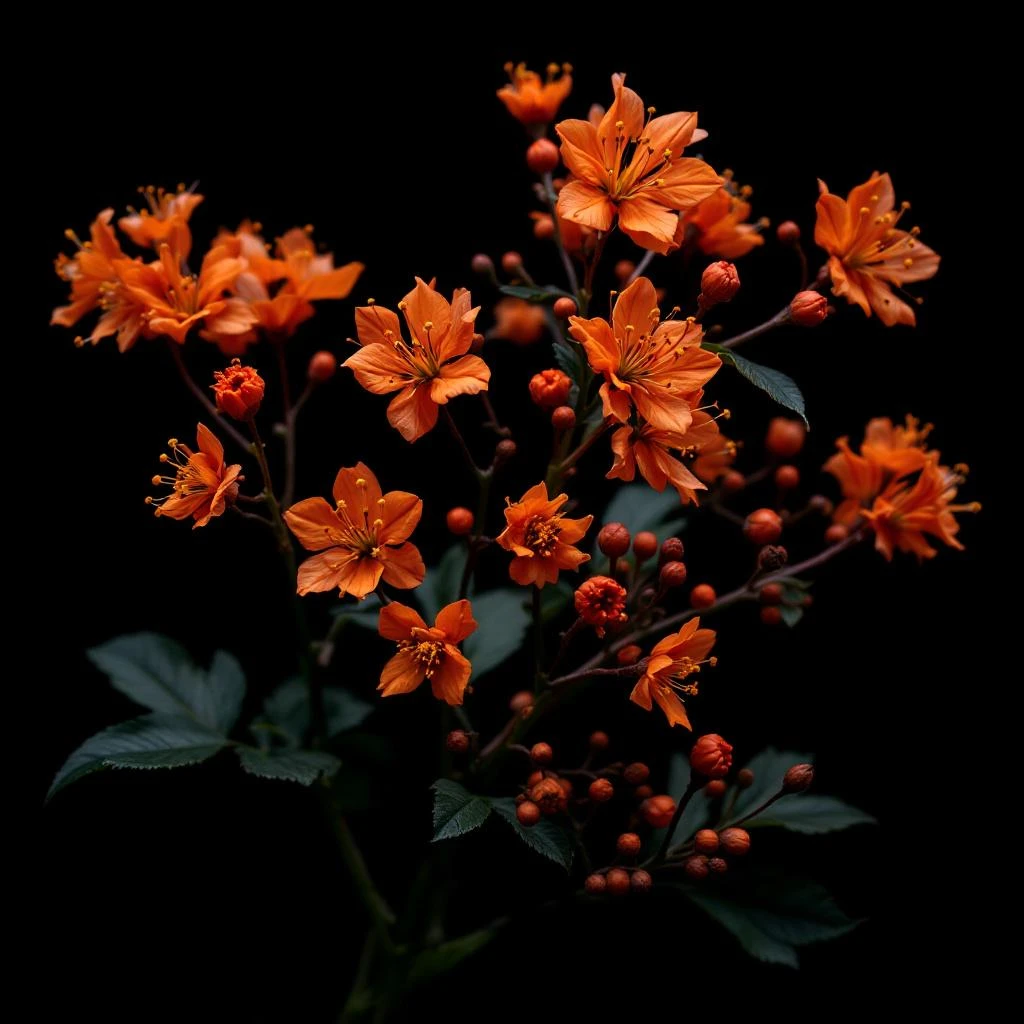
Germany
Beech (Fagus sylvatica) has been woven into European culture for millennia, valued for its durable timber and practical applications long before perfumery. The Romans used beech wood extensively for construction and fuel, while medieval craftspeople prized it for furniture and tools. Its aromatic use in perfumery emerged more recently as fragrance makers explored beyond traditional resinous woods.
European natural perfumers began incorporating beech in the early twentieth century as interest in local botanicals grew, positioning it as an indigenous alternative to imported exotic woods. Today, it remains a niche but respected material in naturalistic fragrance formulation.
Wears it best
Fragrances featuring Beech Wood
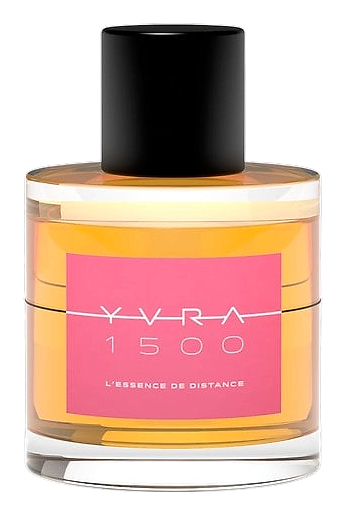
Brands
Brands known for Beech Wood
Good to know
Questions, answered
The essentials on Beech Wood in perfumery: how it smells, where it comes from, and how it behaves on skin.
What does beech wood smell like in perfume?
Beech wood has a clean, subtle woody aroma with slightly sweet undertones. It provides a refined base note that adds quiet depth without dominating a composition.
Is beech wood a common perfumery ingredient?
Beech wood remains relatively niche in perfumery compared to cedar, sandalwood, or oud. It appears primarily in natural and artisanal fragrances.
Which fragrances feature beech wood prominently?
Beech wood is most commonly found in European natural perfumery brands that emphasize indigenous botanicals, though specific formulations are rarely publicly disclosed.
How is beech wood extracted for fragrance use?
Steam distillation is the primary method, processing dried wood chips at controlled temperatures to capture aromatic compounds efficiently.
Where does beech wood used in perfumery originate?
European beech (Fagus sylvatica) grows across central Europe, with significant stands in Germany, France, and Poland serving as primary sourcing regions.
Can synthetic alternatives replace beech wood in fragrance?
Synthetics can approximate woody notes, but natural beech wood offers complex subtleties that artificial materials often cannot fully replicate.
Is beech wood sustainable as a fragrance ingredient?
Sustainable sourcing depends on supplier practices. Beech regenerates relatively quickly and is widely cultivated, making responsible sourcing feasible.
How does beech wood interact with other fragrance notes?
Beech wood serves as a grounding element that complements florals, citrus, and other woods without competing for attention, making it versatile in composition.