Leatherwood
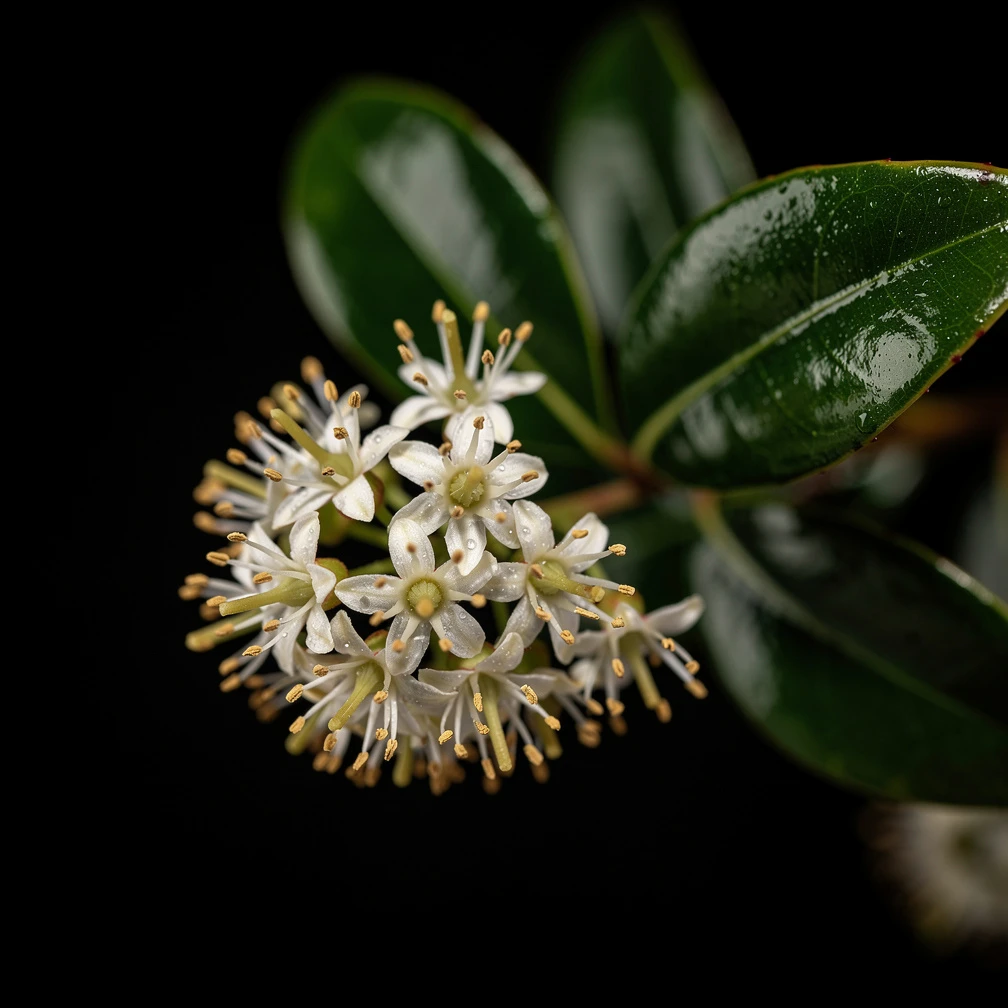
Leatherwood is a rare aromatic material derived from the fragrant flowers of Eucryphia lucida, a tree endemic to Tasmania's wet forests. In perfume, it delivers a wild, intensely sweet floral character with honeyed warmth and subtle forest floor depth. Its use remains uncommon and niche, valued by perfumers seeking distinctive botanical accents for base composition.
Character
How it smells
Ancient forests distilled into a single, haunting bloom.
Leatherwood honey accounts for roughly 70% of all honey produced in Tasmania, yet extracting the flower itself for perfumery remains largely unexplored territory.



Origin
Australia
French botanist Jacques Labillardiere first described Eucryphia lucida in 1799, collecting specimens from the forests of Van Diemen's Land, as Tasmania was then known. For over a century, local beekeepers have camped in the western Tasmanian wilderness to harvest leatherwood honey during the January flowering season. This honey, recognized by the international Slow Food movement's Ark of Taste, carries a distinctive spiced, perfumed character directly tied to the flower's aromatic profile.
While perfumers have long drawn inspiration from botanical extracts worldwide, leatherwood represents an almost untouched resource in fine fragrance. The disconnect between leatherwood's celebrated honey and its virtual absence from perfumery speaks to the ingredient's obscurity rather than any deficiency in its aromatic character.
Wears it best
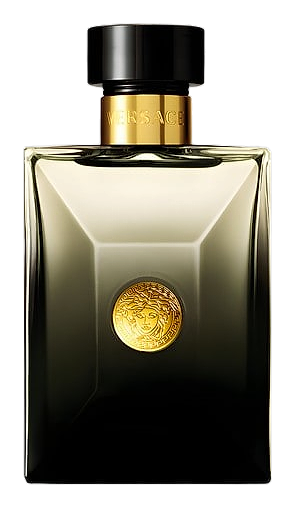
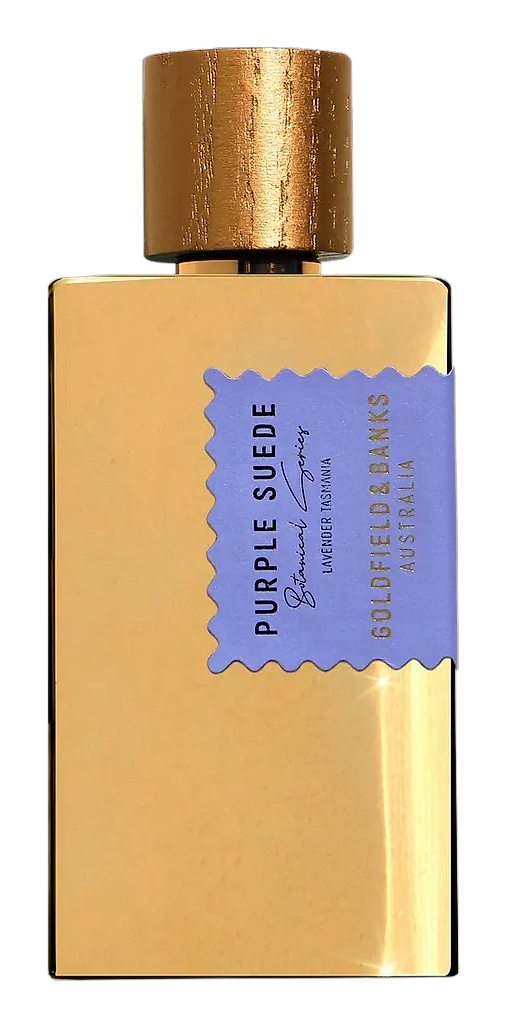
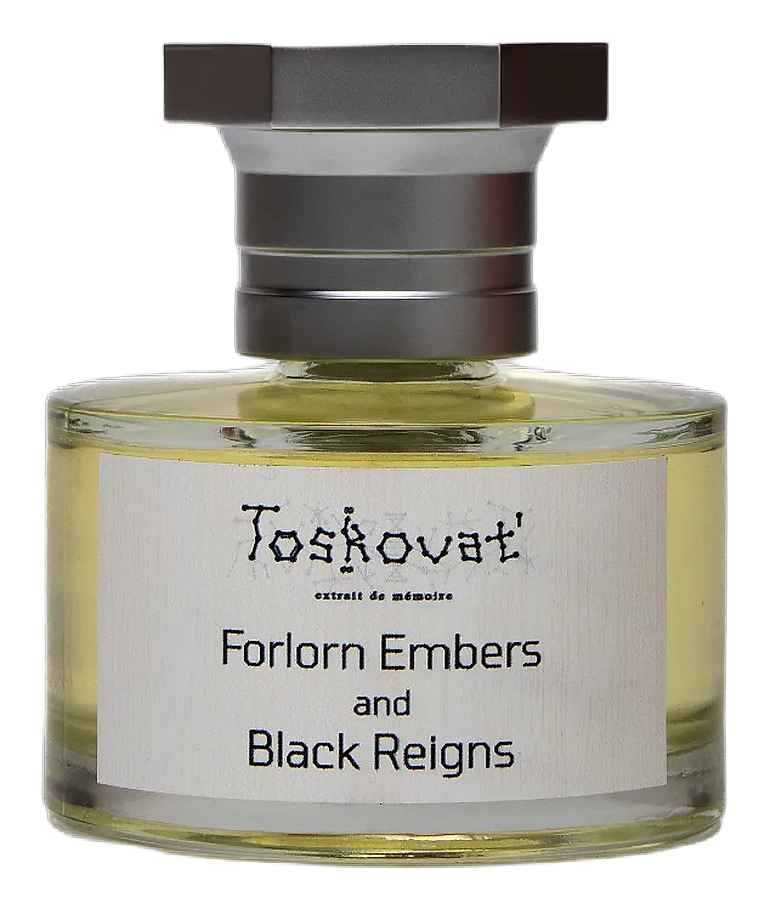
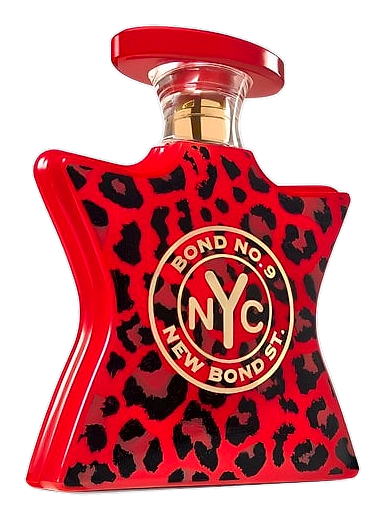
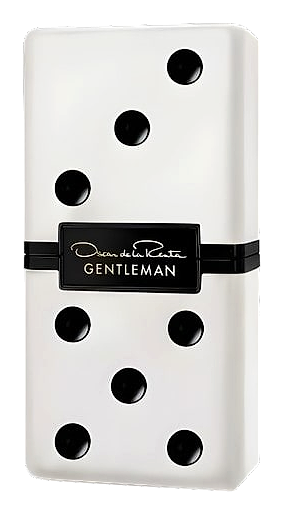
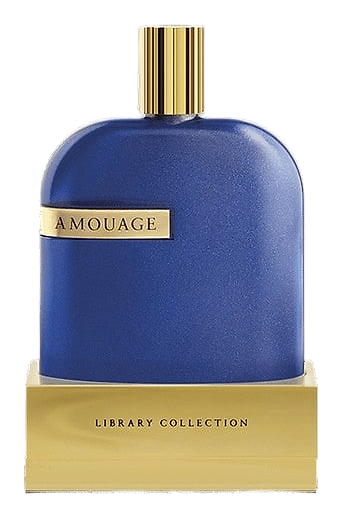
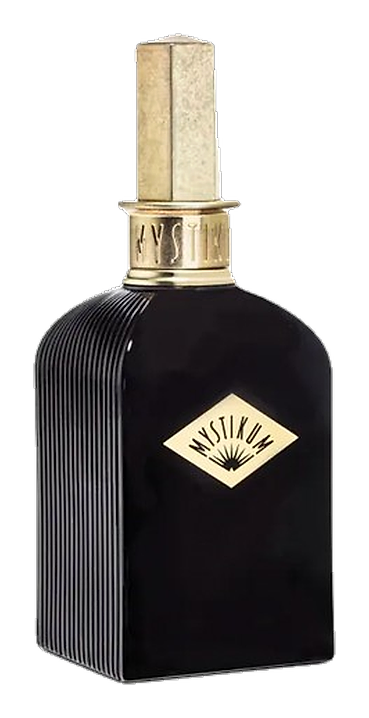
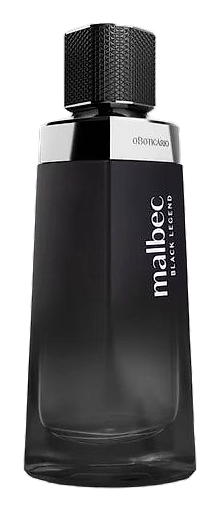
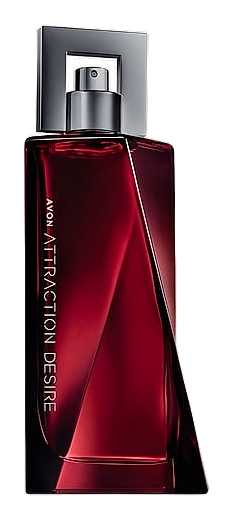
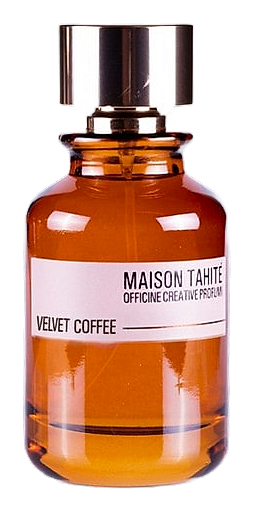
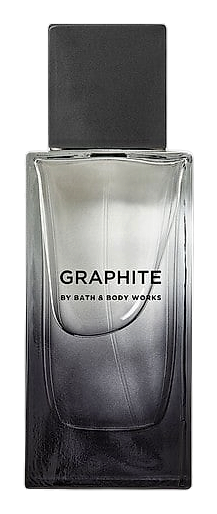
Fragrances featuring Leatherwood
Brands
Brands known for Leatherwood
Good to know
Questions, answered
The essentials on Leatherwood in perfumery: how it smells, where it comes from, and how it behaves on skin.
What does Leatherwood smell like in perfume?
Leatherwood delivers a wild, intensely sweet floral scent with honeyed warmth and forest floor undertones. The fragrance captures the characteristic perfume of the flower, which bees transfer into leatherwood honey, creating a base note profile described as spiced and persistently perfumed.
Why is Leatherwood used in perfumery?
Leatherwood offers a rare botanical profile that is both distinctly Australian and uncommon in fine fragrance. Its combination of sweet florality and earthy depth allows perfumers to introduce unique character to base compositions, particularly when seeking ingredients with regional authenticity and narrative distinction.
Is Leatherwood in perfume natural or synthetic?
Leatherwood as a named perfumery ingredient is natural. The flower originates from Eucryphia lucida, endemic to Tasmania. However, commercial availability remains extremely limited, and some fragrances may reference leatherwood through accord construction rather than direct botanical extraction.
What famous perfumes contain Leatherwood?
No widely distributed luxury or niche fragrances prominently feature leatherwood as a labeled ingredient. The material remains obscure in perfumery despite its celebrated honey counterpart, meaning reference in a fragrance formula typically signals artisanal or boutique production intentions.
Is Leatherwood a top note, heart note, or base note?
Leatherwood functions as a base note in fragrance construction. The material's dense, persistent character and association with honeyed undertones anchor compositions rather than introducing initial impression. Its forest floor depth provides lasting foundation for lighter top and heart elements.
What notes pair well with Leatherwood in perfume?
Leatherwood harmonizes with other woody materials such as sandalwood and cedar, which reinforce its forest origins. Honey and beeswax amplify its sweet character, while spices like cardamom introduce complementary warmth. Dark florals and earthy vetiver also extend leatherwood's grounding effect.
Where does Leatherwood come from?
Leatherwood originates from Eucryphia lucida, a tree species endemic to the wet forests of western Tasmania, Australia. The species thrives in high-rainfall zones receiving 1500 to 2500 millimetres annually, growing as an understorey plant in rainforests and sub-alpine shrubberies from near sea level to alpine elevations.
Is Leatherwood used in men's or women's fragrances?
Leatherwood possesses no inherent gender association and functions as a versatile base material. Its earthy, forest-like character suits masculine fragrance construction, while its sweet floral and honeyed qualities also integrate effectively into feminine compositions. Usage depends entirely on the perfumer's intent.