The Story
Why it exists.
The beginning
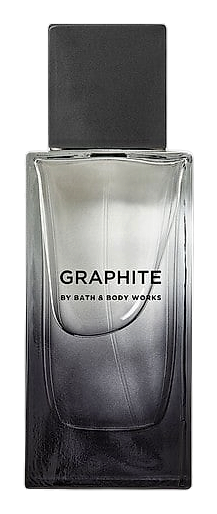
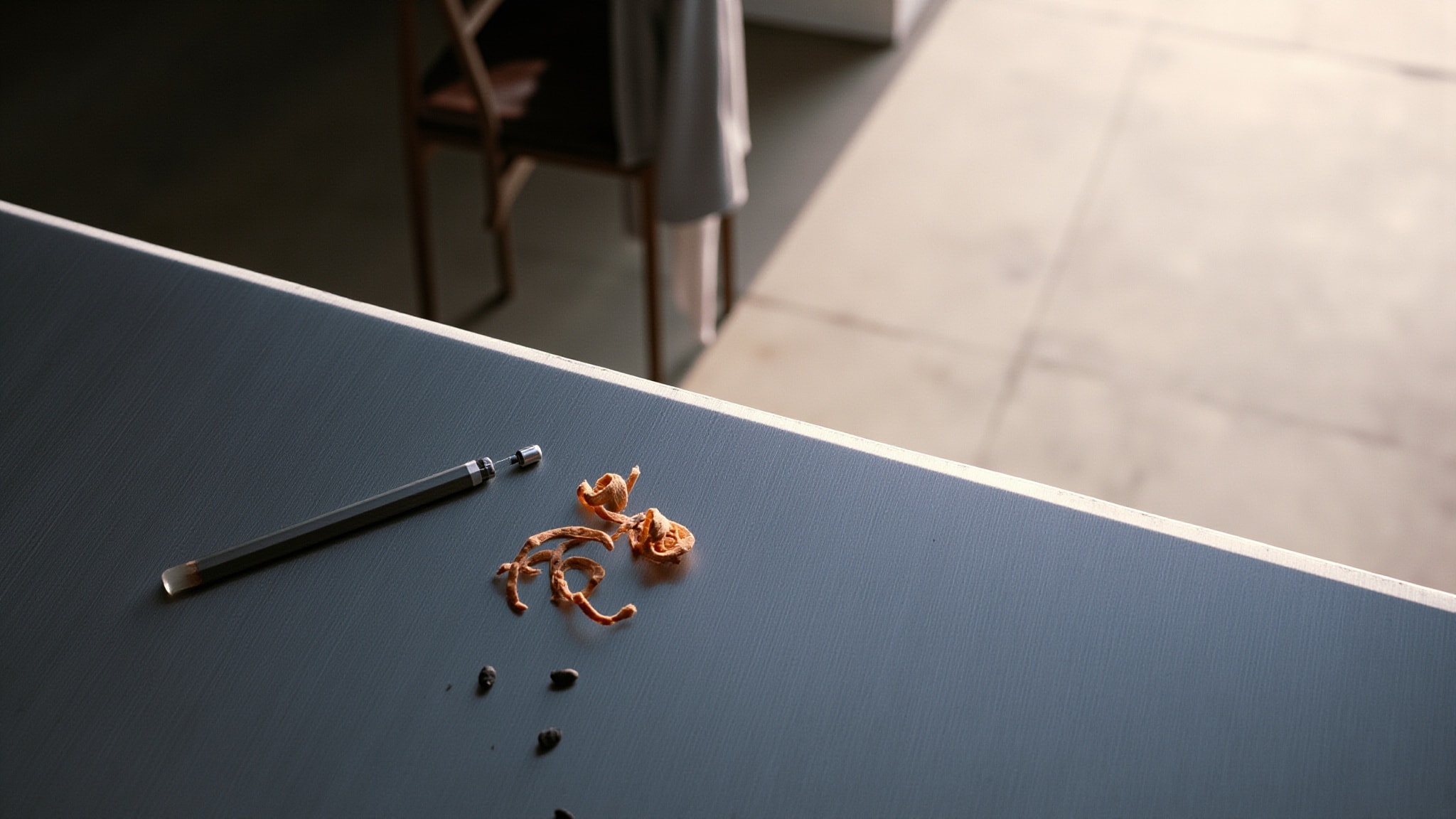
Nathalie Lorson built Graphite around a single material's contradiction: graphite is cool when untouched, warm against skin. The 2011 fragrance translates that duality, mineral sharpness opening, powdery warmth settling close. Cedar and violet leaf for the cool mineral top. Guaiac wood and ambergris for the warmth underneath. A fragrance that earns its name by doing exactly what the material does.
The mineral-powdery tension is unusual in male fragrances, which tend toward either woody-fresh or amber-warm. Graphite finds a middle path. Cedar leaves (the green, slightly dry top note of cedar rather than the wood itself) paired with violet leaf creates an opening that reads cool and almost metallic. The guaiac wood in the heart adds warmth and subtle smokiness. Benzoin and sandalwood in the base make the drydown powdery in the best sense, soft, clean, close to skin rather than projecting outward. Oakmoss bridges the mineral opening and powdery base, tying the arc together with a subtle earth note that prevents any disconnect between phases.
The evolution
First contact: violet leaf, cedar, a quick hit of black pepper. Clean and dry. The bergamot shows briefly before the mineral-ozonic quality takes over, that graphite coolness the name promises. Fifteen minutes in, the hand-off. Guaiac wood and ambergris warm everything up, leather adds body, and the composition reads powdery rather than fresh. Not sweet, warm. The kind of warmth you feel through a clean shirt. The drydown is where Graphite earns its name. Sandalwood and benzoin create a soft, powdery base that stays close. Frankincense adds a resinous whisper, oakmoss brings the mineral back as an undertone, and the scent becomes intimate, present only when you're paying attention. Six to eight hours, closer to skin than room.
Cultural impact
Graphite arrived in 2011 during a period when masculine fragrances were shifting away from the bold, aquatic excesses of the 2000s toward more refined, nuanced compositions. The fragrance house Montana, known for its earlier animalic powerhouse releases like Parfum de Peau, presented Graphite as a cooler, more restrained alternative. The mineral-powdery-woody-spicy profile positioned the scent as a bridge between traditional masculine fragrance expectations and emerging consumer appetite for sophistication. Graphite arrived alongside other industry shifts toward drier, more textured masculine scents, though it never achieved the mainstream recognition of competitors.